Area
Knee Surgeon for Patients in Al Sadd
Quick answer
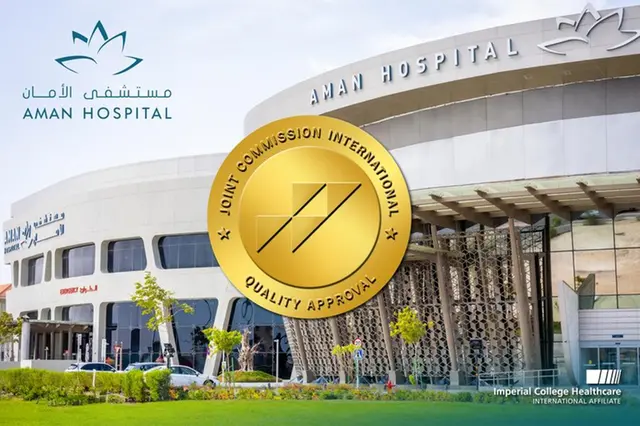
Al Sadd has a long football tradition, and twisting injuries to the ACL and meniscus are a common reason its residents look for a knee surgeon. Dr. Pablo Gelber sees them at Aman Hospital Doha, reached from Al Sadd by the Gold Line to Msheireb and then the Red Line, or east along the ring roads.
Getting to Aman Hospital from Al Sadd
Al Sadd sits in the west of central Doha, and Aman Hospital is in the Old Airport area on the south-eastern side of the city, on Airport Street. By car, the C Ring and D Ring roads both run from the Al Sadd side of the city round towards the Old Airport district, so most people join whichever is closer and follow it east.
By metro, Al Sadd station is on the Gold Line, with Bin Mahmoud and Joaan nearby. Ride the Gold Line east to Msheireb, change to the Red Line heading south, and get off at Al Matar Al Qadeem or Oqba Ibn Nafie. A short taxi or feeder bus completes the trip to the hospital.
Football, city living and the knee
Al Sadd Sports Club and Jassim bin Hamad Stadium give the district a strong football identity, and many residents play in club, school or five-a-side games across the city. Football asks the knee to cut, stop and land repeatedly, and that is how most ACL tears happen: a sudden change of direction, often without contact, a pop, and swelling within hours. The knee may then feel as if it shifts or gives way when turning.
The meniscus is often injured at the same time, or on its own when a player twists with the foot planted. Where the tear is suitable, repairing the meniscus rather than removing part of it helps protect the knee in the long term, which matters a great deal for young players.
Al Sadd is also a busy residential and commercial district with many apartment buildings and shopping streets, and not every knee problem here is a sports injury. Older residents may be dealing with arthritis on stairs and long walks, and people who stand all day at work may have pain at the front of the knee. The consultation starts with your knee and your goals, whether that is returning to a team or walking to the shops comfortably.
Booking and what to bring
Book on +974 4400 4400 or at qatar@drgelber.com. If a team physiotherapist or club doctor has already assessed the knee, their notes are helpful.
- Qatar ID or passport and insurance card
- MRI images and reports if you have had a scan
- The date and description of the injury, including whether the knee swelled quickly
- Your playing level and the season or tournament you are aiming for
- Shorts and trainers for examination
Al Sadd
About 10 km from Aman Hospital in a straight line
Aman Hospital, Building 412, Street 310 (Old Airport Road), Zone 47, Doha
+974 4400 4400Knee conditions and treatments
Conditions
- ACL Tear Treatment in Doha
- Meniscus Tear Treatment in Doha
- Knee Cartilage Damage Treatment in Doha
- Kneecap Dislocation and Patellar Instability in Doha
- Knee Arthritis Treatment in Doha
- PCL Tear: Symptoms and Treatment in Doha
- MCL Tear: Inner Knee Ligament Injury Treatment in Doha
- LCL and Posterolateral Corner Injury Treatment in Doha
- Knee Dislocation and Multi-Ligament Injury in Doha
- Meniscal Root Tear: Symptoms and Treatment in Doha
- Bucket-Handle Meniscus Tear and the Locked Knee
- Discoid Meniscus in Children and Adults
- Patellar Tendinopathy (Jumper's Knee) Treatment in Doha
- Quadriceps and Patellar Tendon Rupture Treatment in Doha
- Patellofemoral Pain (Runner's Knee) Treatment in Doha
- Chondromalacia Patella Treatment in Doha
- IT Band Syndrome Treatment in Doha
- Baker's Cyst: Lump and Swelling Behind the Knee
- Knee Bursitis: Swelling Over the Kneecap or Below the Knee
- Osgood–Schlatter Disease: Knee Pain in Growing Children
- Osteochondritis Dissecans (OCD) of the Knee
- Plica Syndrome: Snapping and Pain at the Inner Front of the Knee
- Tibial Plateau Fracture: Treatment and Recovery
- Kneecap (Patella) Fracture: Treatment and Recovery
- Pain at the Front of the Knee
- Pain on the Inside of the Knee
- Pain on the Outside of the Knee
- Pain Behind the Knee
- Knee Swelling
- Knee Locking and Catching: Why Does My Knee Get Stuck?
- Knee Giving Way: Why Does My Knee Buckle or Feel Loose?
- Knee Stiffness: Why Does My Knee Feel Stiff and Hard to Bend?
- Knee Clicking, Popping and Grinding
- Knee Pain: How to Tell What Is Causing It
- Knee Pain at Night: Why It Hurts in Bed and When to Worry
- Knee Pain in Children and Teenagers
- Gout and Pseudogout in the Knee: Sudden Hot, Swollen Knee
- Inflammatory Arthritis of the Knee: Rheumatoid, Psoriatic and Spondyloarthritis
- Knee Infection (Septic Arthritis): An Emergency
- Joint Hypermobility and the Knee: When Flexible Knees Hurt
- Bone Bruise in the Knee: What It Means on Your MRI
- Stress Fractures Around the Knee: Bone Pain That Builds With Training
- Loose Bodies in the Knee: When Something Moves Inside the Joint
- Knee Synovitis: When the Joint Lining Is Inflamed
- Fat Pad (Hoffa's) Impingement: Pain Below the Kneecap
- Popliteus Tendinopathy: Pain at the Outer Back of the Knee
- Knee Pain Coming From the Hip or Lower Back
- Stiffness After Knee Surgery (Arthrofibrosis)
Procedures
- ACL Reconstruction Surgery in Doha
- Revision ACL Surgery in Doha
- Meniscus Repair Surgery in Doha
- Knee Arthroscopy in Doha
- Cartilage Restoration Surgery in Doha
- Knee Replacement Surgery in Doha
- MPFL Reconstruction for Kneecap Dislocation in Doha
- PCL Reconstruction Surgery in Doha
- Multi-Ligament Knee Reconstruction in Doha
- Meniscal Root Repair Surgery in Doha
- High Tibial Osteotomy (Knee Realignment) in Doha
- Partial Knee Replacement in Doha
- Knee Injections in Doha: Steroid, Hyaluronic Acid and PRP
- Knee Physiotherapy and Rehabilitation in Doha
- Second Opinion on Knee Surgery in Doha
- ACL Repair: Ligament-Preserving Surgery for Selected Tears
- Tibial Tubercle Osteotomy (Kneecap Realignment) in Doha
- Revision Knee Replacement: When a Knee Replacement Needs Redoing
- Knee Braces, Sleeves and Supports: What Helps and What Doesn't
Frequently asked questions
My knee gave way while playing football. Does that mean an ACL tear?
It might. Giving way after a twist, especially with a pop and quick swelling, is a classic sign of an ACL tear, but kneecap dislocations and meniscus tears can feel similar. An examination and usually an MRI confirm what has happened.
When can I play football again after ACL reconstruction?
Return to competitive football is usually considered at around nine months or later, once strength, hop and agility tests are met, not just when a date passes. Returning too early raises the risk of another injury.
Should I get my meniscus repaired or trimmed?
It depends on the tear's type, location and your age. Repair is preferred when the tear can heal, because keeping the meniscus protects the cartilage. Some tears cannot be repaired, and a careful trim is then the option.
Related

