Procedures
Meniscus Repair Surgery in Doha
Quick answer
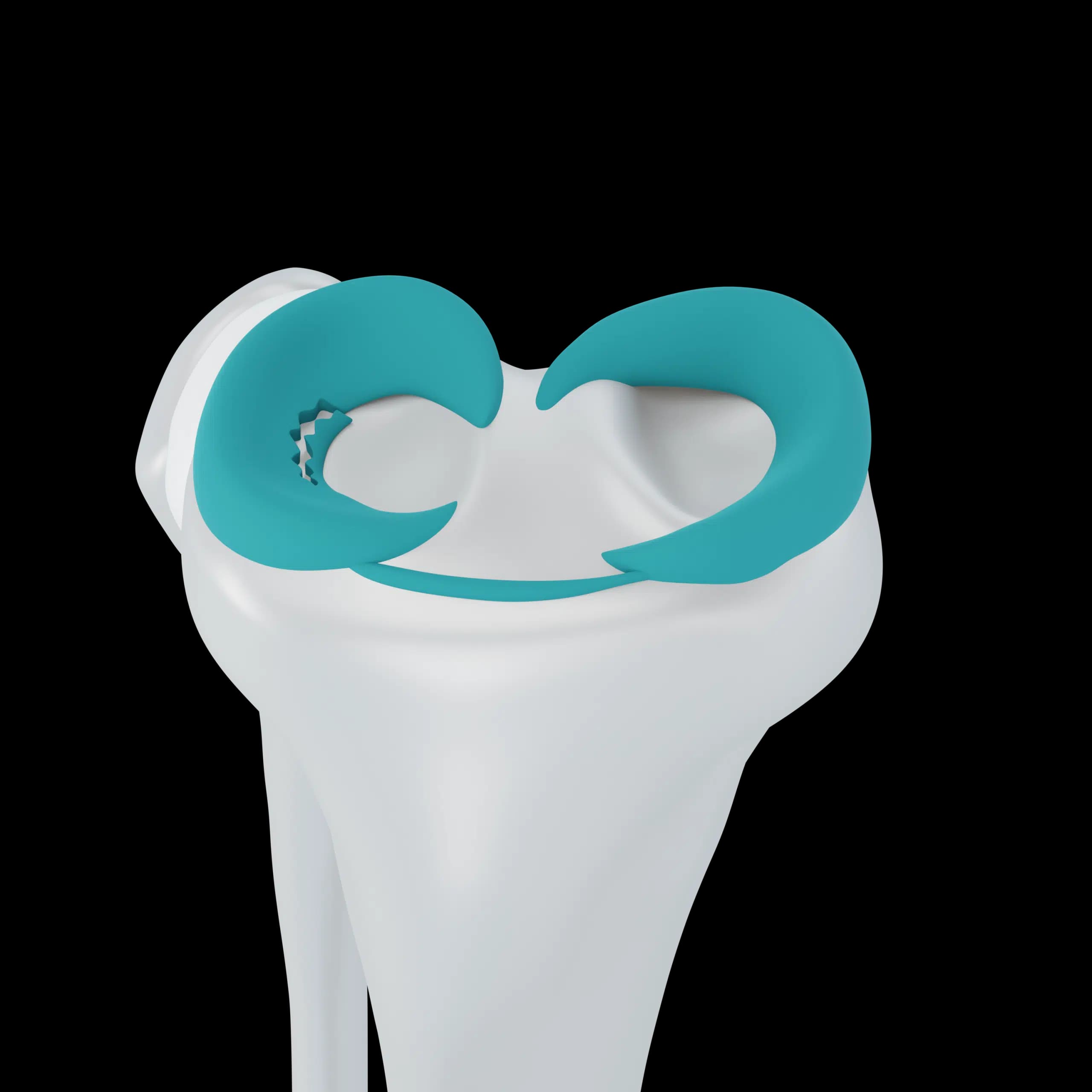
Meniscus repair is arthroscopic surgery that stitches a torn meniscus back together so it can heal, preserving the knee's natural shock absorber and lowering the long-term risk of arthritis. Dr. Pablo Gelber performs meniscus repair, including root and bucket-handle repairs, at Aman Hospital in Doha.
Who meniscus repair is for
Meniscus repair is most suitable for tears that have a good chance of healing: tears near the outer edge of the meniscus, where the blood supply is better, tears in younger and active patients, and tears that occur together with an ACL injury. Root tears, where the meniscus detaches from the bone, and bucket-handle tears, which can lock the knee, are also often repaired.
Degenerative tears in older knees, especially when arthritis is present, usually do not heal well with stitches. These are often managed with physiotherapy first, and Dr. Gelber explains which approach fits your tear.
How the repair is done
Meniscus repair is performed arthroscopically through small incisions, usually under general or spinal anaesthesia. The edges of the tear are prepared to encourage healing, and then the meniscus is stitched using one of several techniques:
- All-inside repair, using small devices placed entirely through the arthroscopy incisions
- Inside-out or outside-in repair, with stitches tied through a small extra incision on the side of the knee
- Root repair, in which the torn root is reattached to the bone through a small tunnel
The technique depends on the location and pattern of the tear. If an ACL reconstruction is needed, both are usually done in the same operation.
Repair versus meniscectomy
A partial meniscectomy (trimming) gives faster short-term recovery, but losing meniscus tissue increases the load on the cartilage. When a tear is repairable, repair protects the knee better over the long term.
The day of surgery at Aman Hospital
You will be asked to fast for several hours beforehand and will meet the anaesthetist and surgical team on admission. Most patients go home the same day or the following morning, with crutches, a knee brace when needed and a home exercise plan from the physiotherapist.
Recovery
- Crutches and a brace with protected weight-bearing for several weeks
- Avoiding deep squatting for about three months
- Return to sport typically at four to six months
Recovery is slower than after a meniscectomy because the stitched tissue needs time to heal. Office work is usually possible after one to two weeks, while physical jobs may need longer. Physiotherapy progresses from movement and muscle activation to strength, balance and sport-specific training.
Risks
Meniscus repair is a well-established procedure. The main specific risk is that the repaired tissue does not heal fully, which may cause symptoms to return and sometimes needs a second arthroscopy. Other uncommon risks include stiffness, infection, blood clots and irritation of a skin nerve near the incisions. Following the weight-bearing and squatting restrictions helps the repair heal.
Preparing for surgery in Doha
- Bring your MRI images and report; the tear pattern seen on MRI helps plan the repair
- Insurance pre-approval may be needed, so check with your insurer
- Practise walking with crutches and arrange help at home for the first week
- Plan time away from sport and heavy work for several months
Frequently asked questions
Can every meniscus tear be repaired?
No. Whether a tear can be repaired depends on its location, pattern, the quality of the tissue and your age. Sometimes the final decision is made during the arthroscopy, once the tear can be seen directly.
Why is recovery longer after meniscus repair than after trimming?
Trimming removes the torn part, so the knee only needs to settle. A repair needs the meniscus to heal, which takes time and requires protecting the knee from deep bending and heavy loads for several months.
When can I return to sport after meniscus repair?
Usually at around four to six months, once the knee has full movement, good strength and no swelling. Recovery may take longer if the repair was combined with an ACL reconstruction.
Will I need a knee brace after meniscus repair?
Often, yes. A hinged brace is commonly used for the first weeks to limit bending and protect the stitches while the meniscus heals. How long you wear it, and how much weight you can put on the leg, depends on the type of tear and repair.
Related