Article· 5 min read
Meniscus Repair vs Removal: Why Saving the Meniscus Matters
 Dr. Pablo GelberOrthopaedic Knee Surgeon
Quick answer
Whenever a meniscus tear is suitable, Dr. Pablo Gelber, a knee surgeon in Doha, aims to repair rather than remove it, because the meniscus shares load across the knee and losing it increases the long-term risk of arthritis. Repair needs a longer recovery; partial meniscectomy suits some tears, and degenerative tears often start with physiotherapy.
What the meniscus does
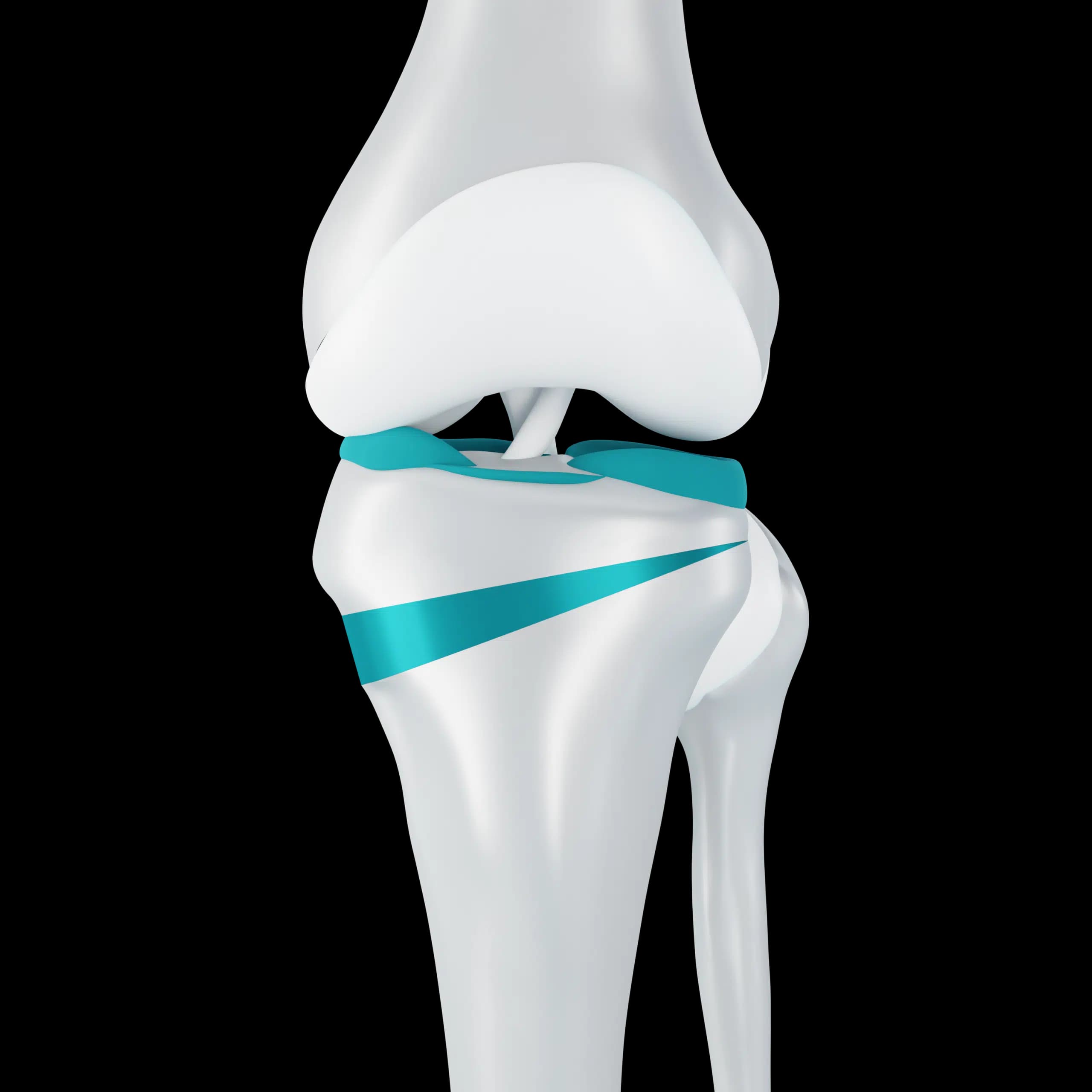
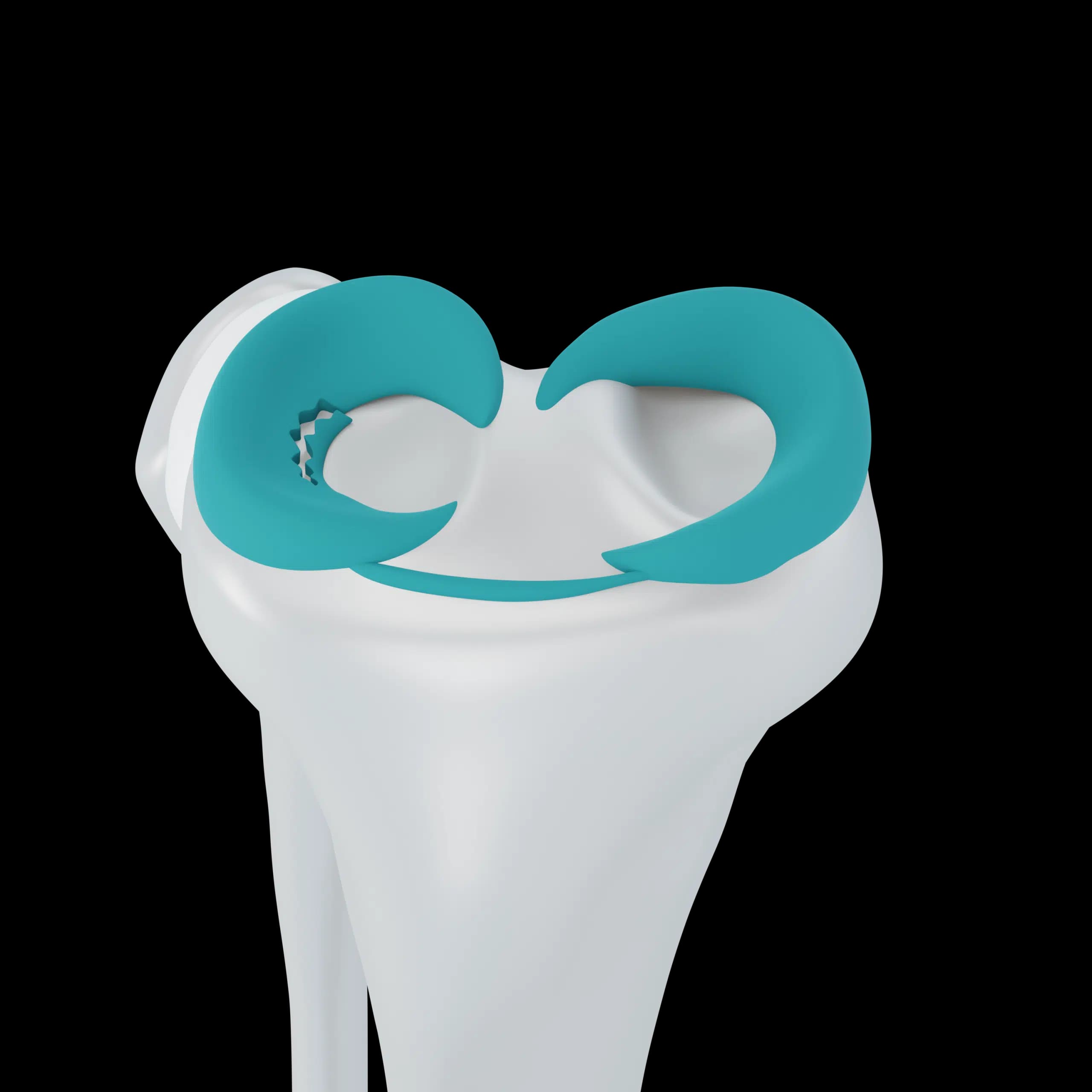
Each knee has two menisci, C-shaped pads of tough cartilage sitting between the thigh bone and the shin bone: one on the inner side (medial) and one on the outer side (lateral). They act as shock absorbers and spread body weight over a wider area of the joint surface.
The menisci also add stability to the knee and help protect the smooth articular cartilage that covers the ends of the bones. Because they carry a large share of the load passing through the knee with every step, run or jump, even partial loss of meniscus tissue changes how forces are distributed across the joint.
Why removing the meniscus has long-term costs
For many years, torn menisci were often removed, because removal relieves symptoms quickly and recovery is short. Long-term follow-up studies have since shown that knees which lose a significant portion of meniscus are more likely to develop osteoarthritis over the following years. The more tissue removed, and the younger and more active the patient, the greater the concern.
This is why modern orthopaedic practice favours meniscus preservation whenever a tear has a realistic chance of healing. When removal is necessary, surgeons aim to take out only the unstable, torn portion and keep as much healthy meniscus as possible.
Which tears can be repaired
Not every tear can be repaired. The meniscus has a limited blood supply, mainly in its outer rim, and healing depends on blood reaching the repaired tissue. Tears that are more likely to be repairable include:
- Tears in the outer, better-vascularised zone of the meniscus
- Longitudinal or vertical tears in otherwise healthy tissue
- Recent tears from a sports injury, especially in younger patients
- Tears that occur together with an ACL injury, where the meniscus can be repaired during ACL reconstruction
- Root tears, where the meniscus detaches from its attachment to the bone, which can significantly affect knee function
Complex, frayed or degenerative tears in the inner part of the meniscus are less likely to heal. The final decision is often made during arthroscopy, when the surgeon can see and probe the tear directly.
How recovery differs
Recovery after meniscus repair is longer, because the repaired tissue needs time to heal before it is fully loaded.
- After meniscus repair: a period of protected weight-bearing and limits on deep bending is usually needed, often with a brace. Physiotherapy builds strength and movement step by step. Return to sport commonly takes around four to six months, depending on the tear and on whether other procedures were performed.
- After partial meniscectomy: most patients walk without crutches within days and return to daily activities within a few weeks. Return to sport is often possible within six to eight weeks once swelling has settled and strength has returned.
The longer recovery after repair is a trade-off many active patients accept in order to protect the knee for the future. Dr. Pablo Gelber discusses this balance with each patient at Aman Hospital in Doha.
When partial meniscectomy is still appropriate
Partial meniscectomy remains a useful procedure in the right situation. It may be appropriate when a tear cannot heal, for example a complex or degenerative tear in the inner zone, or when a loose flap of meniscus is causing mechanical symptoms such as locking or catching. In these cases, carefully trimming the unstable fragment can relieve symptoms while keeping the stable rim intact.
Degenerative tears: physiotherapy often comes first
In people over about 40, meniscus tears frequently develop gradually as part of age-related wear, sometimes alongside early arthritis. These degenerative tears are common on MRI, even in people without symptoms.
For degenerative tears without true locking, guidelines generally recommend a structured physiotherapy and exercise programme first, often with activity modification and pain relief. Studies have shown that many patients improve as much with exercise therapy as with arthroscopic surgery. Surgery may be considered if symptoms persist despite a good trial of treatment or if mechanical symptoms develop. As always, the recommendation depends on an individual examination and imaging.
Frequently asked questions
Is meniscus repair better than removal?
When a tear is suitable for repair, preserving the meniscus is generally preferred because it protects the joint over the long term. Not all tears can heal, however, and in some cases removing only the damaged portion is the more appropriate option.
Can a torn meniscus heal without surgery?
Small tears in the outer, well-vascularised zone can sometimes heal or become symptom-free, and many degenerative tears settle with physiotherapy. Larger tears causing locking or instability usually need assessment for surgery.
Will I get arthritis after a meniscectomy?
Not everyone does, but losing meniscus tissue increases the long-term risk, particularly when a large portion is removed. Keeping a healthy weight, maintaining leg strength and staying active help protect the knee.
How will I know if my tear can be repaired?
An examination and MRI give a good indication of the tear type and location. The final decision is often confirmed during arthroscopy, so your surgeon should discuss both possibilities with you before the operation.
Related