Conditions
Knee Cartilage Damage Treatment in Doha
Quick answer
Knee cartilage damage is an injury to the smooth surface that lines the ends of the bones, causing pain, swelling and sometimes catching. In Doha, Dr. Pablo Gelber assesses cartilage defects with MRI and treats them with rehabilitation, injections or cartilage restoration surgery, depending on the size and location of the defect.
What is knee cartilage damage?
Articular cartilage is the smooth, white tissue that covers the ends of the thigh bone and shin bone and the back of the kneecap, allowing the joint to glide with low friction. It has no blood supply, so it has very limited ability to repair itself once damaged.
Damage can be a focal defect, a localised area of loss in an otherwise healthy joint, or an osteochondral lesion where the bone beneath is also involved, as in osteochondritis dissecans. Widespread wear across the joint is osteoarthritis, which is managed differently.
Symptoms
- Aching pain, often with impact, stairs or squatting
- Swelling after activity
- Catching, clicking or locking if a loose fragment is present
- Pain at the front of the knee when the cartilage behind the kneecap is affected
Causes and who gets it
Cartilage injuries often happen with the same twisting injuries that tear the ACL or meniscus, or during a kneecap dislocation. A direct blow, repeated impact or long-standing instability can also damage the surface. Osteochondritis dissecans affects adolescents and young adults, often those who are active in sport.
In Doha, cartilage problems are seen in footballers, padel players and runners, and in people carrying extra body weight, which increases the load on the joint. Leg alignment, such as bow legs, can overload one side of the knee.
Diagnosis
Cartilage does not show on a standard X-ray, so an MRI scan is the main test for assessing the size, depth and location of a defect and for checking the meniscus, ligaments and bone. Standing X-rays show alignment and whether there is wider arthritis. Sometimes the full extent of the damage is only confirmed at arthroscopy.
Treatment options
- Physiotherapy and load management
- Injections for symptom relief
- Microfracture and augmented techniques for small defects
- Osteochondral grafting and cell-based techniques for larger defects
- Correcting alignment (osteotomy) when an overloaded compartment caused the damage
The choice depends on the size and depth of the defect, your age and activity level, and whether the knee is stable and well aligned. Small defects that cause few symptoms are often managed without surgery. Any associated problem, such as an ACL tear, meniscus loss or kneecap instability, usually needs treating at the same time so the restored cartilage is protected.
Recovery and outlook
Cartilage restoration surgery has a long recovery because new tissue matures slowly. Patients often use crutches with limited weight-bearing for around six weeks, and return to impact sport is usually considered from around 6 to 12 months, depending on the technique and the location of the defect.
Outcomes are generally more favourable in younger patients with a single defect in a stable, well-aligned knee. Larger defects that are left untreated can enlarge over time and may contribute to earlier osteoarthritis.
When to see a knee specialist in Doha
- Knee pain and swelling keep returning after activity
- The knee catches or locks, which may mean a loose fragment
- A teenager has persistent knee pain with sport
- The knee has not settled after a kneecap dislocation or twisting injury
Dr. Gelber reviews cartilage injuries at Aman Hospital in Doha and explains which options suit the size and location of the defect.
Frequently asked questions
Can knee cartilage grow back?
Cartilage has very limited ability to heal on its own. Restoration procedures aim to fill a defect with repair tissue or transplanted cartilage, which can reduce symptoms and protect the joint, but the new tissue is not identical to the original.
Do injections repair cartilage?
Injections such as corticosteroid, hyaluronic acid or platelet-rich plasma may ease pain and swelling, but they do not rebuild a cartilage defect. They are used for symptom relief, often alongside physiotherapy.
Is cartilage damage the same as arthritis?
Not exactly. A focal cartilage defect is a localised injury in an otherwise healthy joint, while osteoarthritis is more widespread wear. Untreated defects can, however, progress towards arthritis over time.
Related
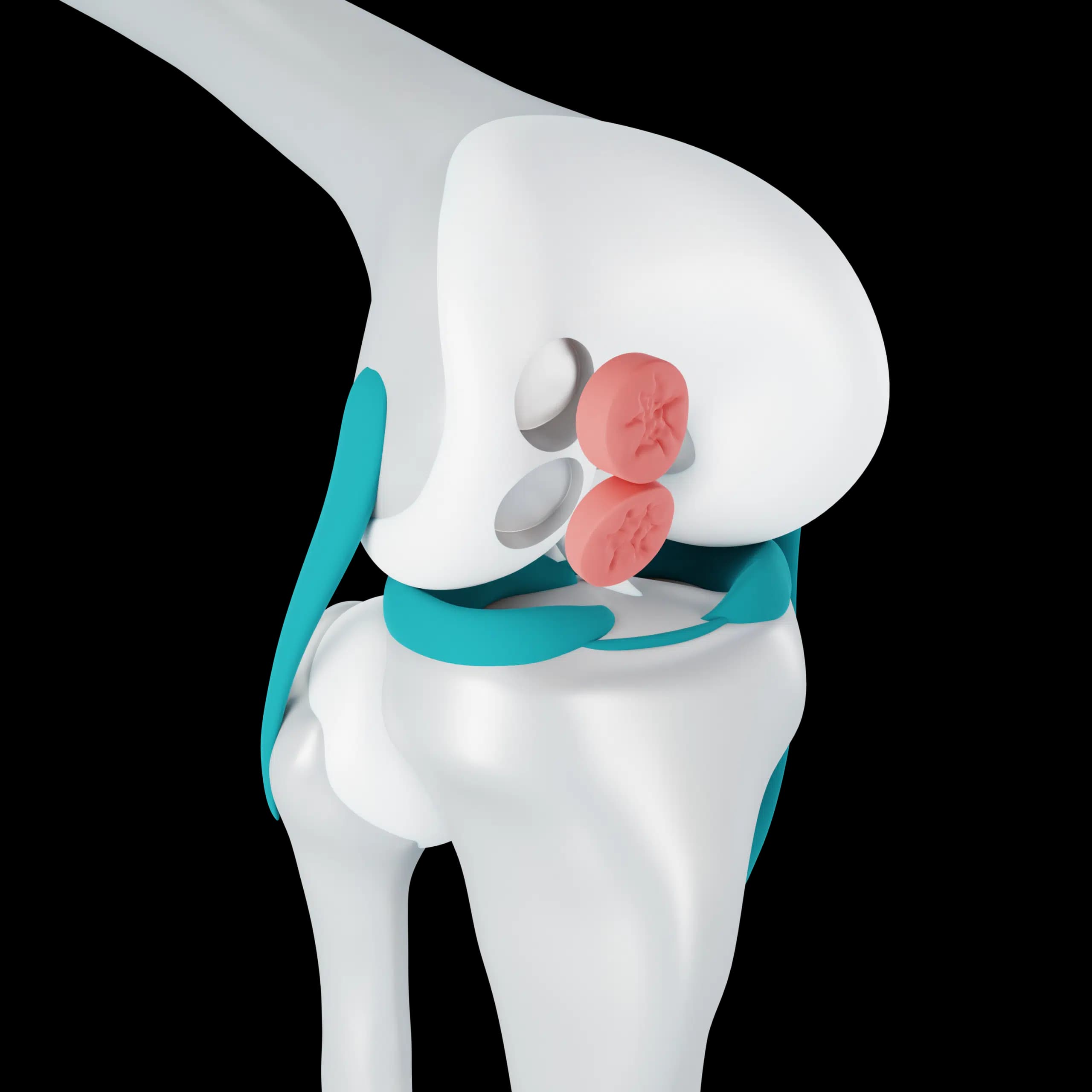 ProceduresCartilage Restoration Surgery in Doha
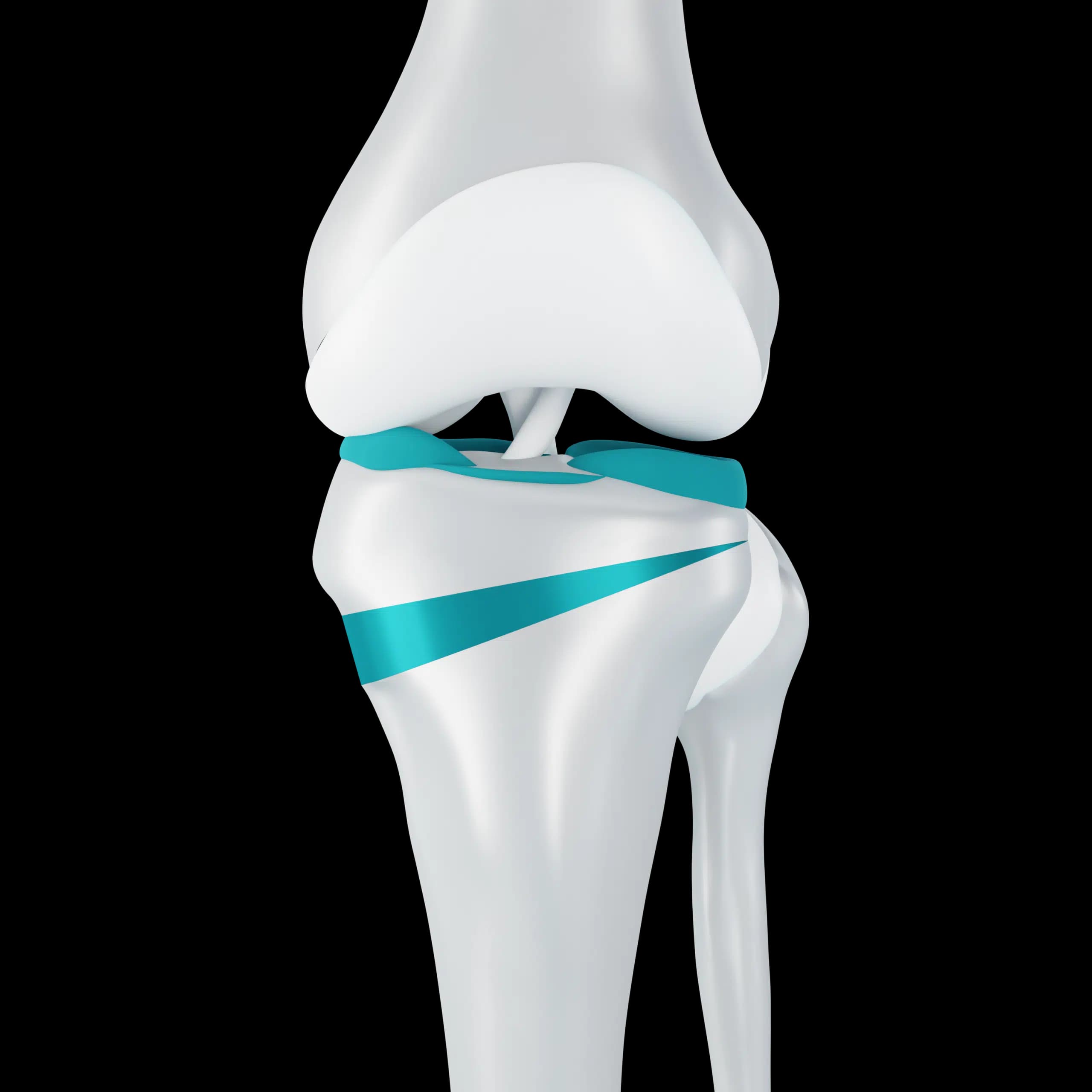 ConditionsKnee Arthritis Treatment in Doha
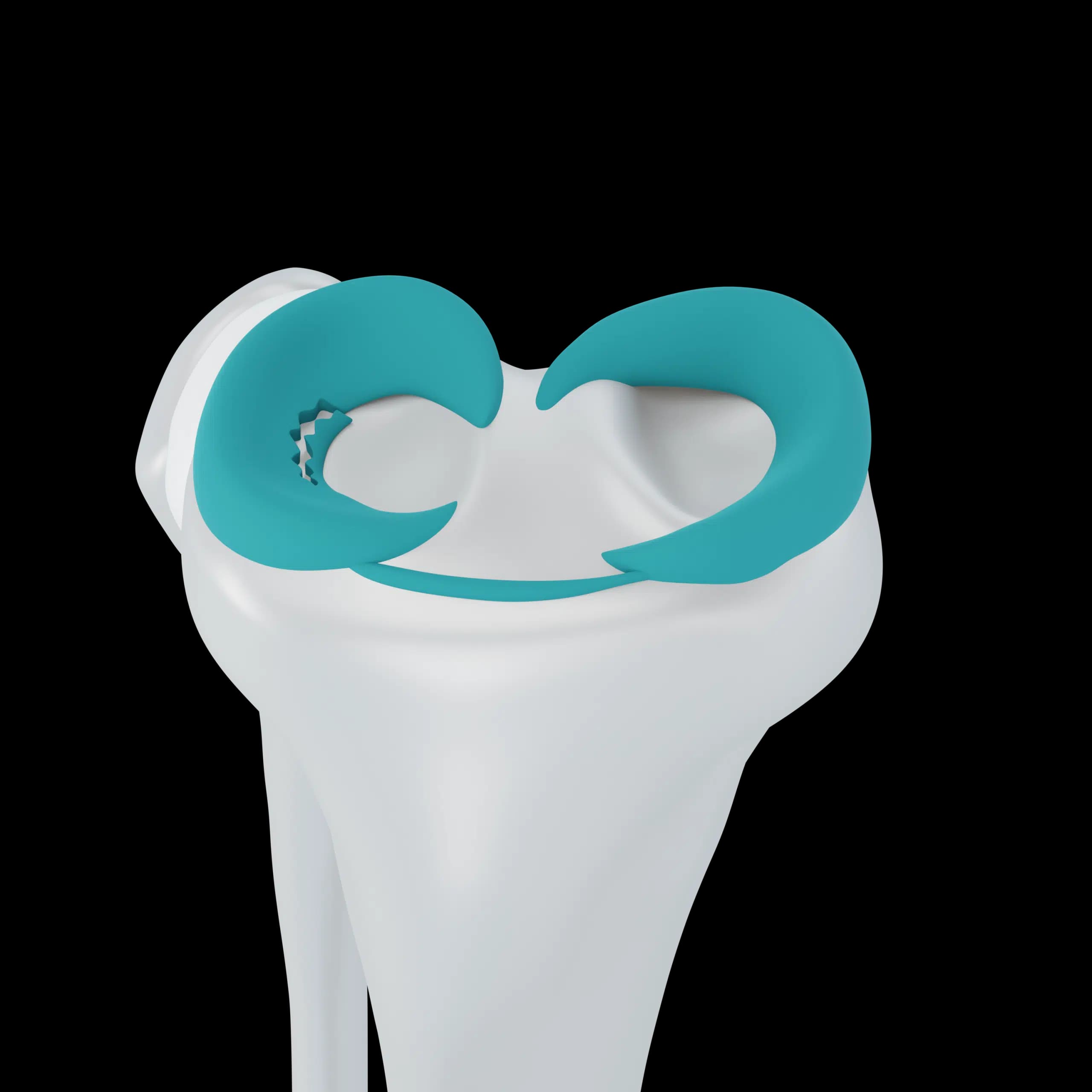 ProceduresKnee Arthroscopy in Doha
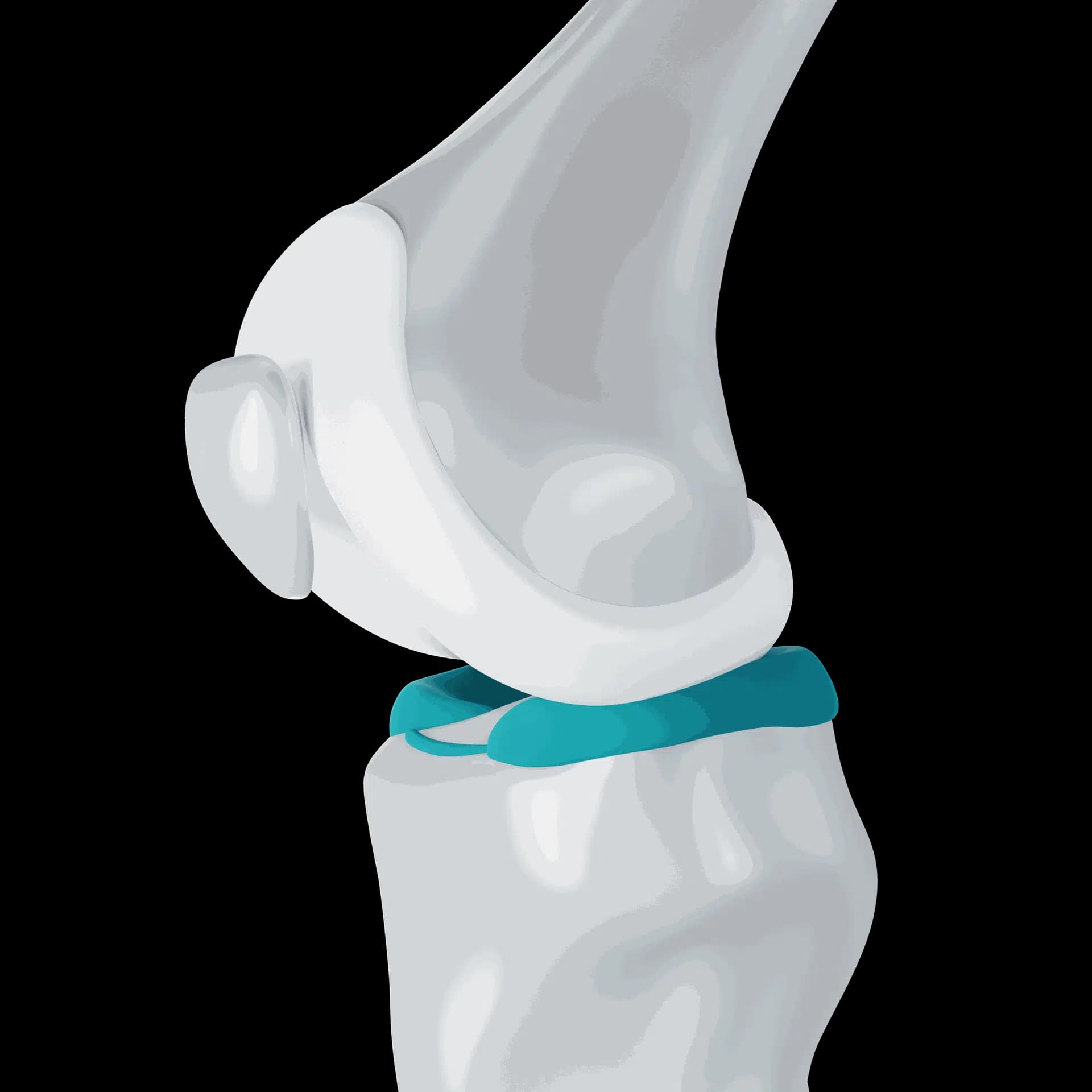 ConditionsKneecap Dislocation and Patellar Instability in Doha
 ArticleKnee Pain: When Do You Need an MRI?
- ArticleRunning Knee Pain in Doha's Heat: Runner's Knee, IT Band and Safe Training