Article· 4 min read
Running Knee Pain in Doha's Heat: Runner's Knee, IT Band and Safe Training
 Dr. Pablo GelberOrthopaedic Knee Surgeon
Quick answer
Most running knee pain is caused by patellofemoral pain (runner's knee) or iliotibial band syndrome, usually from increasing distance too quickly. Dr. Pablo Gelber, a knee surgeon in Doha, recommends gradual load increases, strength work and running early or indoors in Qatar's heat, and assessment if pain persists, swells or causes limping.
Why runners in Qatar develop knee pain
Running is popular in Qatar, from the Corniche and Aspire Park to Doha's growing number of community races and indoor tracks. Most running knee pain is not caused by a single injury but by load: the knee is asked to do more than it has been prepared for.
Common triggers include increasing weekly distance too quickly, adding hill or speed sessions all at once, returning to full training after a summer break or after Ramadan, and running in worn shoes. Weakness in the hip and thigh muscles also changes how the knee tracks and absorbs impact. In many runners, correcting these factors is enough to settle the pain without surgery.
Runner's knee (patellofemoral pain)
Patellofemoral pain is felt around or behind the kneecap. It is usually a dull ache that gets worse when running downhill, climbing or descending stairs, squatting, or sitting for a long time with the knee bent.
It is an overload condition of the joint between the kneecap and the thigh bone, rather than damage you can see on a scan. Treatment usually focuses on reducing running volume for a period, then strengthening the quadriceps, hip and core muscles before building back up. Most runners improve with a structured physiotherapy programme, although recovery can take several weeks to a few months.
Iliotibial band (IT band) syndrome
IT band syndrome causes sharp or burning pain on the outer side of the knee. It typically starts at a predictable point in a run, for example after a certain distance, and may force you to stop. Pain is often worse running downhill or on cambered roads.
The IT band is a thick band of tissue running down the outside of the thigh. Irritation where it passes the outer knee is linked to repetitive bending and straightening under load, sudden increases in mileage and weak hip muscles. Treatment is usually conservative: relative rest, hip strengthening, adjusting training and, in some cases, a review of running technique and footwear.
Training safely in Doha's heat and humidity
Heat and humidity add stress to the whole body. As you tire, running form often deteriorates, which increases load on the knees. Planning around the climate helps protect both your general health and your joints.
- Run early in the morning or after sunset during the hotter months, when temperatures and sun exposure are lower
- Use indoor tracks, air-conditioned gyms or treadmills when the heat is extreme
- Drink water before, during and after runs, and replace salts on longer or sweatier sessions
- Allow around two weeks to acclimatise when returning from a cooler country or after a break
- Increase weekly distance gradually and include easier weeks so tissues can adapt
- Add strength training for the hips, thighs and calves two or three times a week
- Replace running shoes when the cushioning is worn and choose surfaces that suit your training
- Stop and seek help if you feel dizzy, confused or stop sweating, as these can be signs of heat illness
When knee pain needs assessment
Mild aching that settles with a few days of reduced running is common. Some symptoms, however, suggest a problem beyond simple overload and should be examined by a specialist:
- Swelling of the knee, especially after a run or a twist
- Locking, catching or the knee giving way
- Pain that continues despite several weeks of rest and adjusted training
- Pain at night or at rest
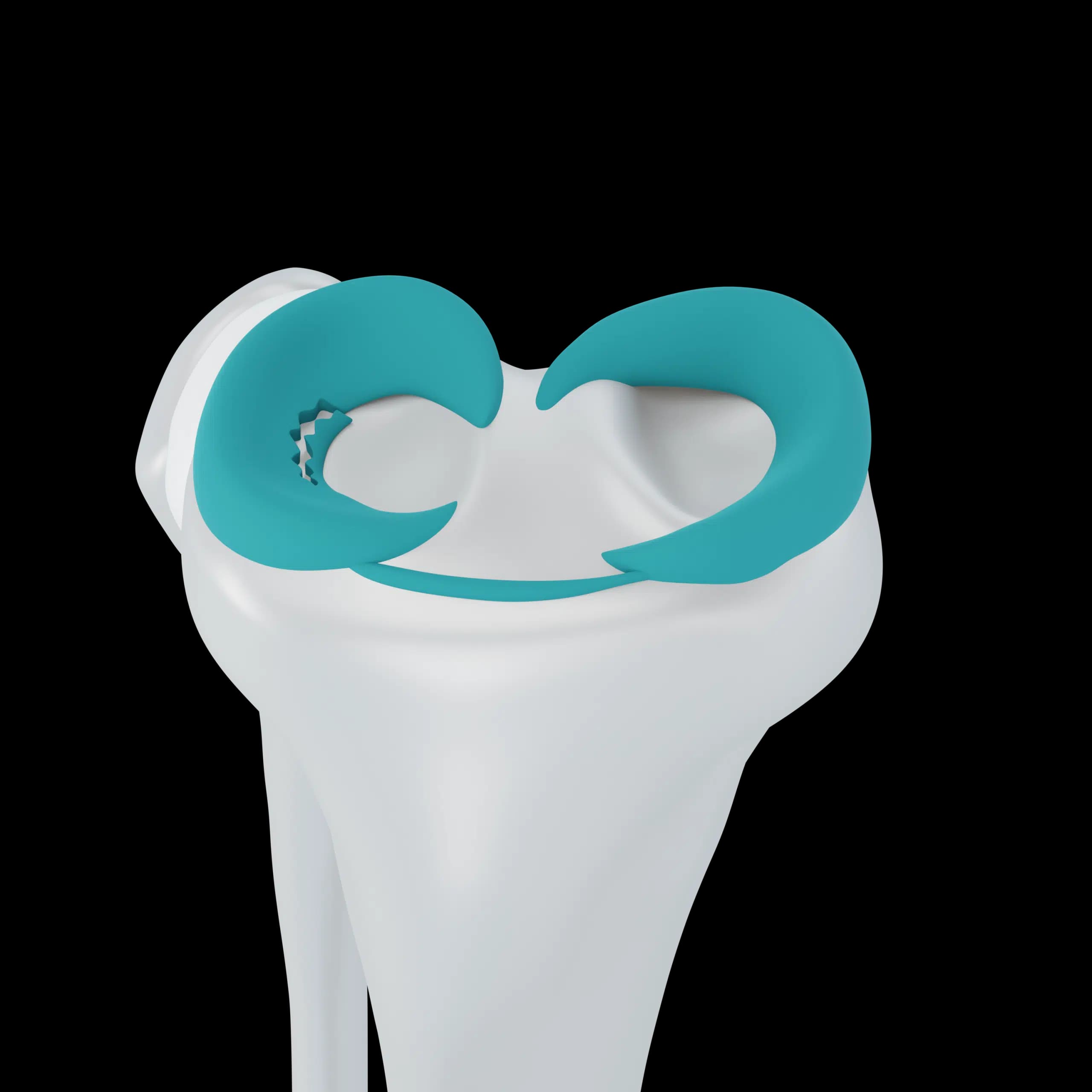
- Pain on the inner joint line, which may point to a meniscus problem
- Limping or difficulty bearing weight
At Aman Hospital in Doha, Dr. Pablo Gelber assesses runners with a detailed history and clinical examination, and arranges imaging only when it is likely to change the treatment plan. Most running knee problems are treated without surgery, and the plan always depends on an individual examination.
Frequently asked questions
Should I stop running completely if my knee hurts?
Not always. For many overuse problems, reducing distance and intensity to a level that does not increase pain, while doing strength work, is more helpful than complete rest. If the knee swells, locks or gives way, stop running and have it examined.
Is it safe to run outdoors in Doha in summer?
It can be risky in the middle of the day. Running early in the morning or late in the evening, keeping sessions shorter, hydrating well and using indoor facilities on very hot or humid days reduces the risk of heat illness and fatigue-related injuries.
Does running cause knee arthritis?
For most people with healthy knees, recreational running has not been shown to cause arthritis and may support joint health. People with previous knee injuries, meniscus surgery or existing arthritis should discuss their running plans with a specialist.
Do I need an MRI for runner's knee?
Usually not. Runner's knee and IT band syndrome are diagnosed by examination. An MRI may be considered if there is swelling, locking, a suspected meniscus or cartilage injury, or if pain does not improve with appropriate treatment.
Related