Procedures
Knee Arthroscopy in Doha
Quick answer
Knee arthroscopy is keyhole surgery in which a small camera and instruments are inserted through tiny incisions to treat problems inside the knee, such as meniscus tears, loose bodies and cartilage injuries. Dr. Pablo Gelber performs knee arthroscopy at Aman Hospital in Doha; most patients go home the same day.
Who knee arthroscopy is for
Arthroscopy is useful when a specific problem inside the knee has been identified, usually by examination and MRI, and is causing symptoms such as locking, catching, giving way or persistent pain that has not improved with non-surgical treatment.
It is not usually recommended for knee pain caused by osteoarthritis alone. In arthritic knees, washing out or trimming the joint generally gives little lasting benefit, and treatments such as exercise, weight management, injections or, later, knee replacement are more appropriate.
What it is used for
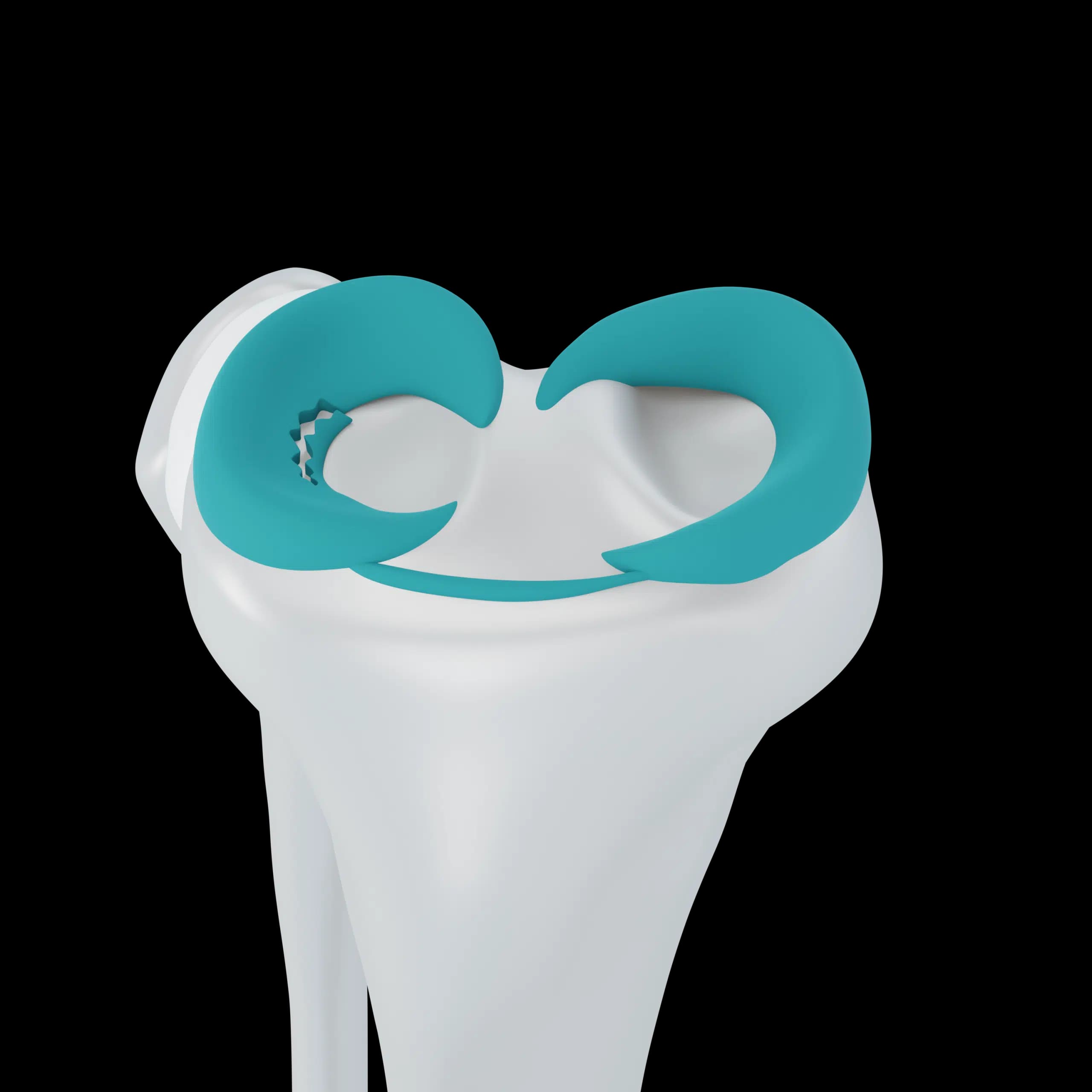
- Meniscus repair or trimming
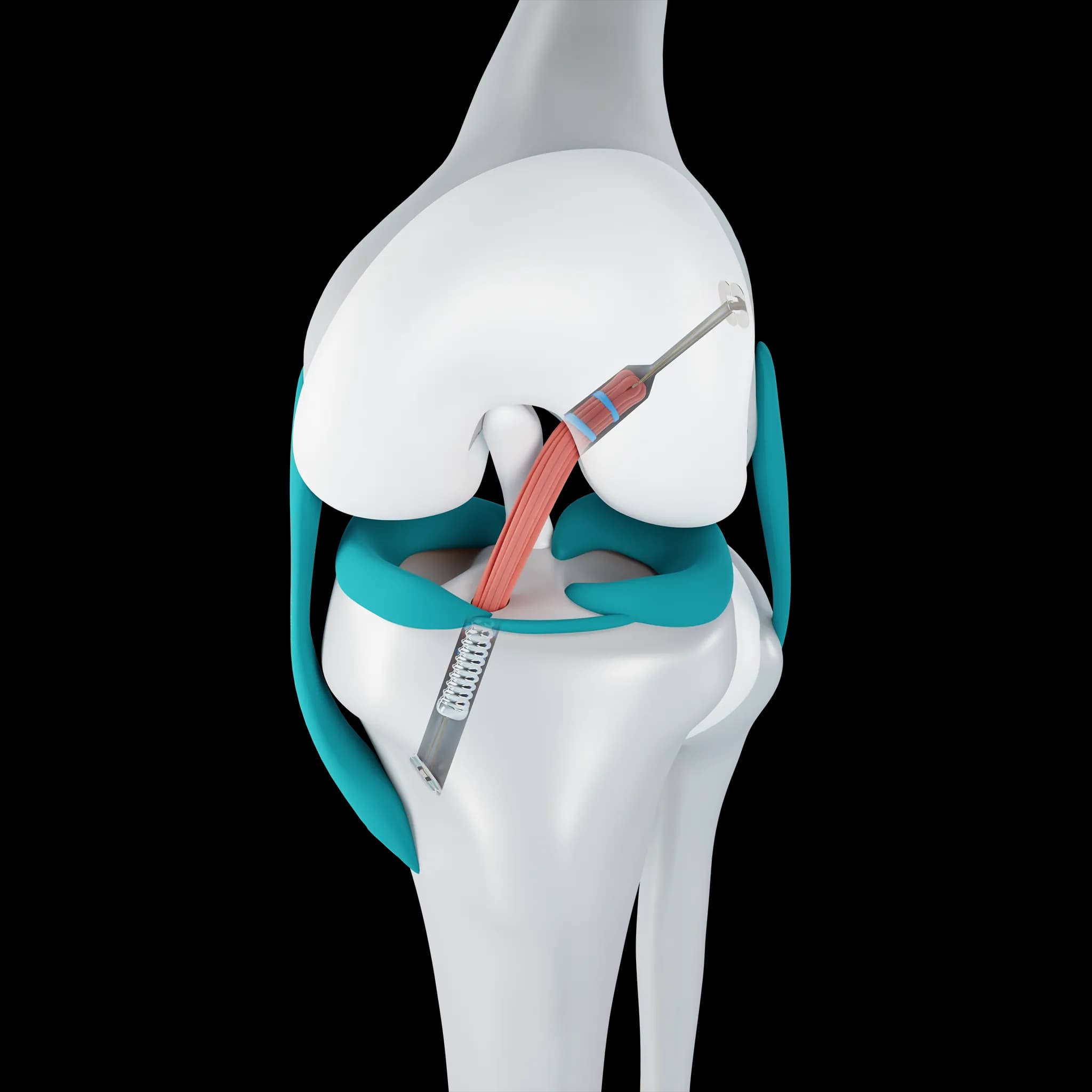
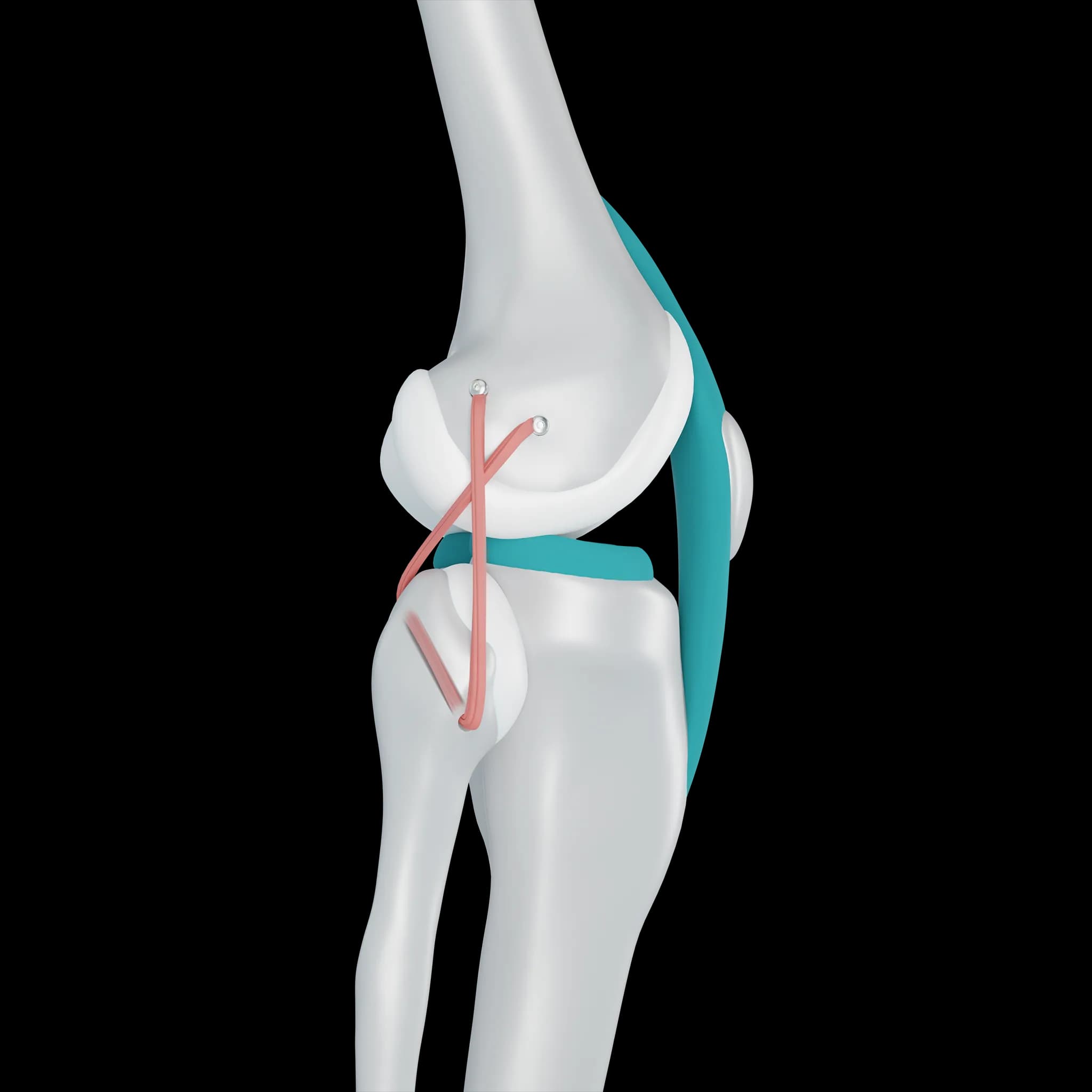
- ACL and other ligament reconstruction
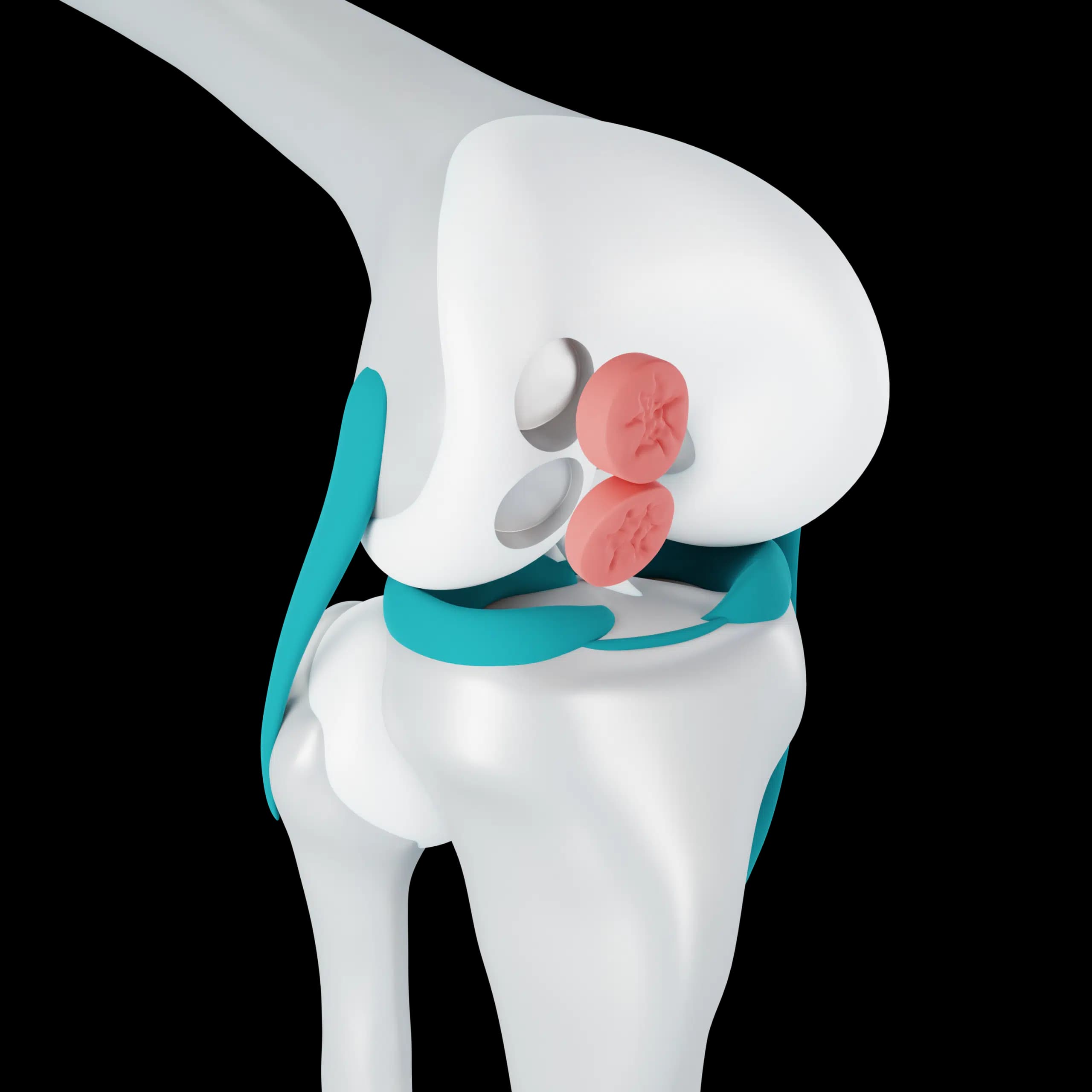
- Cartilage procedures
- Removing loose bodies
- Treating a locked knee
How the procedure is done
Knee arthroscopy is usually performed under general or spinal anaesthesia. Two or more small incisions of about one centimetre are made around the kneecap. Sterile fluid is used to expand the joint, a camera shows the inside of the knee on a screen, and fine instruments are inserted through the other incisions to treat the problem.
A simple arthroscopy often takes under an hour, while procedures such as ligament reconstruction or meniscus repair take longer. The small incisions are closed with stitches or adhesive strips and covered with a dressing.
The day of surgery at Aman Hospital
You will be asked to fast for several hours beforehand. On admission you meet the anaesthetist and the surgical team, and the knee is marked. After the procedure you rest in the recovery area until you are comfortable, eating and drinking, and able to walk safely, with crutches if needed. Most patients go home the same day, with pain relief, wound care instructions and an exercise plan.
Recovery
Recovery depends on what was done inside the knee.
- After trimming a meniscus or removing a loose body: walking within a day or two, office work usually after about one week, sport often after four to six weeks
- After meniscus repair: several weeks of protected weight-bearing, sport usually at four to six months
- After ACL reconstruction: a structured programme, with pivoting sport usually at nine to twelve months
Some swelling is normal for a few weeks. Physiotherapy helps restore movement and strength.
Risks
Knee arthroscopy is one of the most common orthopaedic procedures and serious complications are uncommon. Possible risks include swelling or fluid in the knee, infection, blood clots in the leg, stiffness and numbness near the incisions. Dr. Gelber explains the risks that apply to your procedure before you consent.
Preparing for surgery in Doha
- Bring your MRI images and report, and any previous X-rays
- Insurance pre-approval may be needed, so check with your insurer
- Tell the team about all your medicines, especially blood thinners
- Arrange for someone to drive you home, as you should not drive on the day of surgery
Frequently asked questions
How long does knee arthroscopy take?
A simple arthroscopy usually takes under an hour. Longer procedures, such as meniscus repair or ACL reconstruction, take more time.
Will I need to stay overnight in hospital?
Most patients go home the same day. An overnight stay may be suggested after more extensive procedures or if pain control or walking need more time.
Can arthroscopy help knee arthritis?
Usually not on its own. For osteoarthritis, washing out or trimming the knee generally gives little lasting benefit. Arthroscopy may still help when a specific problem, such as a loose body causing locking, is present.
When can I go back to work after knee arthroscopy?
After a simple arthroscopy, people with desk jobs usually return within about one week, while those with physical or standing jobs may need two to four weeks or more. After meniscus repair or ligament reconstruction the time off is longer, and Dr. Gelber gives you a plan based on your work.
Will I need physiotherapy after arthroscopy?
Most patients benefit from physiotherapy or a guided home exercise programme. It helps reduce swelling, restore full movement and rebuild the thigh muscles, which weaken quickly after any knee procedure.
Related