Conditions
Meniscus Tear Treatment in Doha
Quick answer
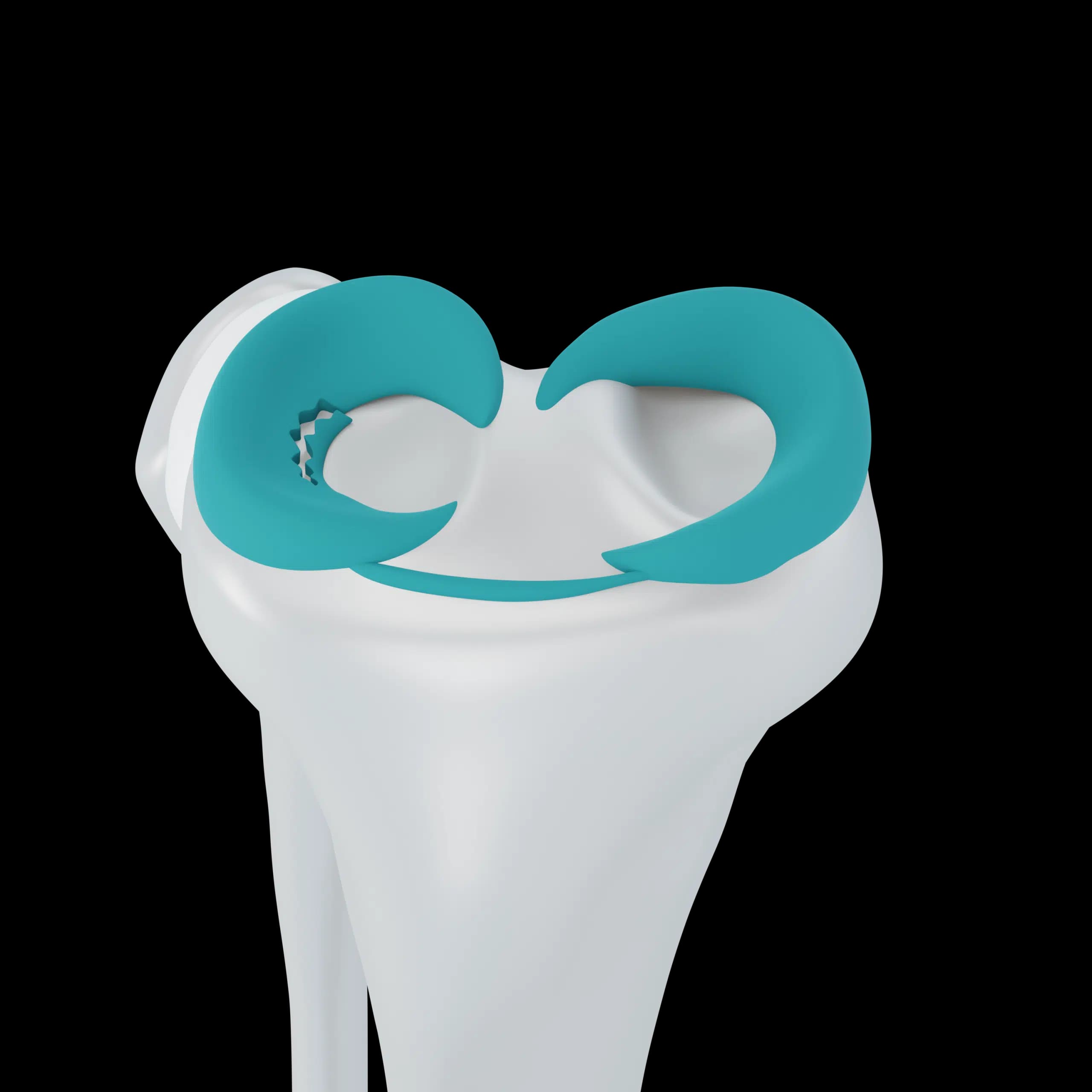
A meniscus tear is an injury to one of the two C-shaped cartilage cushions inside the knee, causing pain, swelling, catching or locking. At Aman Hospital in Doha, knee surgeon Dr. Pablo Gelber treats meniscal tears with physiotherapy, arthroscopic meniscus repair or, when repair is impossible, partial meniscectomy, always aiming to save the meniscus.
What is the meniscus?
Each knee has two menisci: the medial meniscus on the inner side and the lateral meniscus on the outer side. These rubbery, C-shaped pads sit between the thigh bone and the shin bone, where they absorb shock, spread load and help keep the knee stable.
Symptoms
- Pain on the inner or outer side of the knee, often with twisting or squatting
- Swelling that may develop over a day or two
- Catching, clicking or a feeling that something is moving inside the knee
- Locking, where the knee will not fully straighten
- The knee feeling weak or giving way
Causes and who gets it
In younger people, meniscus tears usually follow a twisting injury with the foot planted, which is common in football, padel and basketball, and they often occur together with an ACL tear. Deep squatting under load can also tear the meniscus.
From middle age, the meniscus becomes less elastic and can tear with everyday movements, such as rising from kneeling or sitting on the floor. These degenerative tears are often part of early osteoarthritis.
Types of meniscal tear
- Traumatic tears in younger, active patients, often repairable
- Bucket-handle tears that can lock the knee and need urgent surgery
- Root tears, which behave like losing the whole meniscus and should be repaired
- Degenerative tears in older knees, often managed without surgery
Diagnosis
A knee surgeon can often suspect a meniscus tear from the history and examination, including tenderness along the joint line and pain with specific rotation tests. An MRI scan confirms the tear, shows its pattern and position, and checks the ACL and cartilage. In older patients, standing X-rays show whether there is arthritis, which changes the treatment plan.
Why saving the meniscus matters
The meniscus spreads load across the knee joint. Removing it increases pressure on the cartilage and the long-term risk of osteoarthritis. Wherever the tear pattern allows, Dr. Gelber repairs rather than removes.
Treatment options
Many degenerative tears and small stable tears settle with physiotherapy, activity modification and, when needed, anti-inflammatory medication or an injection. A trial of non-surgical treatment for several weeks is reasonable for most tears that are not locking the knee.
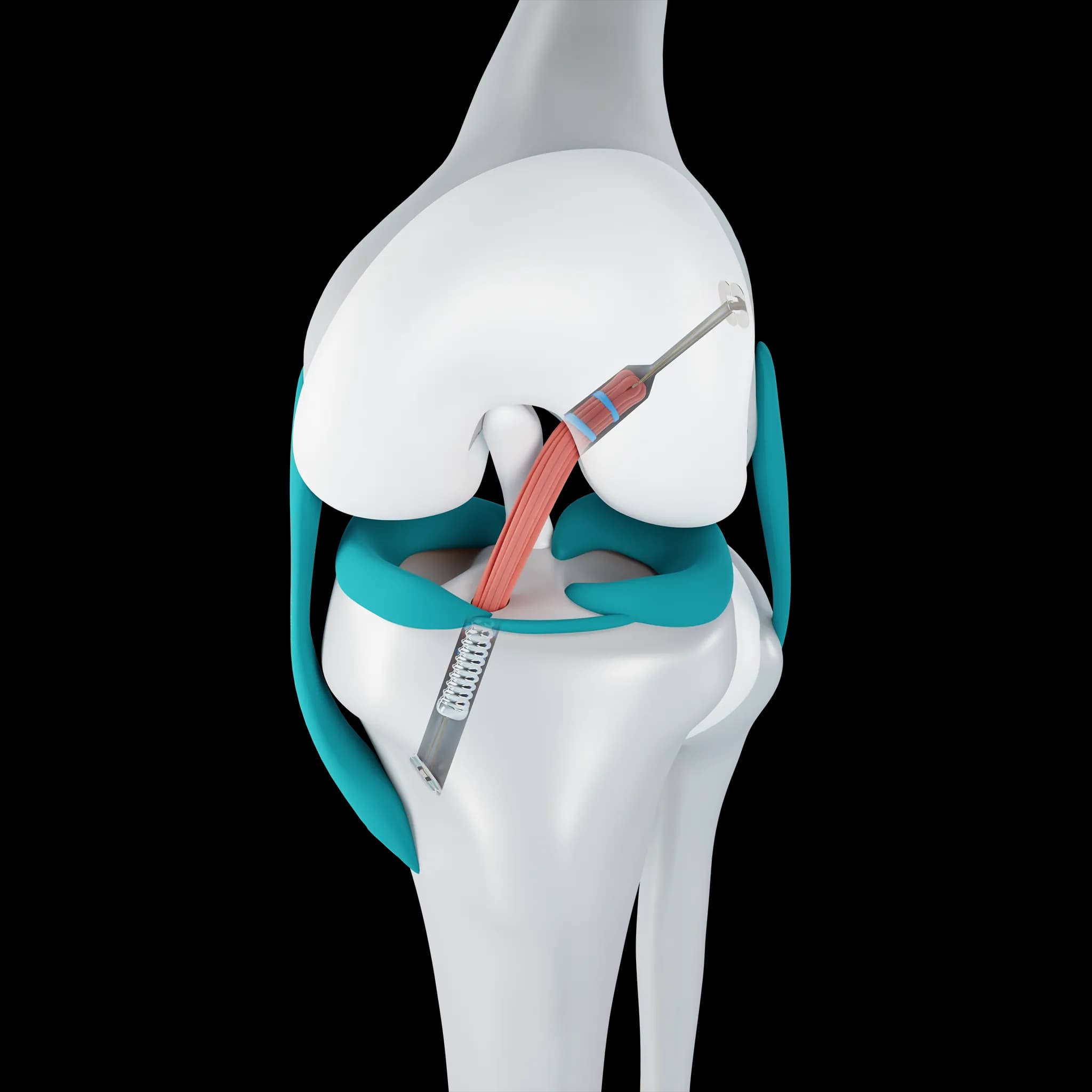
Arthroscopic surgery is considered when the knee is locked, when catching or giving way persists, or when a tear in a younger patient is likely to be repairable. Meniscus repair stitches the torn meniscus so it can heal; partial meniscectomy trims away only the unstable fragment when repair is not possible.
Recovery and outlook
Recovery depends on what is done. After partial meniscectomy, many patients walk normally within days and return to light sport in around four to six weeks. After meniscus repair, the knee is protected for longer, often with crutches and limited bending for around four to six weeks, and return to pivoting sport is usually at around four to six months so the repair has time to heal.
Keeping the meniscus generally protects the knee over the long term, which is why the slower recovery after repair is often worthwhile.
When to see a knee specialist in Doha
- The knee is locked or will not fully straighten
- Swelling, catching or pain persist beyond a few weeks
- The knee also feels unstable after a twisting injury, which can mean an associated ACL tear
- Joint-line pain is stopping you from football, padel, running or kneeling
A locked knee should be seen promptly, because some tears are more likely to be repairable when treated early. Dr. Gelber assesses meniscus tears at Aman Hospital in Doha.
Frequently asked questions
What does a locked knee mean?
A locked knee cannot fully straighten, often because a torn piece of meniscus is caught in the joint. It should be assessed promptly by a knee surgeon.
Can a meniscus tear heal on its own?
Tears in the outer edge of the meniscus, which has a blood supply, can sometimes heal, and many degenerative tears stop causing symptoms with physiotherapy. Tears in the inner part, which has little blood supply, do not usually heal by themselves.
Is it better to repair or remove a torn meniscus?
When the tear can be repaired, keeping the meniscus usually protects the cartilage over the long term. Repair has a longer recovery and is not suitable for every tear pattern, so the choice depends on the tear, your age and the condition of the knee.
Can I keep playing sport with a meniscus tear?
Some people can with a small stable tear, but continuing to pivot on an unstable tear can make it larger and harder to repair. It is sensible to have the knee assessed before returning to football or padel.
Related