Conditions
Knee Arthritis Treatment in Doha
Quick answer
Knee osteoarthritis is wear of the joint cartilage, causing pain, stiffness and swelling, especially with walking and stairs. In Doha, Dr. Pablo Gelber offers a stepwise approach: exercise and weight management, injections, joint-preserving osteotomy, and partial or total knee replacement when the arthritis is advanced.
What is knee osteoarthritis?
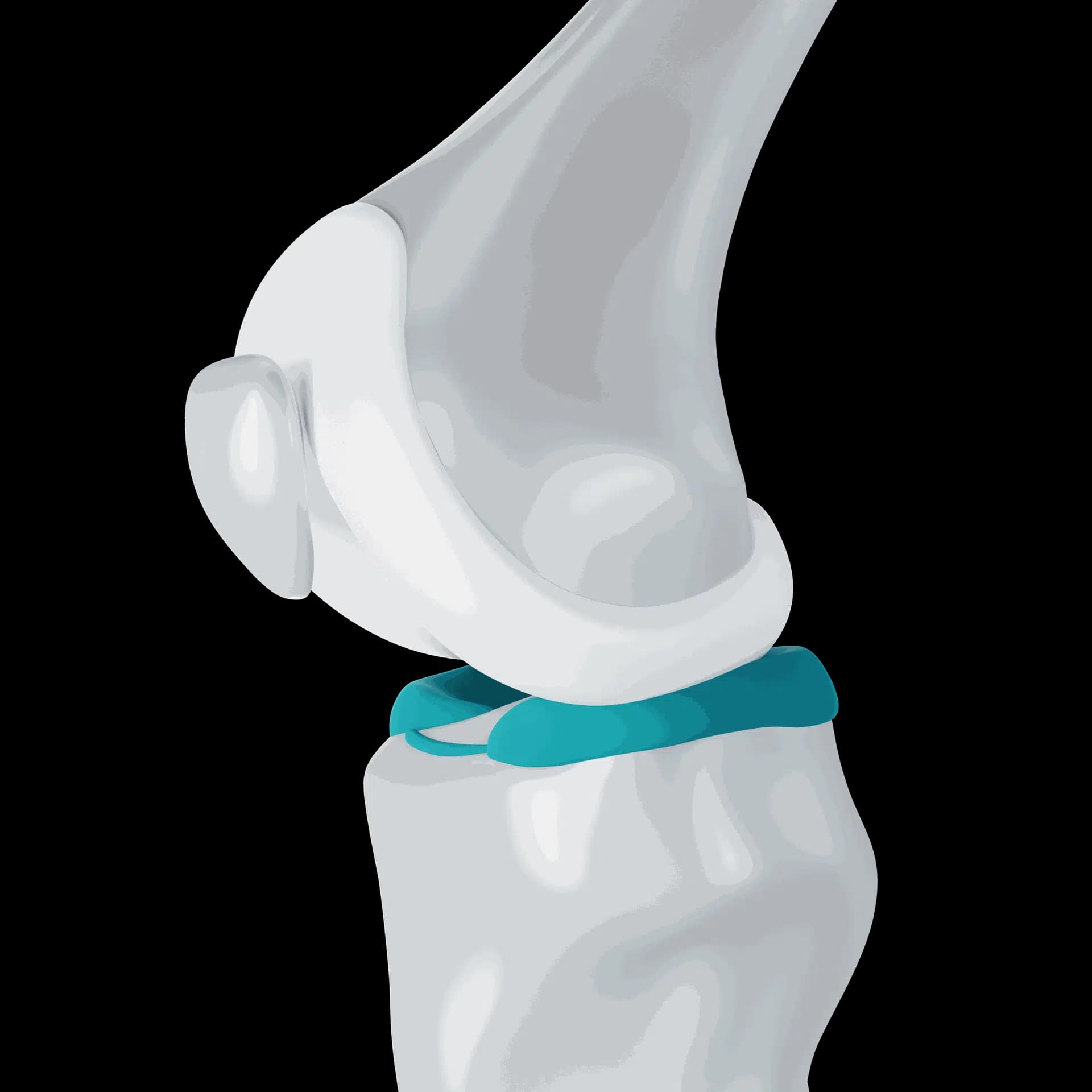
Osteoarthritis is a gradual loss of the cartilage that lines the knee joint, together with changes in the bone beneath it, the joint lining and the surrounding muscles. As the cartilage thins, the joint surfaces glide less smoothly, and the knee can become painful, stiff and swollen.
It can affect the inner side of the knee (the medial compartment), the outer side, the joint behind the kneecap, or the whole knee. Which areas are worn helps guide treatment.
Symptoms
- Pain with walking, stairs, kneeling or rising from a chair
- Stiffness in the morning or after sitting, usually easing within half an hour
- Swelling, especially after activity
- Grinding or crackling in the joint
- Gradual bowing of the leg or loss of full bending and straightening
- Pain at night in more advanced arthritis
Causes and risk factors
The risk of osteoarthritis rises with age, but it is not simply wear and tear. Contributing factors include:
- Excess body weight, which increases the load through the knee with every step
- Previous knee injuries, such as an ACL tear, a meniscus tear or meniscus removal
- Leg alignment, such as bow legs or knock knees
- Family history
- Weak thigh muscles
In Qatar, summer heat that limits outdoor exercise for several months, long hours of sitting and weight gain can all add to the load on the knees. Knee pain also makes it harder to stay active, a cycle that targeted exercise helps to break.
Diagnosis
Diagnosis is based on symptoms, examination and weight-bearing X-rays, which show joint space narrowing, bone spurs and leg alignment. An MRI is not usually needed to diagnose osteoarthritis, but it can help when symptoms do not match the X-rays or when a younger patient may be suitable for joint-preserving surgery.
Stepwise treatment
- Strengthening exercise and weight management
- Anti-inflammatory medication and injections
- Osteotomy to unload a worn compartment in younger, active patients
- Partial knee replacement when only one compartment is worn
- Total knee replacement for advanced arthritis
Most people start with non-surgical treatment, and many manage well with it for years. Physiotherapy, low-impact exercise such as cycling, swimming or walking in air-conditioned indoor spaces, and losing even a moderate amount of weight can reduce pain. Surgery is considered when pain and stiffness continue to limit daily life despite these measures. Arthroscopic washout is not recommended for osteoarthritis alone.
Outlook
Osteoarthritis tends to progress slowly, and symptoms often vary from month to month. Staying active and keeping the thigh muscles strong is one of the main ways to protect the knee. When replacement is needed, partial and total knee replacements relieve pain and improve walking in many patients, with a recovery period of several months.
When to see a knee specialist in Doha
- Knee pain is limiting your walking, sleep, prayer or work
- Pain and swelling persist despite exercise, weight management and simple painkillers
- The knee is becoming more bowed or stiff
- You have been told you need a knee replacement and want to understand all your options
Dr. Gelber sees patients with knee arthritis at Aman Hospital in Doha and explains each stage of treatment, from exercise to replacement. For patients who fast, the timing of injections or surgery can be planned around Ramadan.
Frequently asked questions
Can knee arthritis be reversed?
Worn cartilage does not grow back, but symptoms can often be improved considerably. Exercise, weight loss and other non-surgical treatments reduce pain and improve function in many patients, even when X-rays show arthritis.
Is walking good for knee arthritis?
For most people, yes. Regular walking and strengthening exercise help the knee, and mild discomfort that settles within a day is usually not a sign of harm. In the Doha summer, indoor walking, cycling or swimming are practical alternatives.
When is it time for a knee replacement?
When arthritis is advanced on X-ray and pain, stiffness or deformity continue to limit daily life despite non-surgical treatment. There is no fixed age; the decision is made together, based on your symptoms and goals.
Related
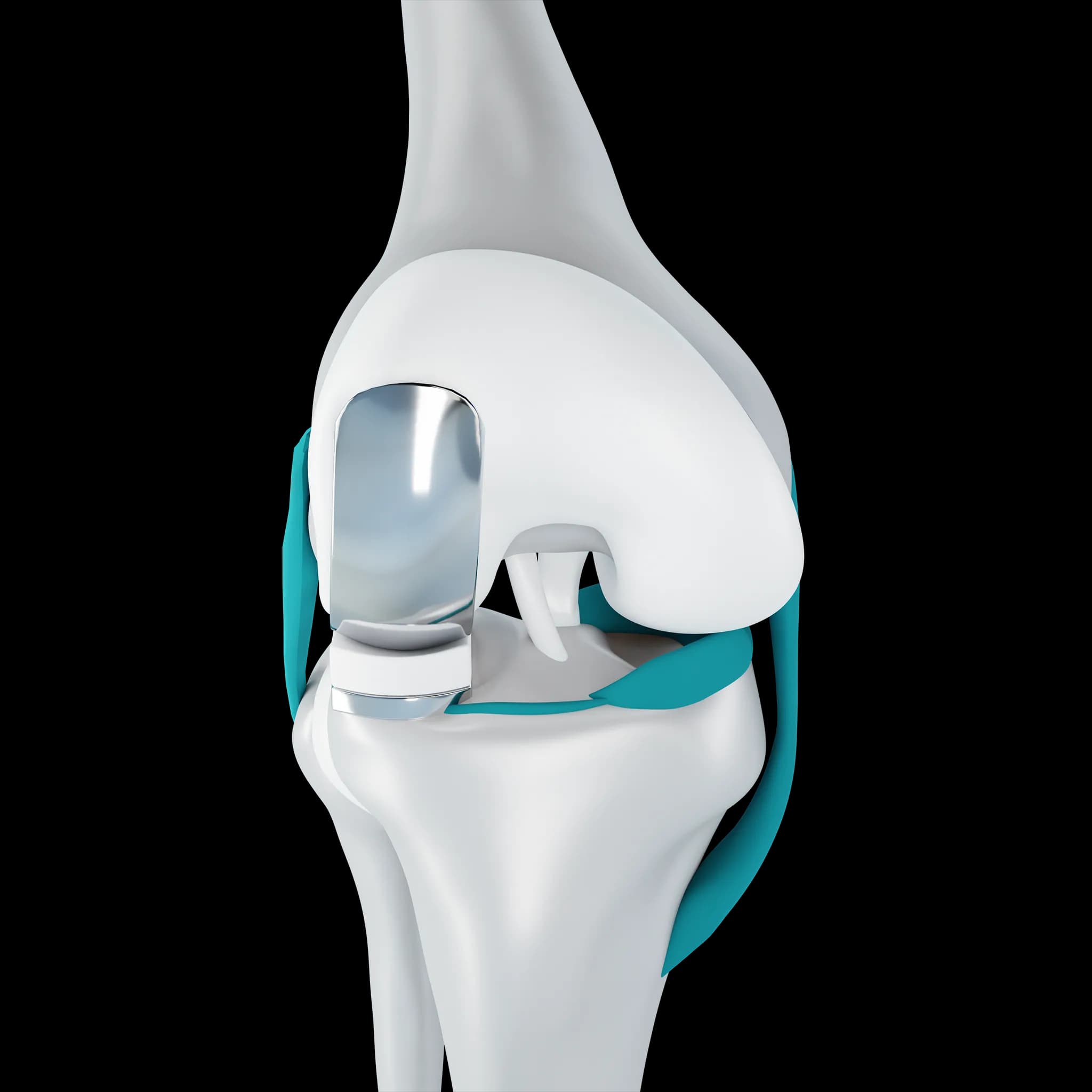 ProceduresKnee Replacement Surgery in Doha
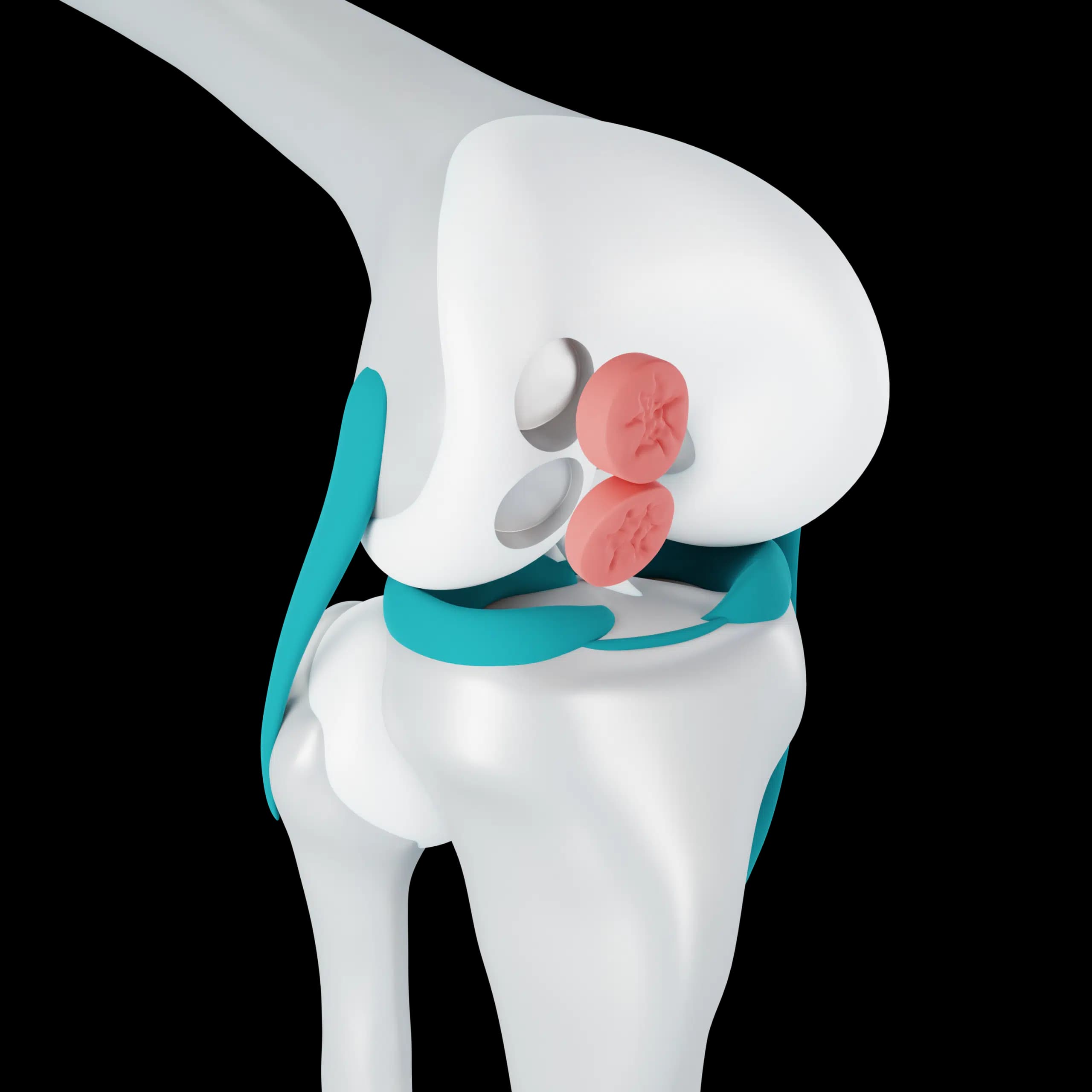 ConditionsKnee Cartilage Damage Treatment in Doha
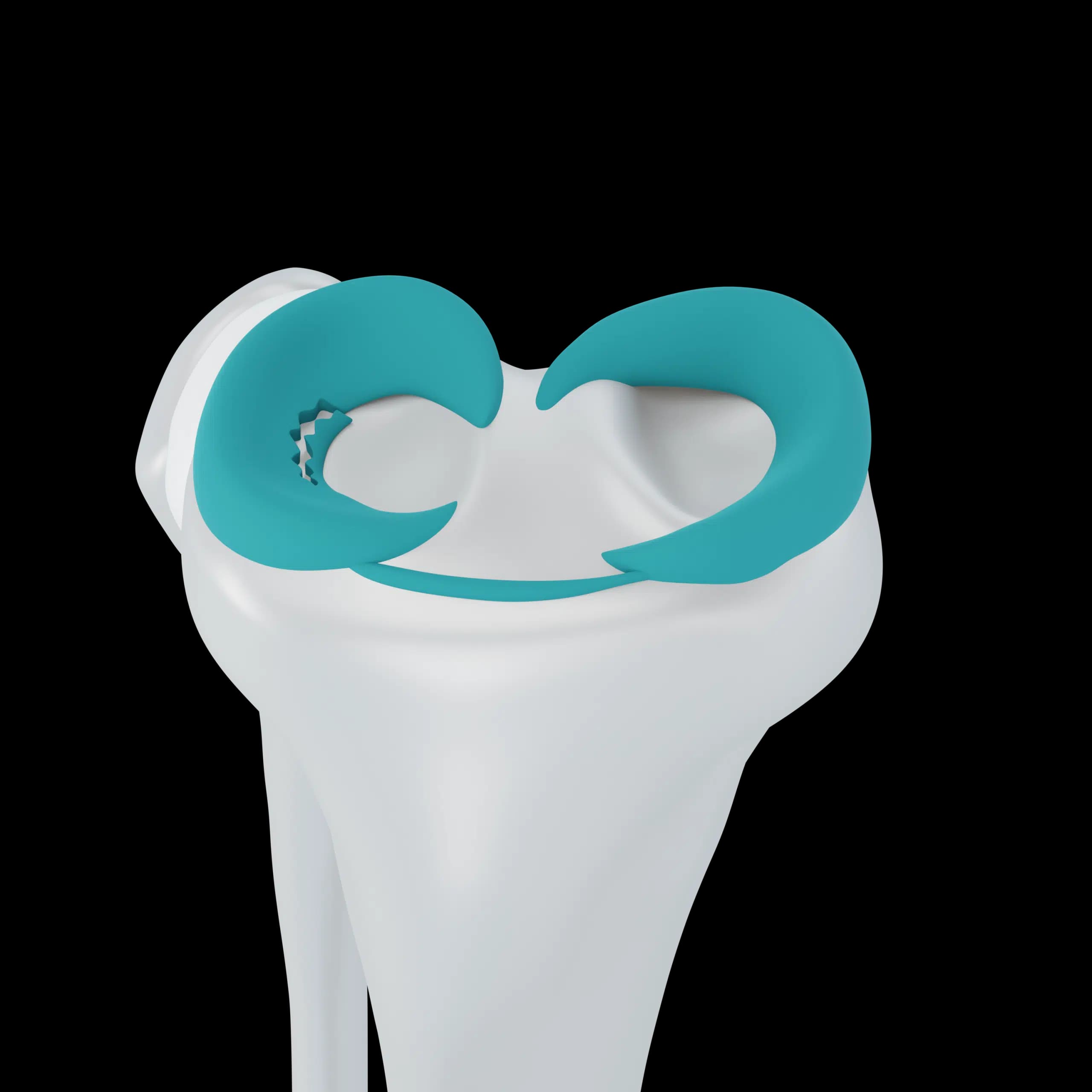 ConditionsMeniscus Tear Treatment in Doha
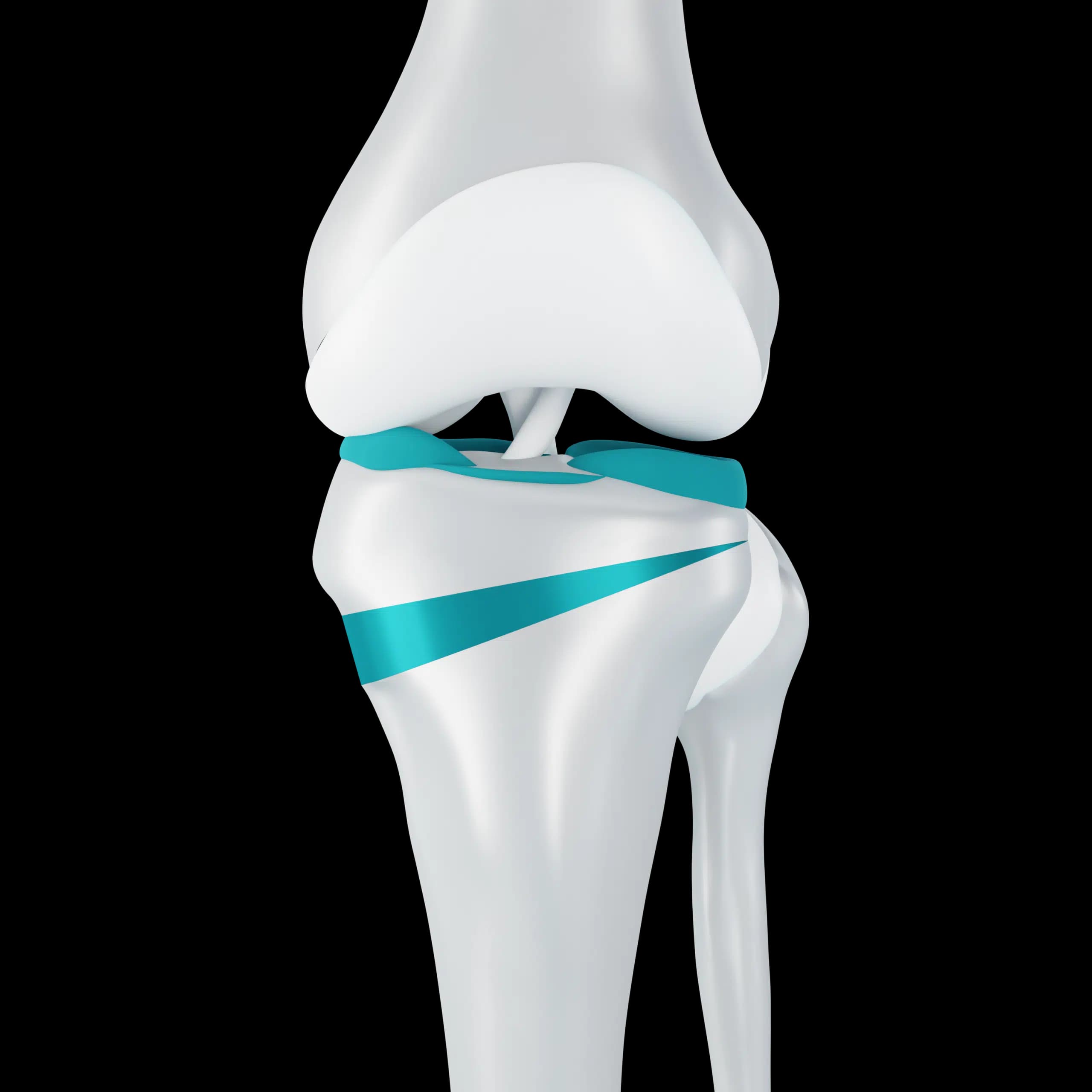 ArticleKnee Arthritis: Treatment Options Before Knee Replacement
- ArticlePlanning Knee Surgery Around Ramadan
 ArticleRunning Knee Pain in Doha's Heat: Runner's Knee, IT Band and Safe Training