Article· 5 min read
Knee Arthritis: Treatment Options Before Knee Replacement
 Dr. Pablo GelberOrthopaedic Knee Surgeon
Quick answer
Doha knee surgeon Dr. Pablo Gelber explains that most people with knee osteoarthritis start with non-surgical care: weight management, targeted physiotherapy, activity changes, pain relief and sometimes bracing or injections. Realignment osteotomy can suit selected younger patients. Partial or total knee replacement is usually considered when pain and stiffness keep limiting daily life despite these measures.
What knee osteoarthritis is, and why surgery is rarely the first step
Osteoarthritis is gradual wear of the smooth cartilage that covers the ends of the bones in the knee. It often causes pain on walking or climbing stairs, stiffness after sitting, swelling and a feeling that the knee is less reliable than it used to be.
X-ray changes and symptoms do not always match. Some people with marked changes on an X-ray manage well, while others with milder changes have a lot of pain. For this reason, treatment is guided by how the knee affects your life, not by the image alone. In many patients, a well-structured non-surgical plan keeps them active for years.
Weight, exercise and activity: the foundation
These measures are recommended by international guidelines for almost everyone with knee osteoarthritis, at any stage.
- Weight management: every kilogram of body weight is multiplied across the knee with each step, so even modest weight loss often reduces pain.
- Physiotherapy and strengthening: stronger quadriceps and hip muscles help to unload the joint. A physiotherapist can build a programme you can continue at home or in the gym.
- Low-impact activity: cycling, swimming, aqua exercise and walking on even ground are usually well tolerated. In Doha, an air-conditioned gym, a pool or an early-morning walk in the cooler months makes it easier to stay consistent.
- Activity modification: you do not have to stop being active, but reducing repeated deep squatting, kneeling or high-impact jumping can help a painful knee settle.
Pain relief, bracing and injections
Simple pain relief, such as paracetamol or anti-inflammatory gels and tablets, can help during flare-ups. Anti-inflammatory tablets are not suitable for everyone, particularly people with stomach, kidney or heart problems, so check with your doctor before taking them regularly.
An unloader brace or a walking stick in the opposite hand can reduce load on the worn side of the knee for some patients.
Injections are another option:
- Corticosteroid injections can reduce pain and swelling for a period of weeks to a few months. They are usually not repeated too often.
- Hyaluronic acid (gel) injections help some patients, but research results are mixed and not all guidelines recommend them.
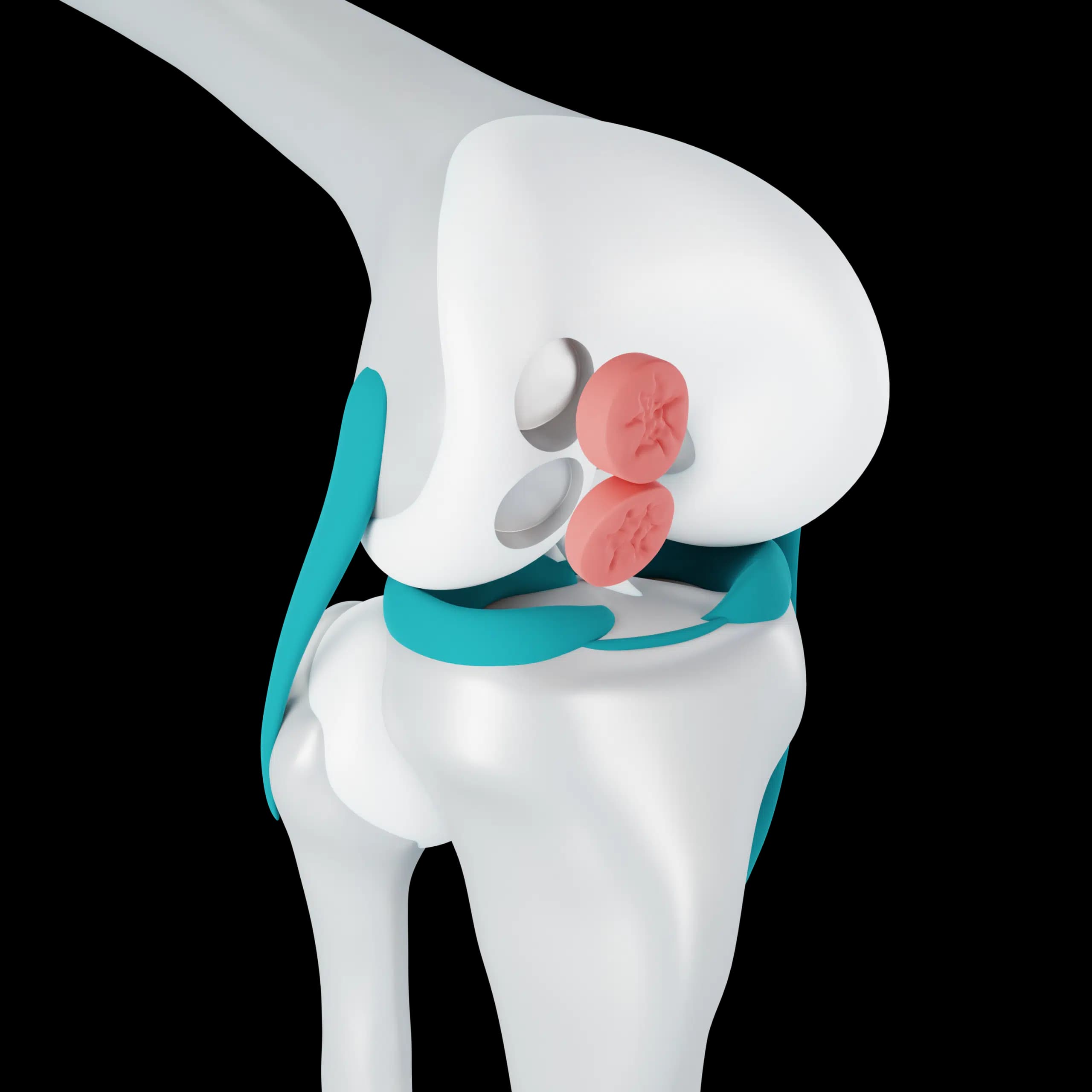
- Platelet-rich plasma (PRP) is being studied widely. Some studies report benefit, others do not, and the evidence is still evolving. It is reasonable to discuss it, with realistic expectations.
Osteotomy: realigning the knee in selected younger patients
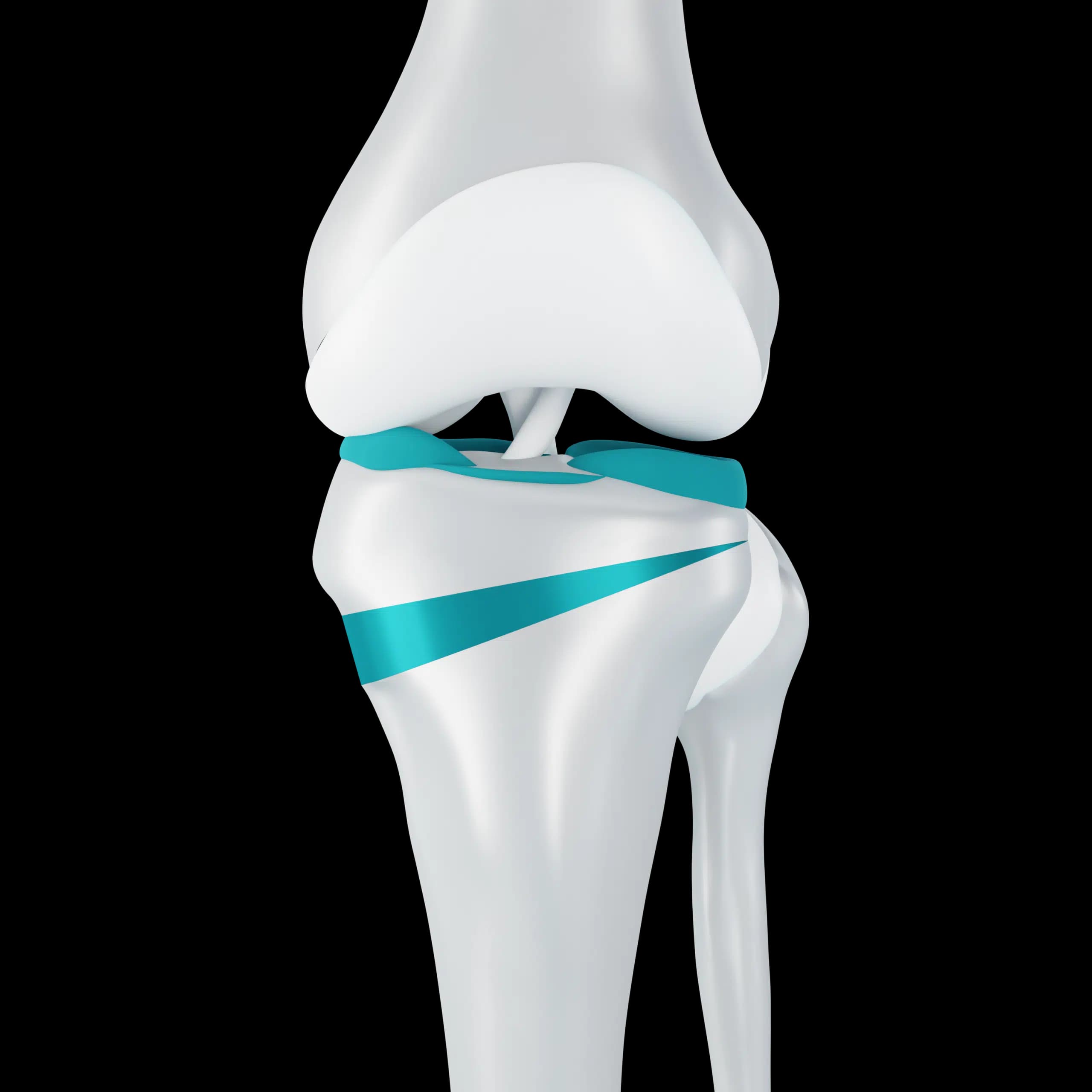
When arthritis mainly affects one side of the knee, often the inner side in bow-legged knees, and the patient is younger and active, a realignment osteotomy may be an option. The surgeon cuts and repositions the shin bone or thigh bone to shift weight towards the healthier side of the joint.
Osteotomy preserves your own knee and can delay the need for replacement. It suits a specific group of patients, so careful assessment with standing X-rays and examination is essential.
Partial or total knee replacement
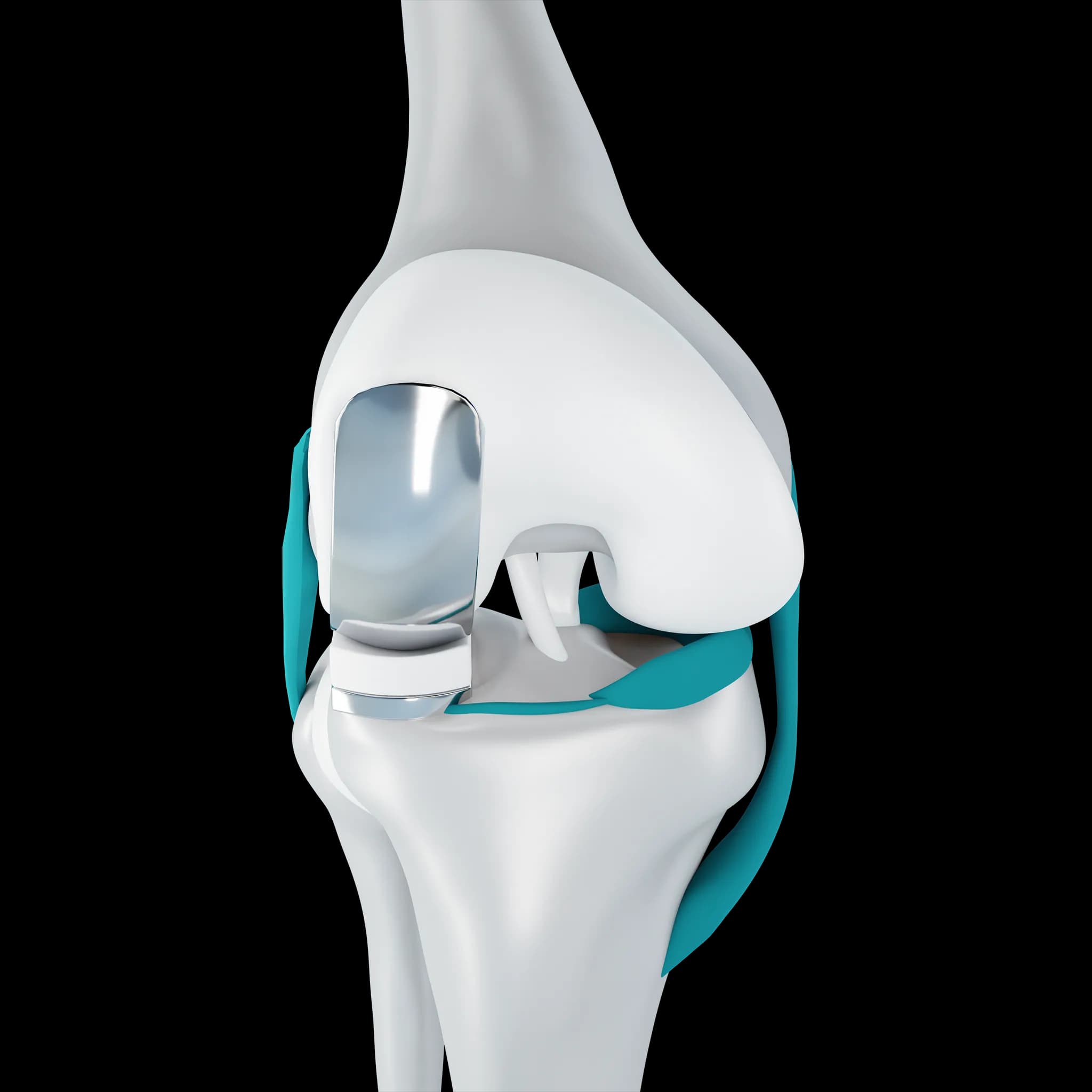
If the wear is limited to one compartment and the ligaments are intact, a partial (unicompartmental) knee replacement may be possible. It replaces only the damaged part, and many patients find the knee feels more natural and recovery is quicker.
When arthritis affects several parts of the knee, a total knee replacement is usually the more suitable choice. Both are well-established operations. The right option depends on your X-rays, examination, age, activity level and goals, which Dr. Gelber discusses with each patient at Aman Hospital in Doha.
Signs it may be time to consider surgery
There is no fixed point at which surgery becomes necessary. It may be worth discussing it when:
- Pain wakes you at night or is present at rest.
- Walking distance is shrinking and daily tasks, such as prayer, stairs or getting out of a car, are becoming difficult.
- You have given non-surgical treatment a fair trial for several months without enough improvement.
- The knee is becoming visibly more bowed or knock-kneed.
The decision is yours, made together with your surgeon after an individual examination.
Frequently asked questions
Can knee arthritis be reversed without surgery?
Worn cartilage does not grow back, but symptoms can often be improved a great deal. Weight management, regular strengthening exercise and sensible activity changes help many patients reduce pain and stay active.
Are PRP or gel injections worth trying for knee arthritis?
Some patients feel better after them, but research results are mixed and they do not change the underlying wear. They may be discussed as part of a wider plan, with realistic expectations about how much and how long they help.
Am I too young for a knee replacement?
Age alone does not decide it. Younger patients may be offered other options first, such as osteotomy or a partial replacement, but if pain is severe and other treatments have not helped, replacement can still be the right choice.
How long should I try non-surgical treatment before considering surgery?
Many surgeons suggest a structured trial of several months. It depends on how severe the symptoms are and how the knee responds, so the timing is decided after examination.
Related