Procedures
Cartilage Restoration Surgery in Doha
Quick answer
Cartilage restoration surgery repairs or replaces damaged joint cartilage in the knee to relieve pain and delay arthritis. Options range from marrow-stimulation techniques for small defects to osteochondral grafts for larger ones. Dr. Pablo Gelber offers cartilage restoration at Aman Hospital in Doha, matching the technique to each defect.
Who cartilage restoration is for
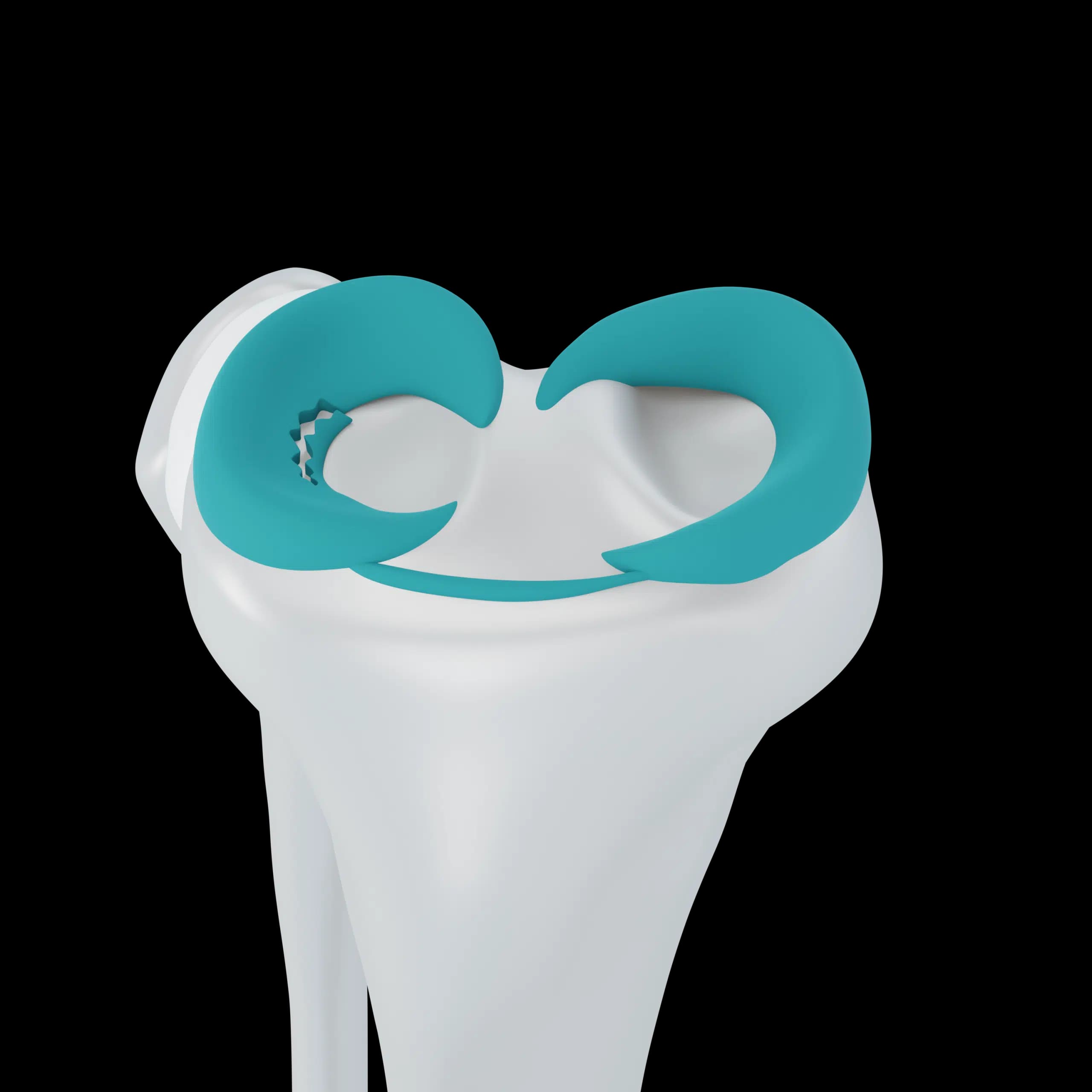
Cartilage restoration is usually considered for younger and active adults with a well-defined area of cartilage damage, rather than widespread wear. Typical causes include a sports injury, a kneecap dislocation or a condition called osteochondritis dissecans, in which a fragment of bone and cartilage loosens.
It is generally not suitable for established osteoarthritis affecting large areas of the joint, where other treatments, including knee replacement in later stages, are more appropriate.
Assessing the defect
Before recommending surgery, Dr. Gelber assesses the size, depth and location of the defect, the stability of the knee and the alignment of the leg. This usually involves an examination, an MRI and, when needed, long-leg X-rays. Problems such as a torn ligament, a missing meniscus or a maltracking kneecap often need to be treated at the same time, because they increase the load on the repaired area.
Techniques
The technique depends mainly on the size of the defect and whether the bone underneath is also affected. Not every option is suitable for every knee, and Dr. Gelber explains which apply to you.
- Marrow stimulation (microfracture and similar techniques): small holes are made in the bone under the defect so that marrow cells form repair tissue; usually used for small defects
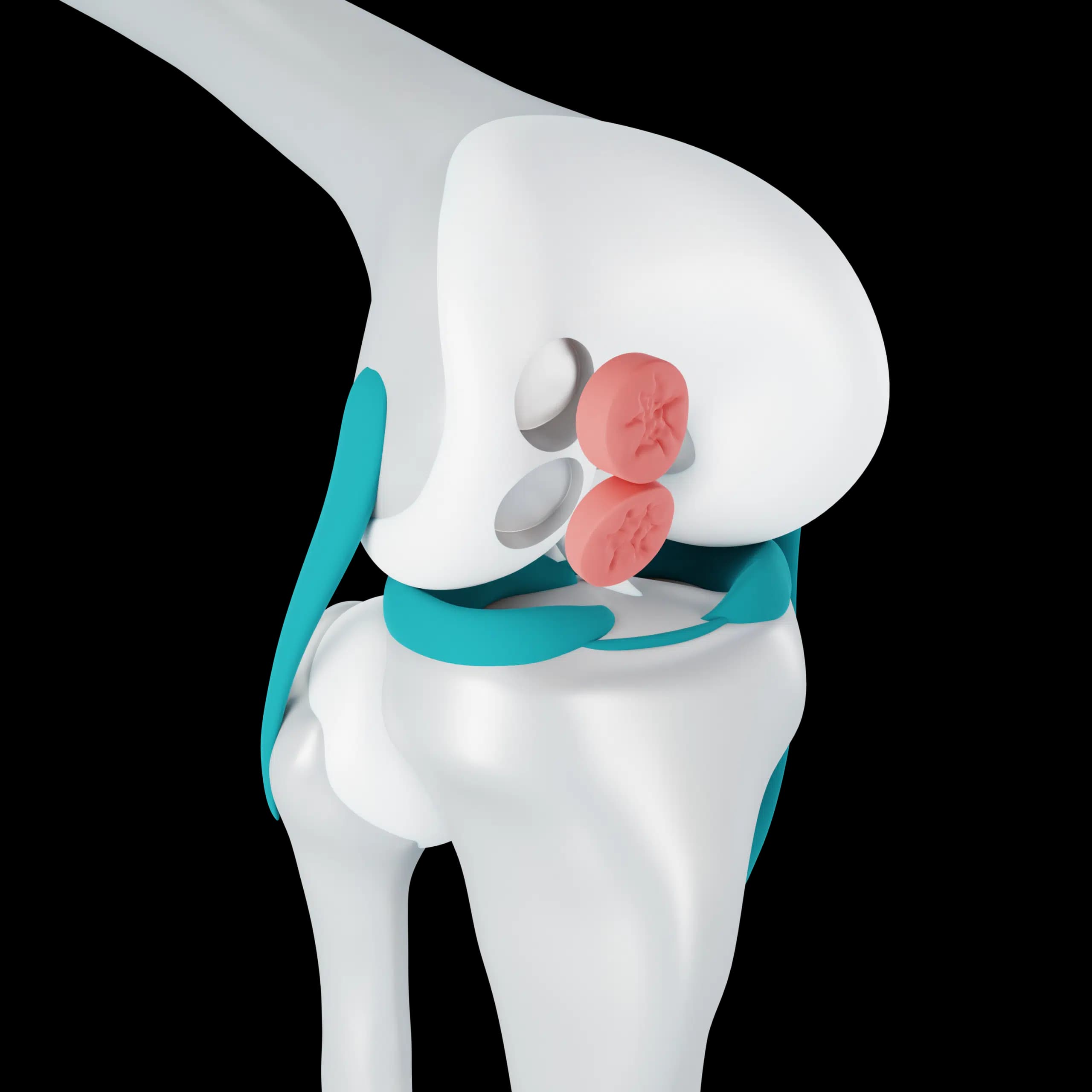
- Osteochondral autograft transfer: plugs of healthy cartilage and bone are moved from a less loaded part of the knee into the defect; suited to small and medium defects
- Osteochondral allograft: a larger piece of donor bone and cartilage fills a bigger defect
- Cell-based repair: the patient's own cartilage cells, or a scaffold, are used to regrow cartilage in larger defects, often in two stages
- Realignment: an osteotomy or kneecap stabilisation may be added to offload the repaired area
How the operation is done
Cartilage surgery is performed under general or spinal anaesthesia. Smaller procedures are done arthroscopically through small incisions, while larger grafts may need a short open incision. The damaged cartilage is cleared back to healthy edges and the chosen repair is placed and secured.
The day of surgery at Aman Hospital
You will be asked to fast for several hours beforehand and will meet the anaesthetist and surgical team on admission. Depending on the procedure, you may go home the same day or stay one or two nights. A physiotherapist teaches you how to walk with crutches and which movements to practise before you leave.
Recovery and rehabilitation
Repaired cartilage matures slowly, so rehabilitation is longer than after most other knee procedures.
- Weeks 0–6: crutches with limited weight on the leg, usually with early gentle movement
- Months 2–4: walking normally and building strength
- Months 4–6: gradual return to low-impact activity such as cycling and swimming
- Usually 9–12 months or more: return to running and pivoting sports, depending on the technique and the defect
Risks
Cartilage restoration is an established set of procedures, but repair tissue does not always heal as planned. Possible risks include incomplete healing or wear of the repair, persisting pain or swelling, stiffness, infection and blood clots. Some techniques need a second operation by design. Following the weight-bearing plan helps protect the repair while it matures.
Preparing for surgery in Doha
- Bring all MRI scans, X-rays and any arthroscopy photos or operation notes
- Insurance pre-approval may be needed, especially for graft or cell-based techniques, so check with your insurer
- Plan for several weeks on crutches and time away from sport
- Start strengthening exercises before surgery if your physiotherapist recommends them
Frequently asked questions
Can knee cartilage grow back?
Joint cartilage has very limited ability to heal on its own. Cartilage restoration techniques aim to fill the defect with repair tissue or transplanted cartilage, which can reduce pain and protect the joint.
What is the difference between microfracture and cartilage transplantation?
Microfracture stimulates the bone under the defect to form repair tissue and is usually used for small defects. Transplantation moves healthy cartilage and bone, from your own knee or a donor, into the defect and is often used for larger ones.
How long until I can play sport again after cartilage surgery?
Usually around nine to twelve months, and sometimes longer, depending on the technique, the size and location of the defect and how rehabilitation progresses.
Related