Procedures
Revision ACL Surgery in Doha
Quick answer
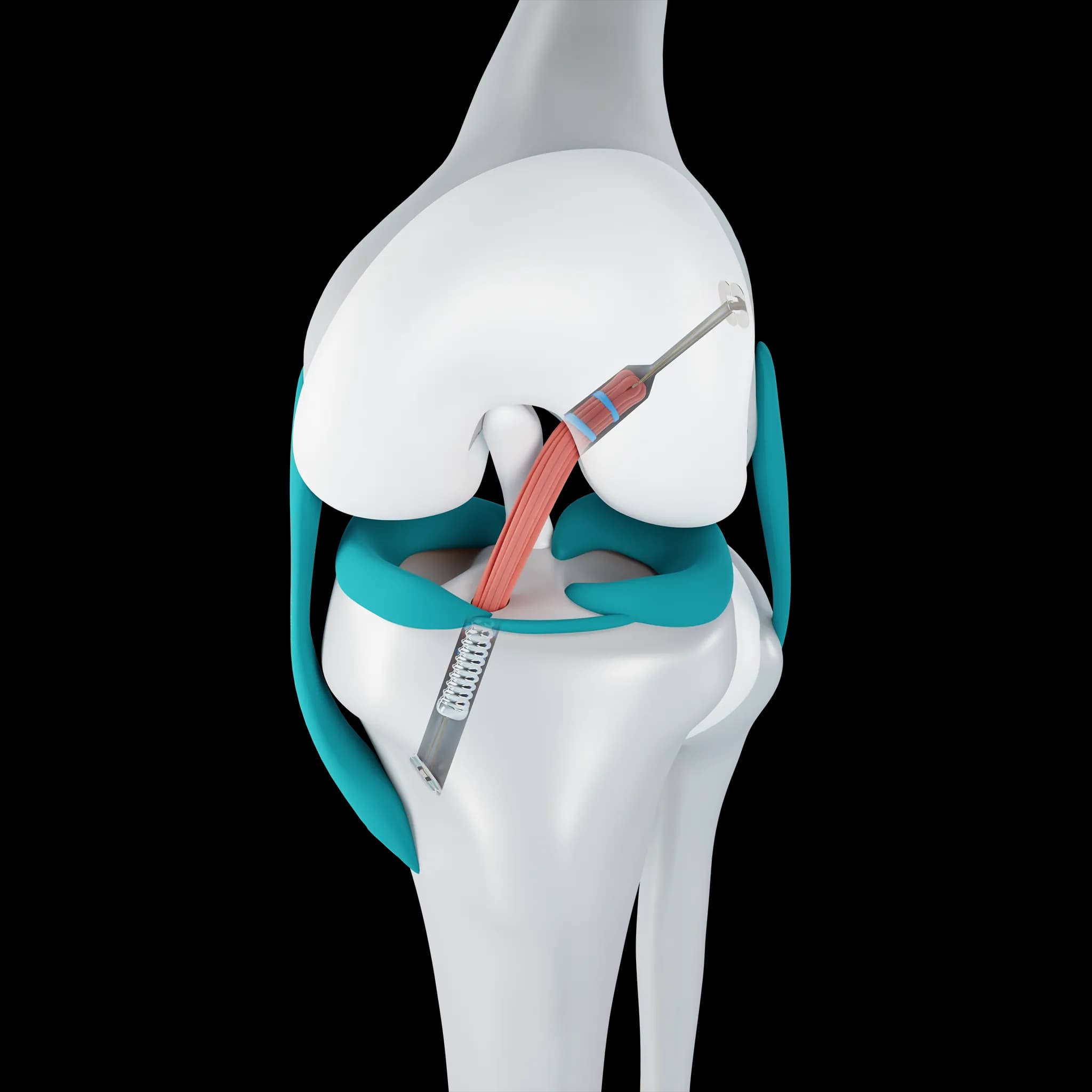
Revision ACL surgery is a repeat reconstruction for a knee whose previous ACL graft has torn or failed. It is more complex than a first operation because tunnel position, bone loss and alignment must be assessed, sometimes needing a two-stage approach. Dr. Pablo Gelber performs revision ACL reconstruction at Aman Hospital in Doha.
Who revision ACL surgery is for
Revision surgery is considered when a knee that has already had an ACL reconstruction feels unstable again, gives way during sport or daily activities, or has a confirmed graft tear on examination and MRI. It is also considered for people whose graft is intact but too loose to control the knee.
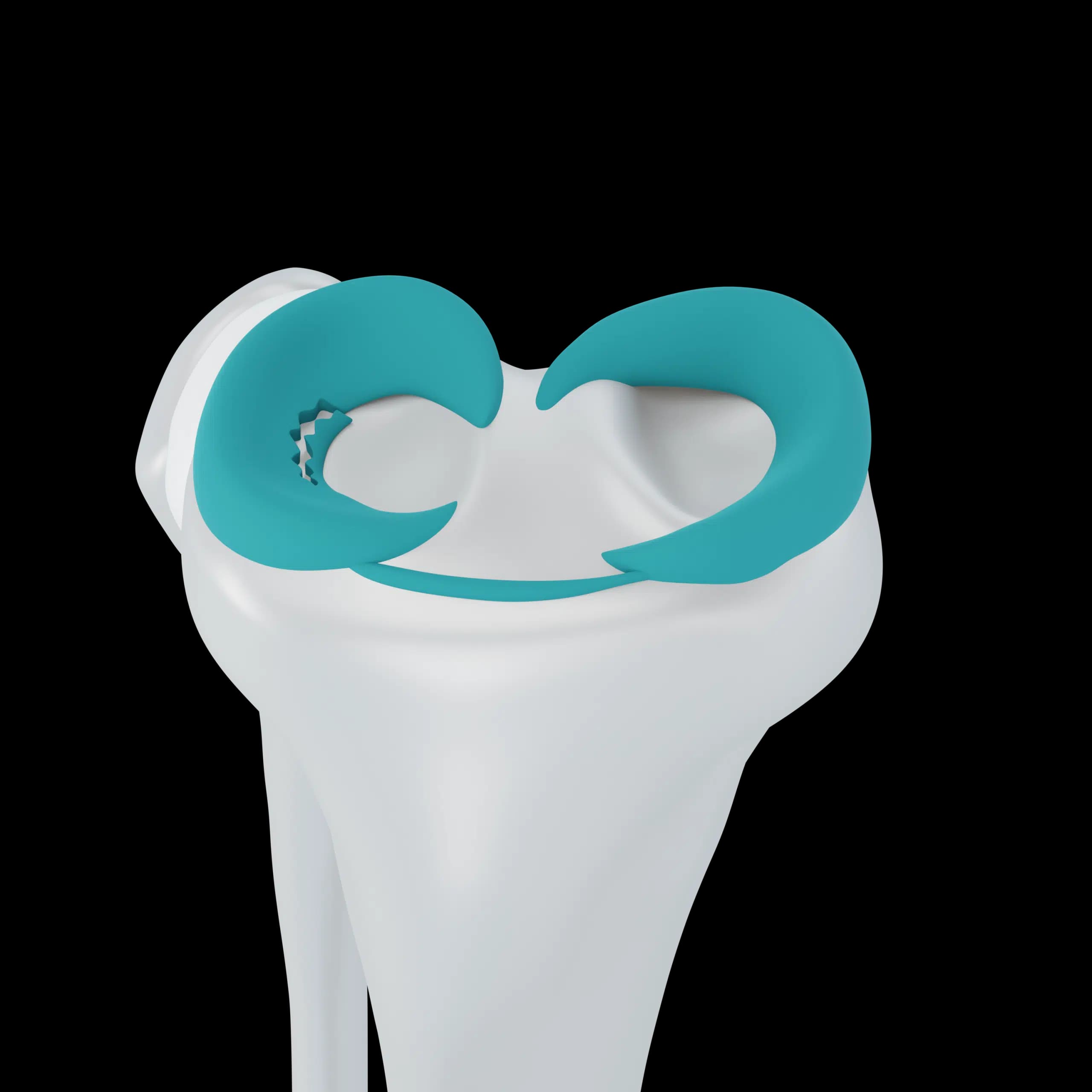
As with a first ACL tear, not everyone needs another operation. Your age, sport, goals and the condition of the meniscus and cartilage all shape the recommendation.
Why ACL grafts fail
- A new injury
- Tunnel positions that did not reproduce the native ligament
- Unaddressed instability in other ligaments
- Leg alignment problems or a steep tibial slope
Assessment before surgery
Understanding why the first reconstruction failed is the key step, because repeating the same operation risks the same result. Dr. Gelber usually reviews:
- A detailed examination of all the knee ligaments
- A new MRI to assess the graft, meniscus and cartilage
- A CT scan to measure the old tunnels and any bone loss
- Long-leg X-rays when alignment or tibial slope may be a factor
- Your previous operation notes, including the graft used and how it was fixed
One-stage or two-stage surgery
When the old tunnels are well placed or can be avoided, the revision is usually done in a single operation. When the tunnels are widened or in the wrong place, a two-stage approach may be safer: the first operation fills the tunnels with bone graft, and the new ligament is reconstructed a few months later once the bone has healed.
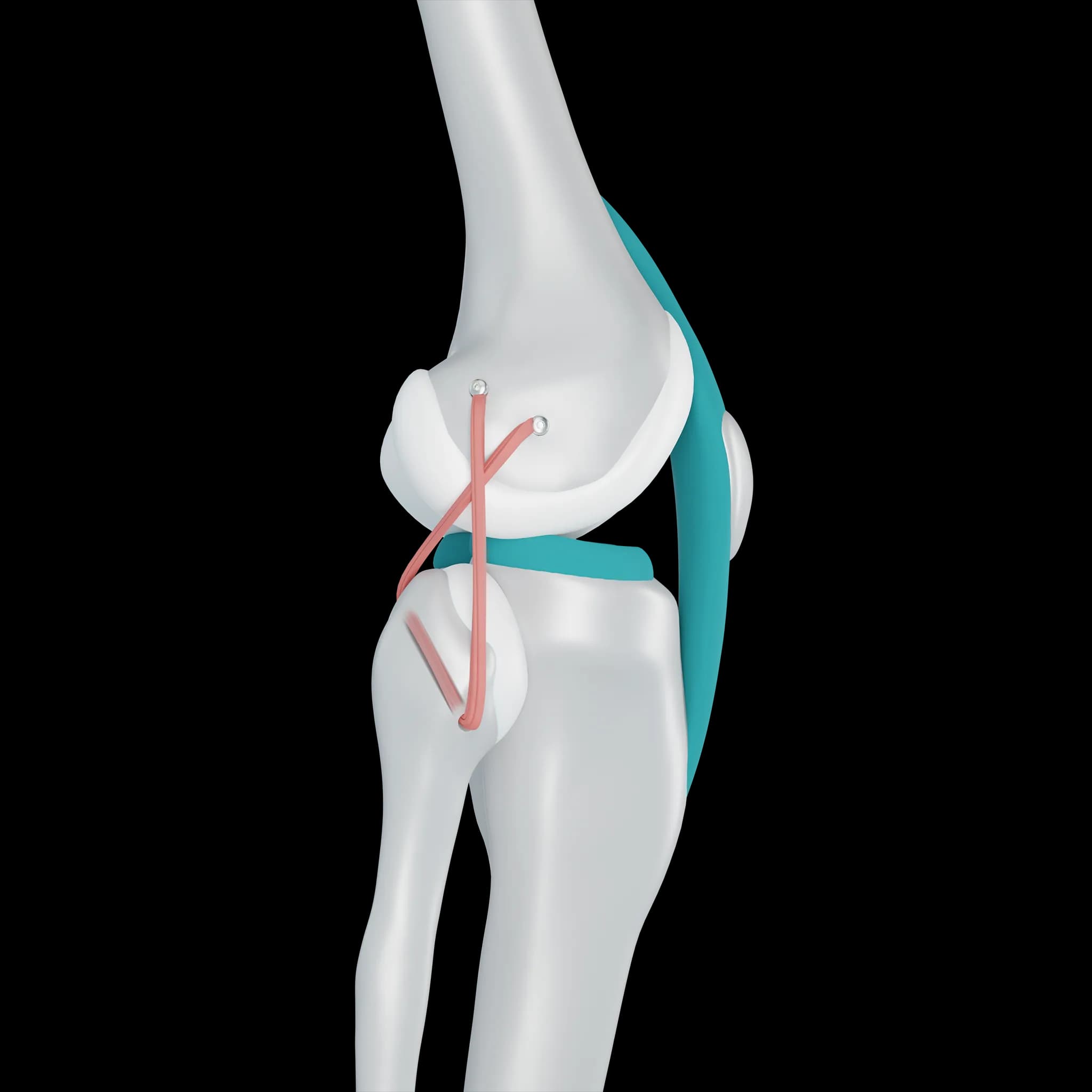
The graft is often taken from a different site from the first operation, for example the patellar or quadriceps tendon after a previous hamstring graft. Additional procedures, such as a lateral extra-articular reinforcement, meniscus repair or, less often, a bone realignment, may be added to protect the new graft.
The day of surgery at Aman Hospital
You will be asked to fast for several hours before the operation, and you meet the anaesthetist and surgical team on admission. Revision surgery is usually performed under general or spinal anaesthesia with a nerve block. Many patients stay one night in hospital so that pain control and walking with crutches can be checked before going home.
Recovery and rehabilitation
Rehabilitation after revision usually follows the same stages as a first ACL reconstruction but is often a little more cautious, especially if bone grafting or meniscus repair was needed.
- First weeks: crutches, controlling swelling and regaining full straightening
- Months 3–6: running and progressive strength work
- Usually 9–12 months or longer: return to pivoting sports, only after passing strength and movement tests
Risks and realistic expectations
The general risks are similar to a first ACL reconstruction: stiffness, infection, blood clots, numbness near the incisions and re-tear of the graft. Revision surgery aims to give a stable knee for daily life and sport, but results are generally less predictable than after a first operation, and some patients choose to return to a lower level of sport. Dr. Gelber discusses what is realistic for your knee before you decide.
Preparing for surgery in Doha
- Bring all previous MRI and CT scans, X-rays and operation notes, including those from abroad
- Insurance pre-approval may be needed, particularly for a two-stage plan, so check with your insurer
- Plan time off work and help at home for the first weeks
- Start pre-operative physiotherapy to reduce swelling and restore movement
Frequently asked questions
Can a torn ACL graft be reconstructed again?
Yes. A failed ACL graft can usually be reconstructed again. The plan depends on why the first graft failed, the position of the old tunnels and the state of the meniscus and cartilage.
Why might I need two operations?
If the old bone tunnels are widened or badly placed, they may first need to be filled with bone graft. The new ligament is then reconstructed a few months later, once the bone has healed.
Which graft is used for revision ACL surgery?
It is often a graft from a different site than the first operation, such as the patellar or quadriceps tendon, or the other knee. Dr. Gelber explains the options that suit your knee.
Related