Procedures
MPFL Reconstruction for Kneecap Dislocation in Doha

Quick answer
MPFL reconstruction rebuilds the medial patellofemoral ligament, the main restraint that stops the kneecap slipping outwards, using a tendon graft. It is usually recommended after repeated kneecap dislocations or a first dislocation with high-risk anatomy, says Dr. Pablo Gelber, who performs kneecap stabilisation at Aman Hospital in Doha, Qatar.
What is the MPFL?
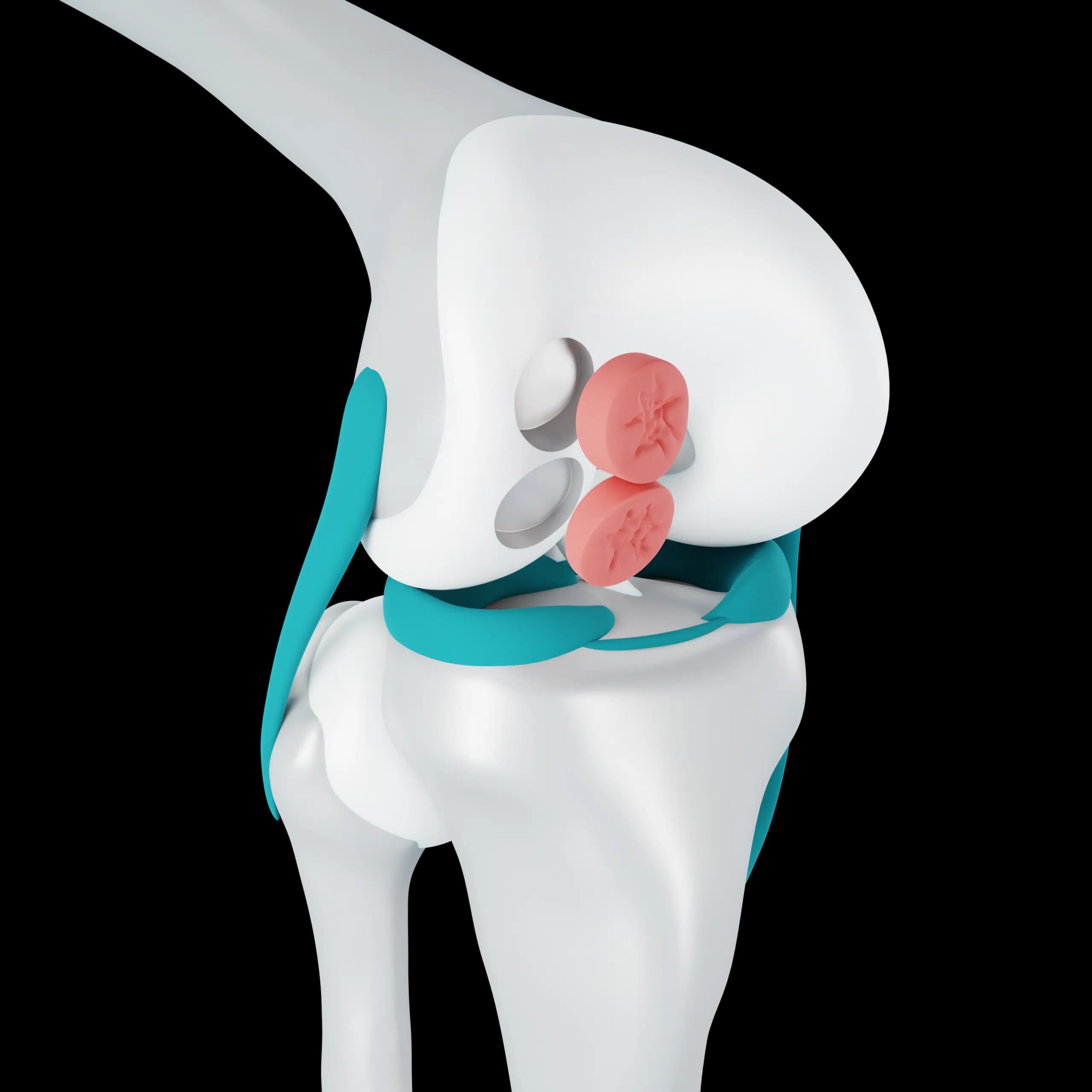
The medial patellofemoral ligament (MPFL) is a thin band on the inner side of the knee that connects the kneecap (patella) to the thigh bone (femur). It acts like a check rein, holding the kneecap in its groove as the knee starts to bend.
When the kneecap dislocates, it almost always slips to the outside and the MPFL tears or stretches. It often heals in a lengthened position, which is why many people dislocate again.
Who is it for?
Many people are treated without surgery after a first kneecap dislocation, with physiotherapy to strengthen the quadriceps and hip muscles. MPFL reconstruction is usually considered when:
- The kneecap has dislocated two or more times
- The knee feels unstable and the patient avoids sport or twisting because of fear it will pop out
- A first dislocation broke off a piece of cartilage or bone that needs fixing, so stabilisation is done at the same time
- The anatomy carries a high risk of recurrence, such as a shallow groove or a high-riding kneecap, especially in young athletes
It suits teenagers and adults. In children who are still growing, the technique is adapted to protect the growth plates.
Assessment before surgery
Dr. Gelber examines how the kneecap tracks, how loose it is and whether there is apprehension when it is pushed outwards. He also checks the hips, rotation of the legs and overall laxity.
X-rays and an MRI scan assess the shape of the groove (trochlear dysplasia), the height of the kneecap, the distance between the tibial tubercle and the groove, and any loose fragments or cartilage damage. These measurements decide whether MPFL reconstruction alone is enough, or whether it should be combined with another procedure, such as moving the tibial tubercle (tibial tubercle osteotomy) or, less often, deepening the groove.
How the operation is done
The operation is usually done under general or spinal anaesthesia and starts with a knee arthroscopy to check the cartilage and remove or fix any loose pieces.
A tendon graft, most commonly one of the patient's own hamstring tendons, is then attached to the inner edge of the kneecap and to the precise point on the femur where the natural MPFL attaches. Accurate positioning and tension matter: too tight, and the kneecap can become painful; too loose, and it may still dislocate. Fixation uses small anchors, screws or tunnels. Most patients go home the same day or the next day.
Recovery timeline
Rehabilitation is usually quicker than after ACL reconstruction. As a conventional guide:
- Weeks 0 to 2: brace and crutches, with weight bearing as comfort allows, ice and early movement
- Weeks 2 to 6: increasing bend, coming off crutches, quadriceps activation
- Weeks 6 to 12: normal walking, cycling, strength and balance work
- Months 3 to 4: running in a straight line
- Around 4 to 6 months: return to football, padel, basketball and other pivoting sport, once strength and confidence are restored
Timelines are longer when MPFL reconstruction is combined with an osteotomy or cartilage surgery. Students can usually return to school or university within one to two weeks; desk work is similar.
Risks
Risks include stiffness, pain at the front of the knee, recurrent instability, infection, blood clots and, rarely, a fracture of the kneecap at the fixation site. Most of these are uncommon and are reduced by careful graft positioning and a structured rehabilitation plan. Numbness around the incision is common and usually improves.
Life in Qatar after MPFL surgery
Young athletes in Qatar often want to know when they can return to school sport and club football. Rehabilitation in summer is usually done indoors or at cooler times of day. Kneeling for prayer returns gradually, typically once bend is near full and the scar is comfortable.
Dr. Gelber performs MPFL reconstruction at Aman Hospital in Doha. Costs depend on whether additional procedures are needed, the implants used and your insurance cover, so confirm details with Aman Hospital and your insurer.
Frequently asked questions
Is surgery needed after the first kneecap dislocation?
Usually not. Most first dislocations are treated with physiotherapy. Surgery is considered earlier when a fragment of bone or cartilage has broken off, or when imaging shows a high risk of further dislocations.
Can MPFL reconstruction be done in teenagers?
Yes. It is common in teenagers with recurrent dislocations. If the growth plates are still open, the technique is adapted so the femoral fixation avoids the growth plate.
Will I be able to kneel after MPFL reconstruction?
Most people can kneel again once rehabilitation is complete, though it can take several months to feel comfortable. Some notice sensitivity around the scar for a while.
Can my kneecap dislocate again after surgery?
It is uncommon, but possible, particularly with a significant fall or when underlying anatomy, such as a very shallow groove, was not addressed. Careful assessment before surgery aims to lower this risk.
Glossary
Patients also ask
- How long does it take to recover from MPFL reconstruction?
- MPFL reconstruction or physiotherapy after a kneecap dislocation: which do I need?
- MPFL reconstruction or tibial tubercle osteotomy: which one do I need?
- My kneecap has dislocated three times now. Do I need surgery?
- What are the risks of MPFL reconstruction?
- What is MPFL reconstruction surgery?
- When can I pray normally, kneel and sit on the floor after MPFL surgery?
Related