Article· 5 min read
ACL Injury Prevention in Football: Warm-Ups, Technique and What to Do After an Injury
 Dr. Pablo GelberOrthopaedic Knee Surgeon
Quick answer
Most ACL injuries in football happen without contact, during cutting, pivoting or landing with the knee collapsing inwards. Dr. Pablo Gelber, a knee surgeon in Doha, recommends structured neuromuscular warm-ups such as FIFA 11+, good landing and cutting technique, and prompt assessment in Qatar if a player feels a pop, swelling and instability.
How ACL injuries happen in football
Football is the most widely played sport in Qatar, from school pitches and academy training to adult leagues across Doha. It is also one of the sports most associated with anterior cruciate ligament (ACL) injuries.
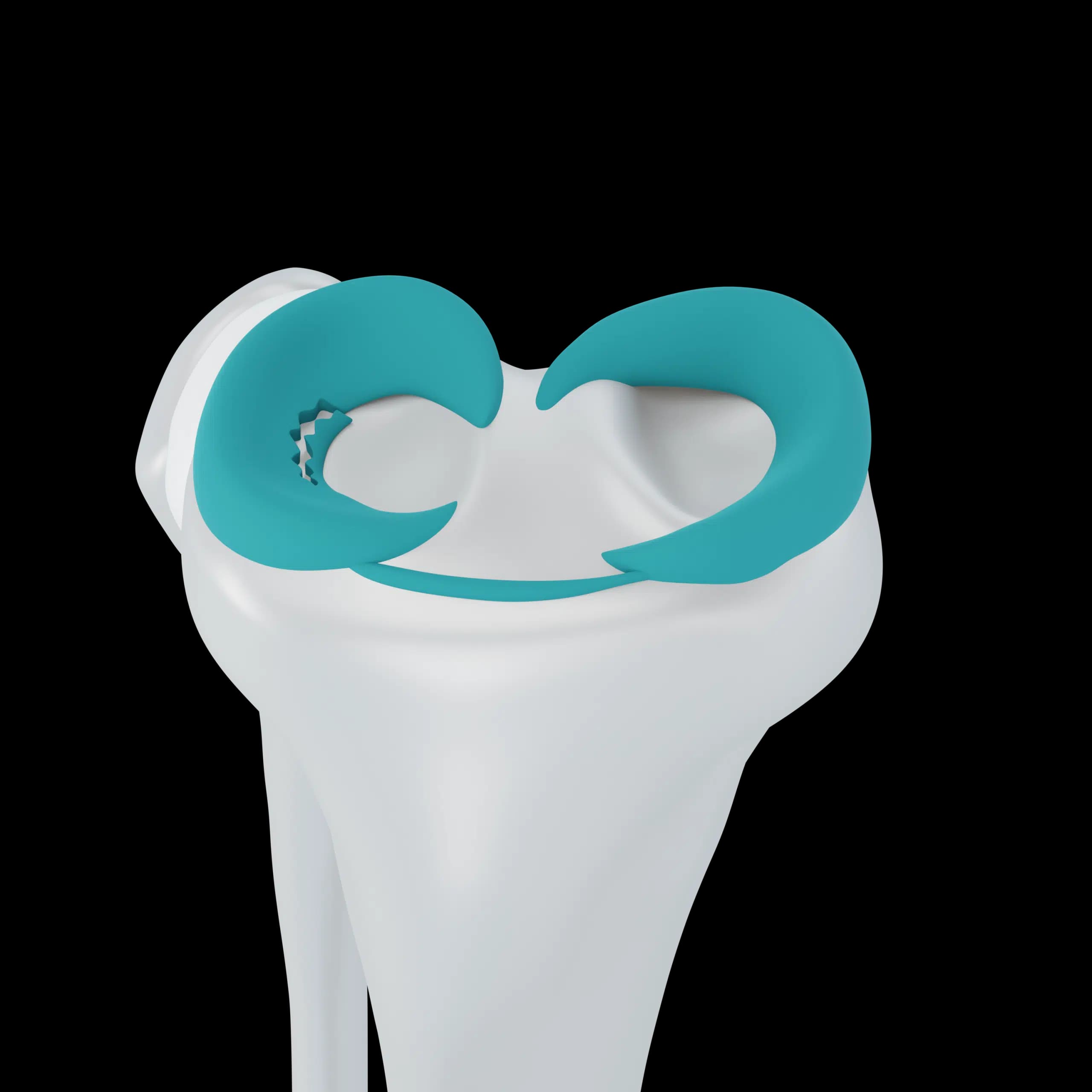
The ACL sits in the centre of the knee and controls forward movement and rotation of the shin bone. Most ACL injuries in football are non-contact. They usually happen when a player plants the foot and changes direction sharply, decelerates suddenly, or lands from a jump with the knee bent only slightly and drifting inwards. Fatigue, late in a match or a long training session, can make this movement pattern more likely. Contact injuries also occur, for example from a tackle to the side of the knee.
Neuromuscular warm-ups such as FIFA 11+
Injury prevention programmes for football have been studied for many years. The most widely known is FIFA 11+, a structured warm-up developed with sports medicine researchers and published by FIFA. It takes about 20 minutes and replaces a standard warm-up before training.
It is organised in three parts:
- Running exercises at low speed, combined with active stretching and controlled contact with a partner
- Strength, balance and plyometric exercises, such as squats, lunges, single-leg balance, jumping and landing, and hamstring strengthening, with progressive levels of difficulty
- Running exercises at higher speed, including planting and cutting movements
Studies of programmes like this have shown a reduction in knee and other lower limb injuries when teams use them regularly, at least twice a week through the season. The key is consistency: a programme performed occasionally provides much less protection. Coaches play a central role in making it part of every session.
Landing and cutting technique
Neuromuscular training works partly by changing how players move. Good technique spreads load across the hip, knee and ankle rather than concentrating it on the ligament.
- Land softly on the balls of the feet with hips and knees bent
- Keep the knee in line over the second toe, avoiding inward collapse
- Keep the trunk upright and controlled rather than leaning far to one side
- When cutting, lower the centre of gravity and take several short steps to decelerate rather than one abrupt plant
- Build hamstring and hip strength, which help control rotation of the knee
These patterns are easier to learn at a young age and should be practised until they become automatic.
Why youth and female players face higher risk
Research consistently shows that female footballers have a higher rate of ACL injury than male players in the same sport. The reasons are likely to be a combination of factors, including differences in movement patterns, muscle strength and activation, anatomy and possibly hormonal influences.
Adolescent players are also an important group. Rapid growth during puberty can temporarily affect coordination and control, and young athletes may be playing for several teams with little rest. For these reasons, prevention programmes are particularly recommended for girls' and women's teams and for youth academies. Starting good habits early may protect players throughout their sporting lives.
What to do right after a suspected ACL injury
Typical signs of an ACL tear are a pop at the moment of injury, being unable to continue playing, rapid swelling within a few hours and a feeling that the knee is unstable or gives way.
- Stop playing straight away; do not try to run it off
- Rest the leg, apply ice wrapped in a cloth, use a compression bandage and keep the leg raised
- Use crutches if walking is painful or the knee feels unstable
- Arrange an examination with a knee specialist, ideally within the first one to two weeks
- Avoid pivoting sports until a diagnosis is made, as further episodes of giving way can damage the meniscus and cartilage
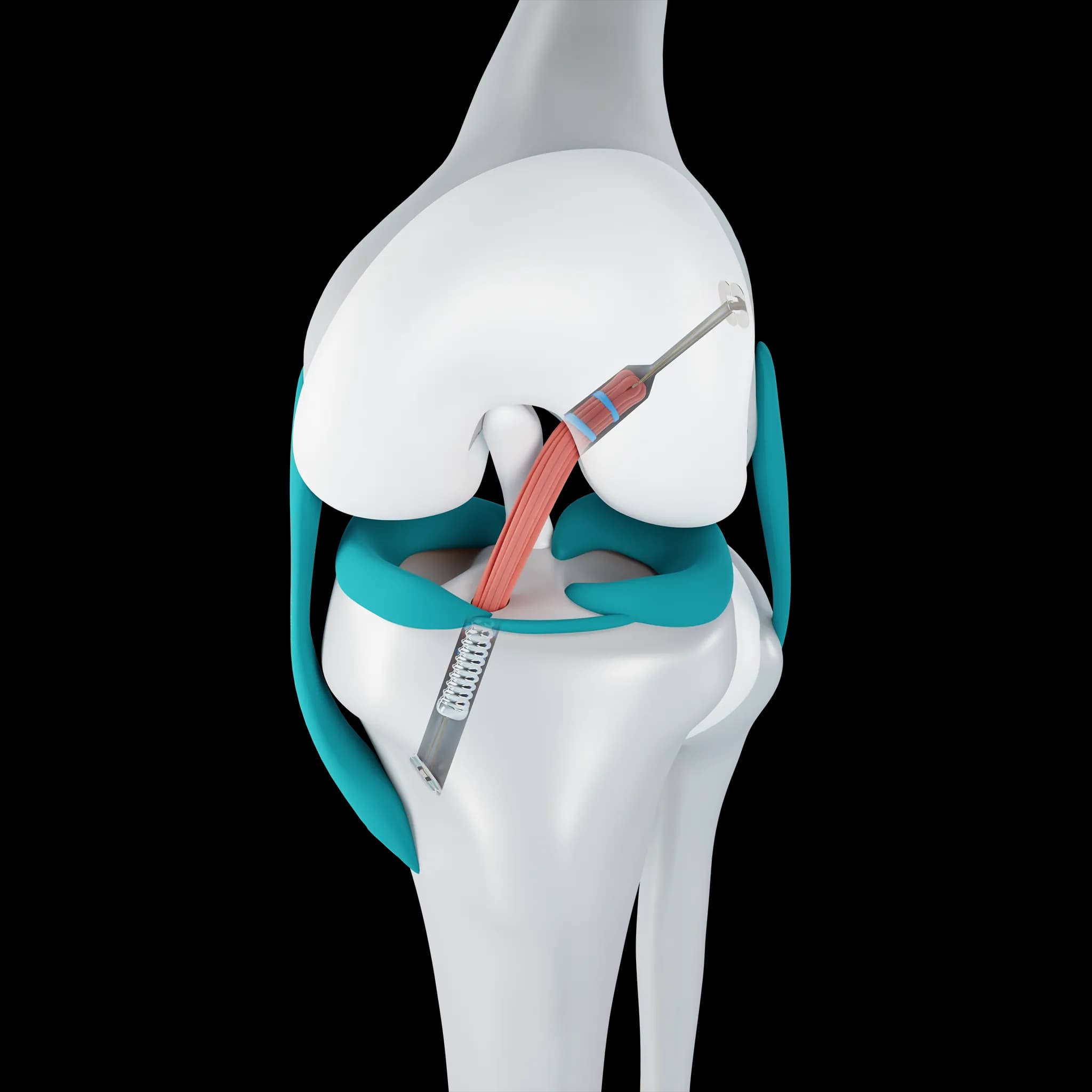
At Aman Hospital in Doha, Dr. Pablo Gelber assesses suspected ACL injuries with a clinical examination and usually an MRI scan to check the ligament, meniscus and cartilage. Some patients manage well with physiotherapy alone, while players who want to return to football often benefit from ACL reconstruction. The choice depends on an individual examination, your age, your sport and your goals.
Frequently asked questions
Can an ACL tear heal on its own?
A completely torn ACL does not usually heal back to its original strength. Some people regain good function with physiotherapy and adapt their activities, but players returning to cutting and pivoting sports such as football are usually advised to consider reconstruction.
Is FIFA 11+ suitable for children?
Yes. FIFA 11+ is designed for players from around 14 years of age, and a separate version, FIFA 11+ Kids, was developed for younger children. Coaches can adapt the exercises to the age and level of the group.
Can I still walk after an ACL tear?
Many people can walk within a few days of an ACL tear once the swelling settles, which is why the injury is sometimes underestimated. Being able to walk does not rule out a tear, so the knee should still be examined.
How long until I can play football again after ACL surgery?
Return to football after ACL reconstruction typically takes around nine to twelve months and depends on passing strength, hop and movement tests, not only on time since surgery.
Related