Procedures
PCL Reconstruction Surgery in Doha

Quick answer
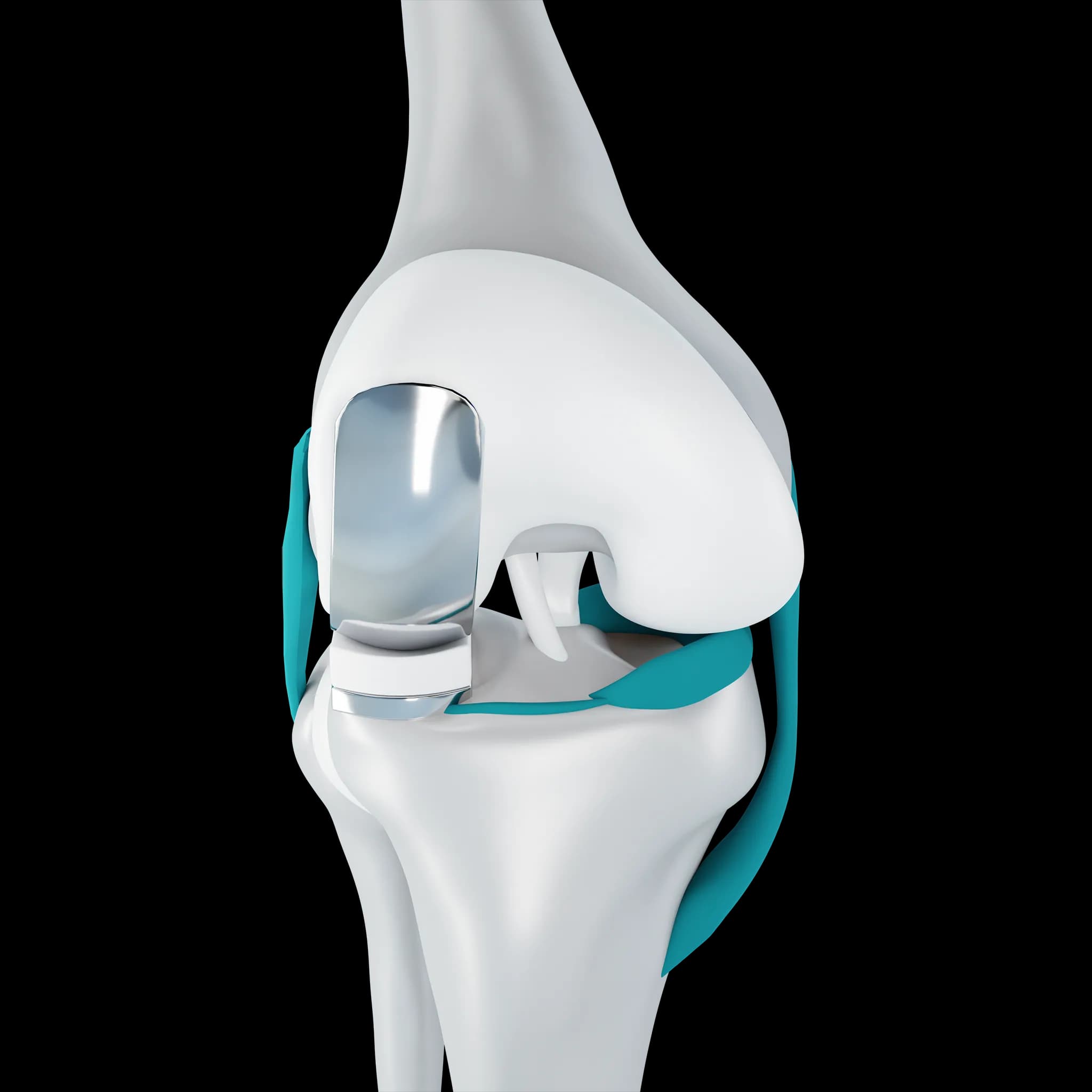
PCL reconstruction replaces a torn posterior cruciate ligament with a tendon graft, using keyhole surgery, to stop the shin bone sagging backwards. It is mainly offered for combined ligament injuries or for a PCL tear that stays unstable despite bracing and rehabilitation, explains Dr. Pablo Gelber, knee surgeon at Aman Hospital in Doha, Qatar.
Who needs PCL reconstruction?
Many PCL tears, especially isolated partial tears, heal well without surgery. Reconstruction is usually considered when:
- The PCL is torn together with other ligaments, such as the posterolateral corner, ACL or MCL
- A complete tear leaves a large backward sag on stress X-rays
- The knee remains unstable or painful on stairs, slopes or in sport despite a full course of bracing and physiotherapy
- The ligament has pulled off a fragment of bone, which can often be fixed back directly
The decision depends on examination, imaging, your work, sport and goals. Dr. Gelber discusses the non-surgical option alongside surgery.
Before surgery
Preparation usually includes an MRI scan, stress X-rays to measure the sag, and standing X-rays to check leg alignment. A slope of the tibia that tilts the wrong way, or significant bow legs, can increase strain on a PCL graft and may need to be addressed.
Physiotherapy before surgery aims to reduce swelling, restore full straightening and strengthen the quadriceps. Patients with diabetes are advised to optimise blood sugar control, and smokers to stop, as both affect healing.
How the operation is done
PCL reconstruction is performed arthroscopically, through small incisions, under general or spinal anaesthesia. The operation usually takes a few hours, longer when other ligaments are reconstructed at the same time.
The surgeon prepares tunnels in the thigh bone and shin bone at the natural attachment points of the PCL, passes the graft through them and fixes it with screws or suspension devices. The tibial attachment sits at the back of the knee close to the popliteal artery, so this step is done with particular care.
Graft options include the patient's own hamstring, quadriceps or patellar tendon, or a donor (allograft) tendon where available. Some surgeons use a single-bundle graft, others a double-bundle graft; the choice depends on the injury pattern and surgeon preference. Torn meniscus or other ligaments are addressed in the same session where possible.
Recovery timeline
PCL rehabilitation is slower and more protective than ACL rehabilitation, because gravity and the hamstrings both pull the tibia backwards and can stretch a new graft. As a conventional guide:
- Weeks 0 to 6: a brace that supports the back of the shin, crutches with partial weight bearing, and gentle range of motion, often lying face down
- Weeks 6 to 12: weaning off crutches, building quadriceps strength, cycling
- Months 3 to 6: progressive strengthening, balance and controlled hamstring work
- Months 6 to 9: running and agility drills
- Around 9 to 12 months: return to pivoting and contact sport, once testing allows
Desk work is often possible within two to six weeks. Driving depends on which leg was operated on and on safe control of the pedals. Manual work and labour on industrial sites usually take longer.
Risks
As with any knee surgery, risks include infection, bleeding, blood clots, stiffness and anaesthetic complications. Specific to PCL reconstruction are residual laxity, where some sag returns over time, and, rarely, injury to the popliteal artery or nerves behind the knee. Careful technique, accurate tunnel placement and a protective rehabilitation programme reduce these risks.
Stiffness is usually managed with physiotherapy, and occasionally needs a minor procedure to release scar tissue.
Life in Qatar after PCL surgery
In the early weeks, praying on a chair is usual, and a return to kneeling and sujood is gradual. Rehabilitation sessions in summer are usually done indoors or at cooler hours. Patients who fast in Ramadan should plan surgery timing, medication and hydration with their surgeon. Long flights in the first weeks need clot prevention advice.
Dr. Gelber performs PCL reconstruction at Aman Hospital in Doha. Costs depend on the procedure, implants, hospital stay and your insurance cover, so check details with Aman Hospital and your insurer.
Frequently asked questions
Is PCL surgery more difficult than ACL surgery?
It is technically more demanding because of the PCL's position at the back of the knee near major blood vessels and nerves, and rehabilitation is slower. It is performed less often than ACL reconstruction.
Will my knee be completely normal after PCL reconstruction?
Most patients have a more stable knee and fewer symptoms, but a small amount of sag often remains. The aim is a knee that works well for daily life, work and, where possible, sport.
Why do I need to avoid hamstring exercises after PCL surgery?
The hamstrings pull the shin bone backwards, which stresses the new graft. Hamstring strengthening is introduced gradually and later in rehabilitation, while quadriceps work starts early.
Can PCL reconstruction be done at the same time as other ligament surgery?
Yes. When the posterolateral corner, ACL or MCL are also torn, they are usually reconstructed in the same operation or in a planned second stage, so the knee is balanced.
Glossary
Patients also ask
- When can I fly home after PCL reconstruction in Qatar?
- How is PCL reconstruction surgery done?
- Is it true that PCL tears never need surgery?
- My knee still feels loose and sags backwards years after a PCL injury. Is surgery still an option?
- I was told I need PCL surgery after my accident, but I read most PCL tears heal. Why me?
- How long is recovery after PCL reconstruction, and why the special brace?
- PCL tear: reconstruction or a brace and physiotherapy?
- When can I return to football, padel or the gym after PCL reconstruction?
- What are the risks of PCL reconstruction?
Related