Patient question
Osteotomy or knee replacement: which makes sense in my 40s or 50s?
 Dr. Pablo GelberOrthopaedic Knee Surgeon

Quick answer
For a younger, active person with a bow-legged knee and wear limited to the inner side, an osteotomy keeps the natural joint and allows high activity, but recovery is slower. A replacement gives quicker, more predictable pain relief for advanced wear but has activity limits, explains Dr. Pablo Gelber, knee surgeon at Aman Hospital in Doha.
The core trade-off
An osteotomy is a joint-preserving operation. It changes how load passes through your own knee, so there are no implants inside the joint to wear out and fewer restrictions on impact activity once the bone has healed. The price is a longer recovery, since bone must heal, and pain relief that is usually good but less complete than a replacement when wear is advanced.
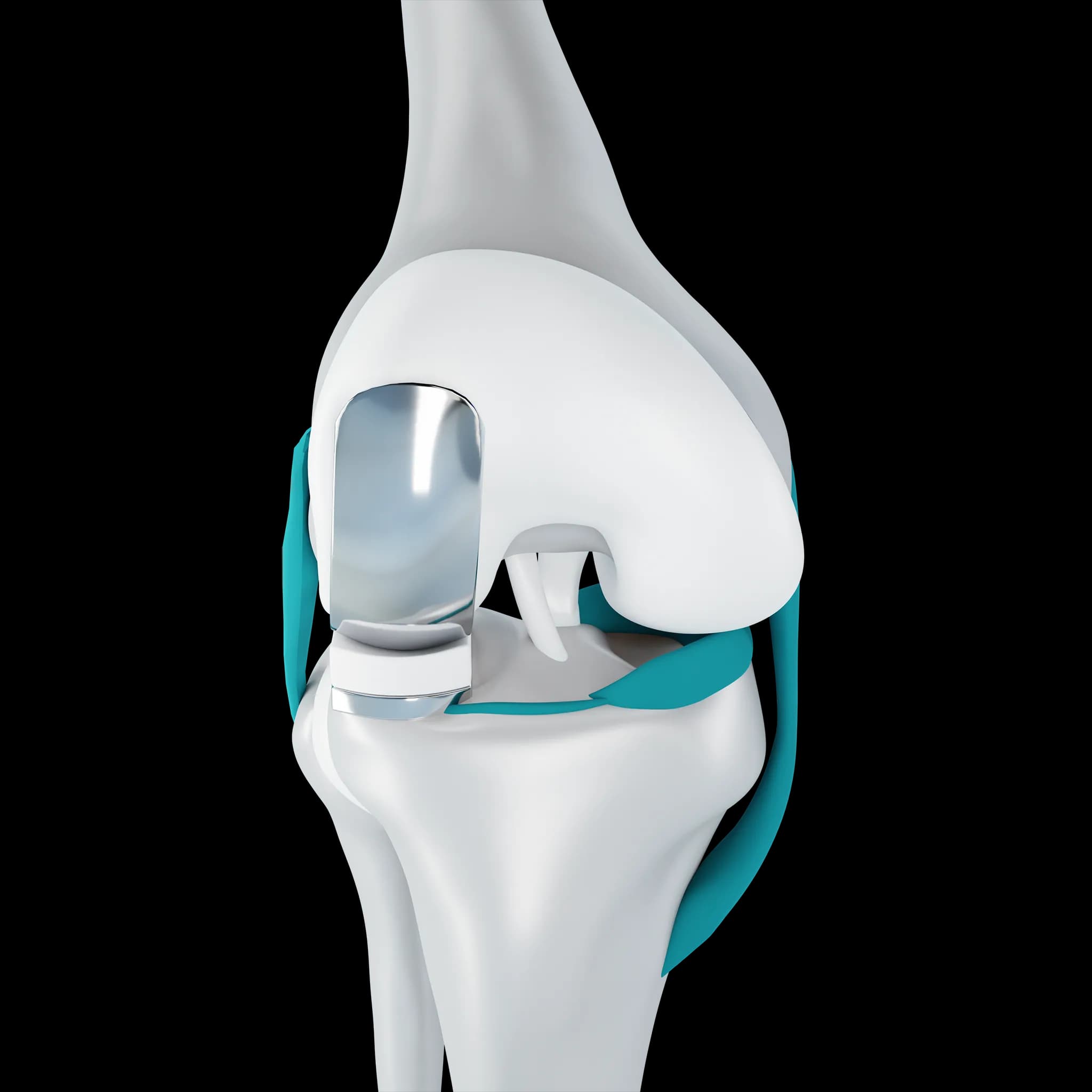
A partial or total knee replacement removes the worn surfaces. Pain relief is often more predictable for bone-on-bone arthritis, but high-impact running and contact sport are generally discouraged, and a younger patient may need revision surgery during their lifetime.
Side-by-side comparison
- Keeps your own cartilage and ligaments: osteotomy yes; partial mostly; total no
- Typical patient: osteotomy younger and active with moderate wear; partial one-compartment advanced wear; total widespread wear
- Crutches: osteotomy usually several weeks; replacements usually shorter
- Return to high-impact activity: more realistic after osteotomy
- Future options: an osteotomy can later be converted to a replacement if needed
What tips the balance
The deciding factors are how severe the wear is, how bowed the leg is, the state of the outer compartment and kneecap, ligament stability, your range of movement, smoking and weight, and above all what you want to do. A 42-year-old padel player with moderate inner-side wear and a clearly bowed leg is a classic osteotomy patient. A 58-year-old with bone-on-bone wear on one side and a straighter leg may do better with a partial replacement.
Getting a tailored opinion
There is rarely one right answer for every knee. At Aman Hospital in Doha, Dr. Gelber reviews long-leg alignment X-rays, MRI findings and your goals, and explains the expected recovery and long-term outlook of each option so you can choose with clear information.
Frequently asked questions
Does an osteotomy make a later knee replacement harder?
It can add some technical steps, such as removing the plate, but a knee replacement after osteotomy is commonly performed and usually works well.
How long does an osteotomy delay a replacement?
It varies. In well-chosen patients, an osteotomy can delay the need for a replacement for many years, and some never need one.
Related