Guide
Flying with a knee injury or after knee surgery
Quick answer
Flying soon after knee surgery or a serious knee injury raises the risk of blood clots, so timing depends on the operation and your own risk factors. Calf pain or swelling, chest pain or breathlessness after a flight need urgent care, advises Dr. Pablo Gelber, knee surgeon at Aman Hospital in Doha, Qatar.
Why flying matters for the knee
Qatar is home to many expatriates and a major travel hub, so many patients plan surgery around a trip home or need to travel soon after an injury. The concern is less the knee itself and more the leg veins. After surgery or a significant injury, the blood is more likely to clot, walking is reduced and the leg may be swollen. Sitting still for many hours in a cramped seat adds to that risk.
A deep vein thrombosis, or DVT, is a clot in a deep vein of the leg. Part of it can break off and travel to the lungs, called a pulmonary embolism, which is a medical emergency.
Usual timing after knee surgery
There is no single rule; surgeons balance the type of operation, the length of the flight and your personal risk. The ranges below are conventional guides only.
- Knee arthroscopy: short flights are often possible within a few days, and long-haul flights after around one to two weeks.
- ACL reconstruction or meniscus repair: many surgeons suggest waiting around two to six weeks before a long-haul flight, depending on mobility and swelling.
- Knee replacement: long-haul travel is commonly deferred for around six weeks, and sometimes longer, while the risk of clots is highest.
- Fractures treated with surgery: timing depends on the fracture and fixation and is decided case by case.
Your risk is higher if you have had a clot before, have a strong family history, are pregnant, take hormonal medication, have cancer, are significantly overweight or are older. Always confirm the date with your surgeon before booking.
Flying with a new knee injury
If you have injured your knee and need to travel, have it assessed first to exclude a fracture or a dislocation that needs early treatment. Many ligament and meniscus injuries can travel safely and be treated later, but ask about clot prevention if your walking is very limited.
Keep copies of any X-ray or MRI reports and images, and the doctor's notes, in your hand luggage so your next doctor can review them. Airlines may have their own rules for passengers with casts, large braces or recent surgery, so check before you fly.
Reducing the risk of clots on the flight
- Ask your surgeon whether you need a blood-thinning medicine or injection for the journey, and take it exactly as prescribed.
- Wear graduated compression stockings if they have been recommended.
- Drink water regularly and limit alcohol and very salty food.
- Do ankle pumps and circles every 20 to 30 minutes while seated.
- Walk up and down the aisle when it is safe, roughly every hour on long flights.
- Avoid sleeping for many hours in one position, and avoid sleeping tablets unless prescribed.
Comfort and practical planning
Book an aisle seat so you can stretch the leg and get up easily. A seat with extra legroom helps if your knee does not bend fully. Request wheelchair or assistance services through the airline in advance; Hamad International Airport and most large airports can help you between check-in and the aircraft.
Keep crutches with you, since they can usually be stored on board. If you wear a hinged brace, ask your surgeon whether it can be unlocked during the flight. Pack painkillers and any blood thinner in your hand luggage, with a copy of your prescription, and plan for help with bags at both ends.
Red flags after a flight
Seek urgent medical care if you develop any of the following in the days or weeks after travel, especially after recent surgery or injury:
- Pain, tenderness or cramping in the calf or thigh that does not ease.
- Swelling of one leg, particularly if it is warm or red.
- Sudden breathlessness, chest pain that is worse on breathing in, a racing heart, coughing blood or fainting.
In Qatar, call 999 for chest pain or breathlessness. If you are abroad, use the local emergency number and tell the doctors that you have had recent knee surgery or injury.
Frequently asked questions
How soon can I fly home after knee replacement in Doha?
Long-haul flights are commonly deferred for around six weeks, and sometimes longer, depending on your recovery and clot risk. Short flights may be considered earlier. Confirm with your surgeon before booking.
Do I need a blood thinner for the flight?
It depends on the operation, the length of the flight and your personal risk factors. Your surgeon will advise whether you need one and for how long.
My knee swells on long flights. Is that normal?
Mild swelling of the feet and ankles is common on long flights. Swelling of one leg with calf pain is not, and needs urgent assessment to exclude a clot.
Can I fly with a torn ACL?
Usually yes, once a fracture has been excluded. Wear a brace if advised, use crutches if needed, and keep your ankles moving during the flight.
Should I have surgery in Doha just before a planned trip?
It is usually better to leave a gap. Discuss your travel dates with your surgeon so the operation can be timed with enough recovery before a long flight.
Related
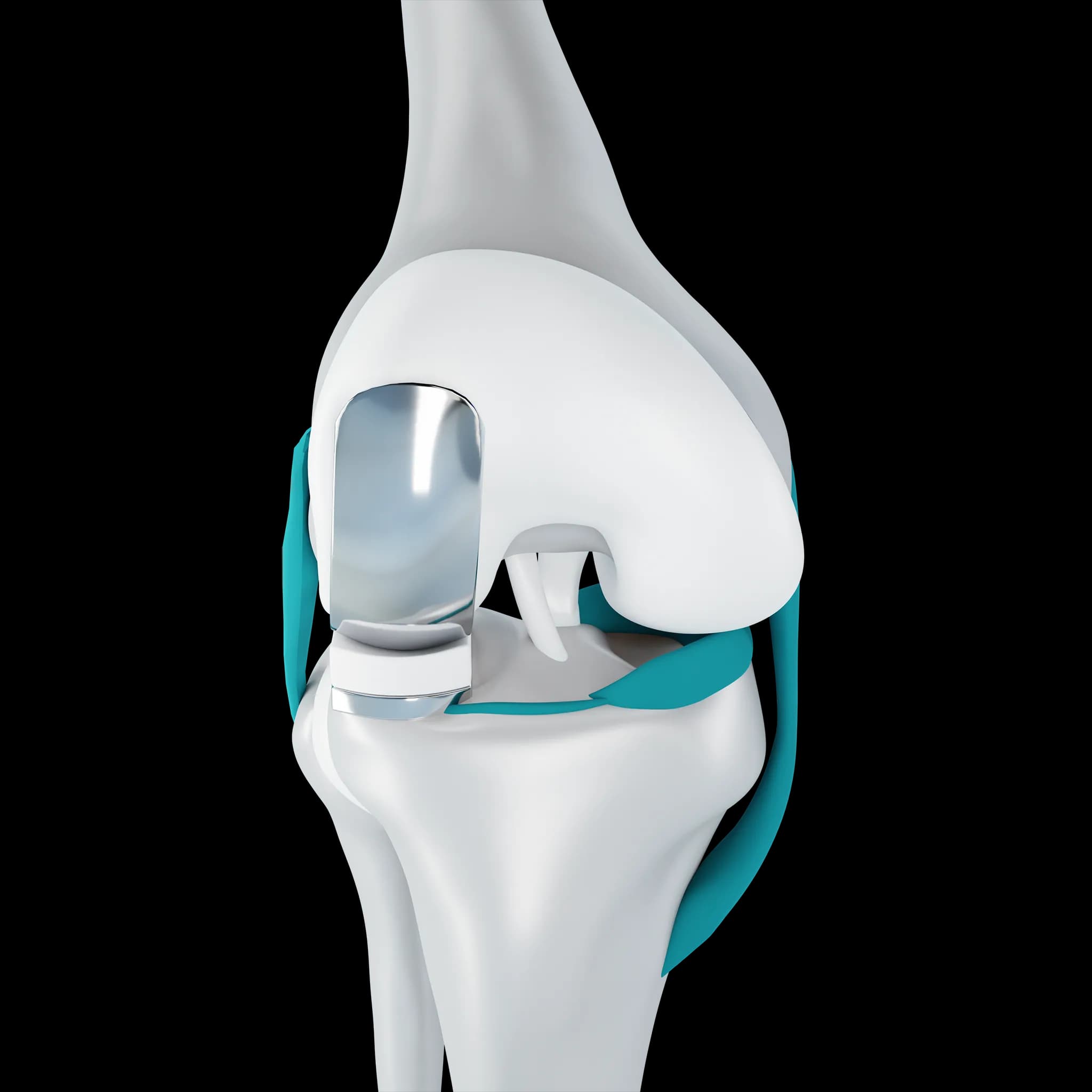 Patient questionWhen can I fly home after a knee replacement in Doha?
 Patient questionWhen can I fly home after ACL reconstruction?
 Patient questionCan I fly home soon after knee arthroscopy?
 Patient questionI have pain behind my knee and a swollen calf after a long flight. Could it be a clot?
- ProceduresKnee Replacement Surgery in Doha