Patient question
How do I protect the rest of my knee after a partial knee replacement?
 Dr. Pablo GelberOrthopaedic Knee Surgeon
Quick answer
After a partial knee replacement, the natural cartilage in the rest of the knee still needs looking after. Keeping a healthy weight, strengthening the thigh and hip muscles, choosing low-impact activity and attending regular check-ups help protect both the implant and the untouched compartments, advises Dr. Pablo Gelber, knee surgeon at Aman Hospital in Doha, Qatar.
Why the rest of the knee matters
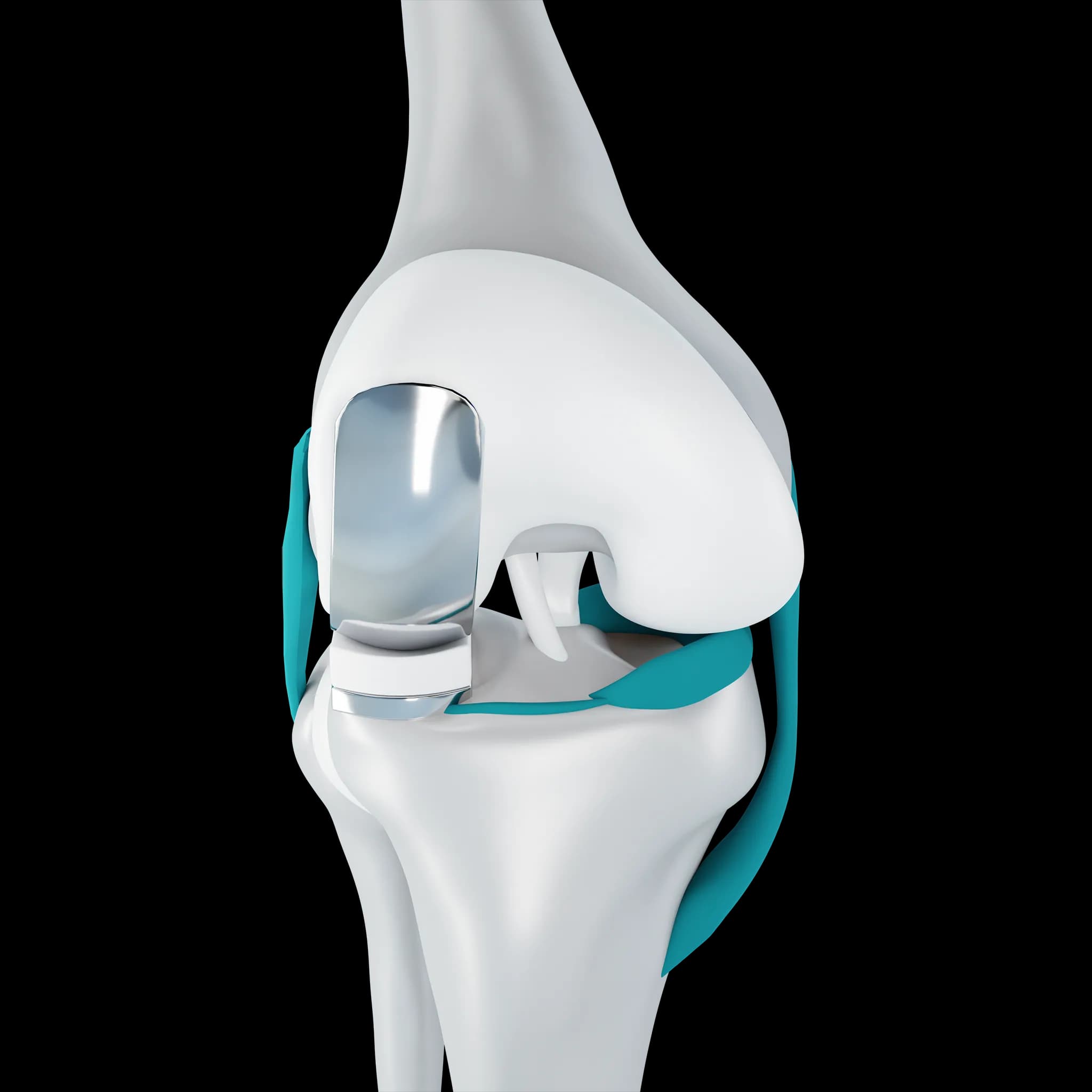
A partial replacement resurfaces one compartment and keeps the others. The commonest reasons a partial knee eventually needs converting to a total are arthritis progressing in another compartment and wear or loosening of the implant. Both are influenced by the load going through the knee over the years.
Load and weight
Body weight is the factor you can change most. Every kilogram lost reduces the load across the knee during walking and stairs. If you put on weight during the recovery period, which is common, a gradual return to a healthier weight over the following year is worth the effort. A dietitian can help, particularly if you also have diabetes.
Strength and activity
- Keep doing quadriceps, hip and calf exercises two or three times a week, long after rehabilitation ends
- Walk, cycle, swim and use the cross-trainer regularly
- Limit repeated jumping, running on hard surfaces and contact sport
- Use a stool or knee pad for gardening or work that involves kneeling
- In the Qatar summer, move exercise indoors rather than stopping it
Regular review
Problems in the other compartments or around the implant can develop slowly and without much pain at first. Periodic follow-up with X-rays lets them be found early. Contact the team sooner if you develop new pain on the other side of the knee or behind the kneecap, recurrent swelling, a sense of instability, or a hot and swollen knee, which can signal infection.
Long-term follow-up in Doha
At Aman Hospital, Dr. Gelber reviews partial knee replacements over the long term, including those done abroad. If arthritis does progress, converting to a total knee is usually straightforward, but the aim is to keep your partial knee working for as long as possible.
Frequently asked questions
Will my partial knee definitely need converting one day?
No. Many partial knees last for the rest of the patient's life, particularly in older patients. The chance depends on age, activity and how the rest of the knee behaves.
Do I need antibiotics before dental work?
This is decided case by case. Tell your dentist you have a joint replacement, keep your teeth healthy, and have infections treated promptly.
Related