Patient question
Will I get arthritis after a tibial plateau fracture?
 Dr. Pablo GelberOrthopaedic Knee Surgeon

Quick answer
Some people do. Because the fracture runs into the joint, the cartilage may be damaged at the time of injury, and any remaining step, malalignment or instability adds wear over the years. Many never develop troublesome arthritis, and effective treatments exist for those who do, says Dr. Pablo Gelber, knee surgeon at Aman Hospital in Doha.
Why the risk is higher
Post-traumatic arthritis is wear of the joint that follows an injury rather than ageing alone. In a plateau fracture, the force of the injury can bruise or crack the cartilage even if the bone is perfectly repaired.
Other factors add to it: a joint surface that healed with a step, a leg that healed slightly bowed or knock-kneed, a damaged or removed meniscus, and persisting ligament laxity. Older age and higher body weight also play a part.
What helps protect the knee
- Restoring the joint surface and leg alignment as accurately as possible at the time of treatment
- Preserving or repairing the meniscus where feasible
- Completing rehabilitation to rebuild quadriceps and hip strength
- Maintaining a healthy body weight
- Choosing lower-impact activities such as cycling, swimming and walking if the knee is sensitive to running or jumping
Signs to look out for
Arthritis usually develops gradually, sometimes years later. Warning signs include an ache with walking or stairs, stiffness in the morning or after sitting, swelling after activity, grinding, and the leg slowly becoming more bowed or knock-kneed. Pain at night or a knee that feels unstable deserves review sooner.
Treatment options if arthritis develops
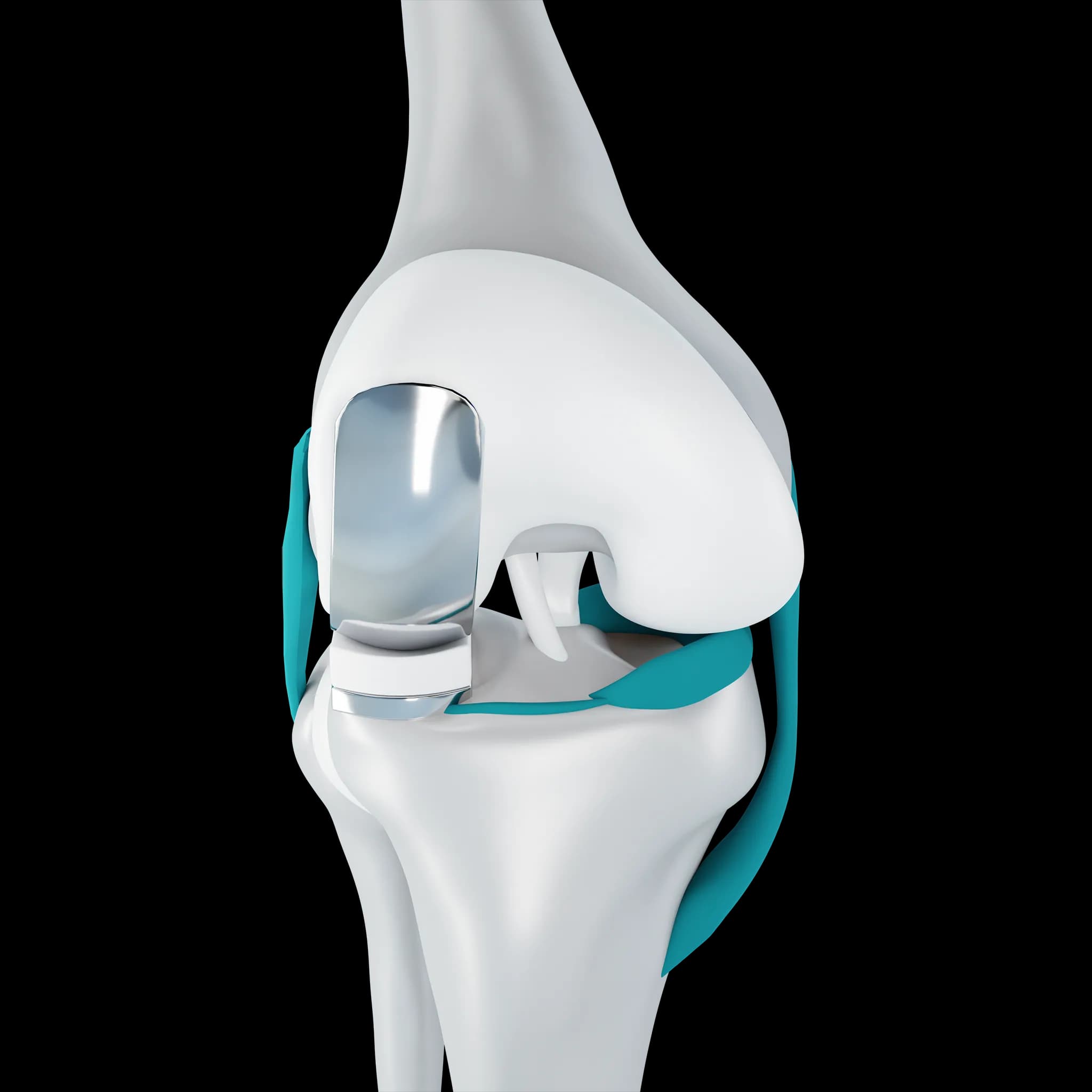
Treatment follows the same stepwise approach as other knee arthritis: exercise, weight management, pain relief and sometimes injections. When one side of the knee is worn because the leg has healed out of line, a realignment osteotomy may unload it. In advanced cases, partial or total knee replacement is an option, and planning takes into account any plates and screws still in place.
At Aman Hospital in Doha, Dr. Gelber assesses knees with a previous fracture, reviews old and new imaging, and discusses which option suits your age, activity level and goals.
Frequently asked questions
My fracture was years ago and the knee has started hurting. Is it related?
It may be. A previous plateau fracture is a common background to knee arthritis. An examination and standing X-rays can show whether wear or alignment is the cause.
Can I have a knee replacement if I still have metal in my leg?
Usually yes. The existing implants are taken into account during planning and may be removed at the same operation or beforehand if they are in the way.
Related