Patient question
When does knee osteochondritis dissecans need surgery, and what is done?
 Dr. Pablo GelberOrthopaedic Knee Surgeon
Quick answer
Surgery is usually advised when an OCD lesion is unstable or loose, when it has not healed after several months of rest, or when the growth plates have closed. The aim is to save the patient's own fragment whenever possible, explains Dr. Pablo Gelber, who treats young athletes with OCD at Aman Hospital in Doha.
Reasons surgery is considered
- The fragment is unstable on MRI or at arthroscopy, or has come loose
- The knee locks, catches or keeps swelling
- A stable lesion has not healed despite well-followed rest, usually after several months
- The patient is near or past the end of growth, when spontaneous healing is less likely
- The lesion is large or on a heavily loaded area
The main surgical options
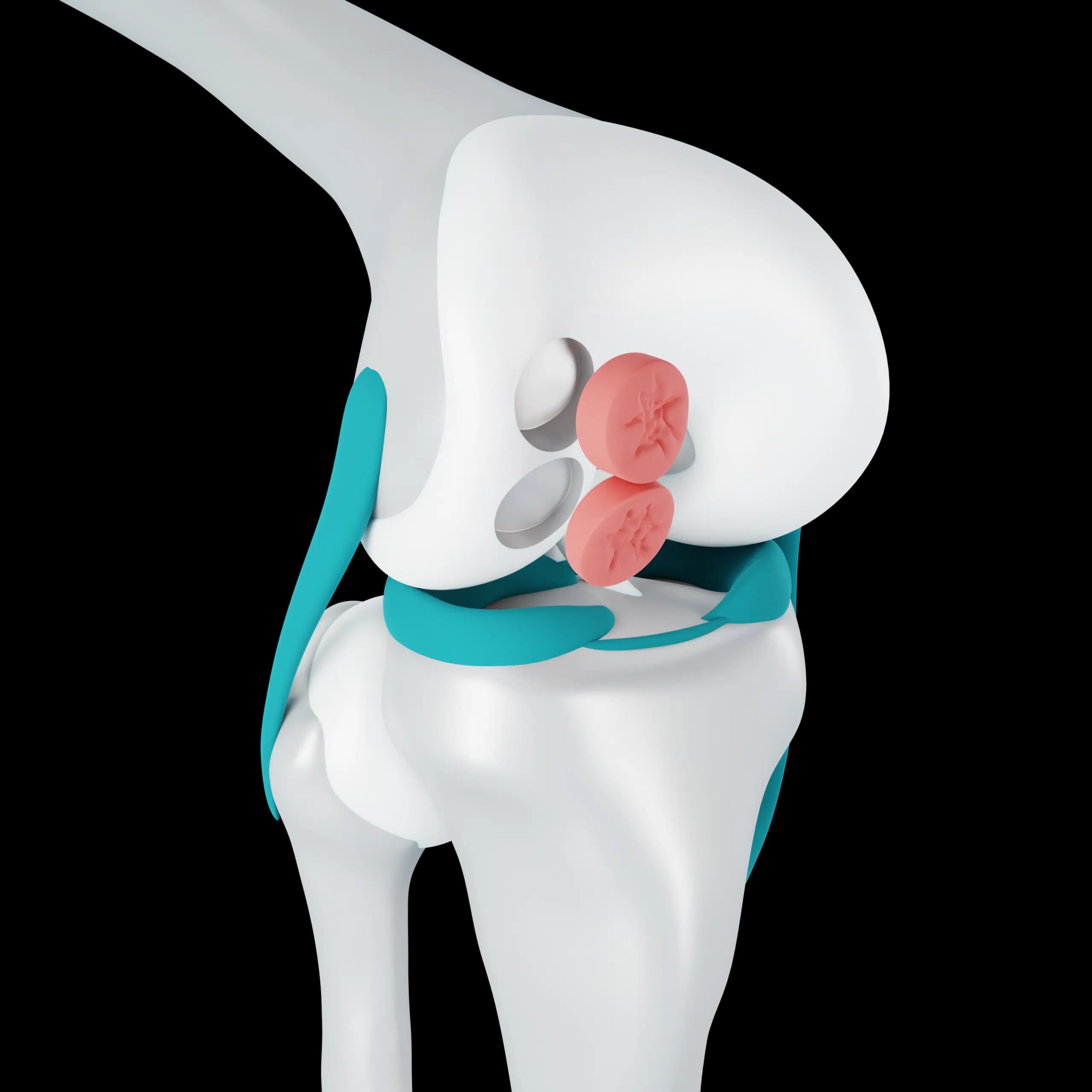
- Drilling: for a stable lesion that is slow to heal, small channels are made into the weakened bone, usually by arthroscopy, to bring in a fresh blood supply
- Fixation: an unstable but healthy fragment is held in place with screws or pins, some of which dissolve; metal screws may be removed later in a second short operation
- Removal of a loose body: if the fragment is broken or cannot be saved, it is taken out
- Cartilage restoration: when the fragment cannot be saved and leaves a defect, it may be filled with an osteochondral graft or another restoration technique, depending on size and the options available
Recovery after surgery
After drilling, a short period on crutches is usual, followed by gradual return to activity once healing is seen on scans. After fixation or restoration, protected weight-bearing for around six weeks is common, with return to impact sport usually considered from around four to six months for drilling or fixation, and later after restoration. Timelines vary with the lesion and the procedure.
Deciding together
For a young patient, surgery affects school, sport and family plans. At Aman Hospital in Doha, Dr. Gelber goes through the scan findings with the teenager and the parents, explains why surgery is or is not recommended, and what each option means for the months ahead.
Frequently asked questions
Is the surgery done through keyhole incisions?
Drilling and many fixations are done arthroscopically. Larger lesions, or restoration procedures, may need a small open incision.
Can the fragment heal after it has been fixed?
Yes, in many cases a fixed fragment unites with the bone underneath, particularly in younger patients. Follow-up scans check this.
Related
