Patient question
What are the signs of knee OCD, and how do I know if a piece has come loose?
 Dr. Pablo GelberOrthopaedic Knee Surgeon
Quick answer
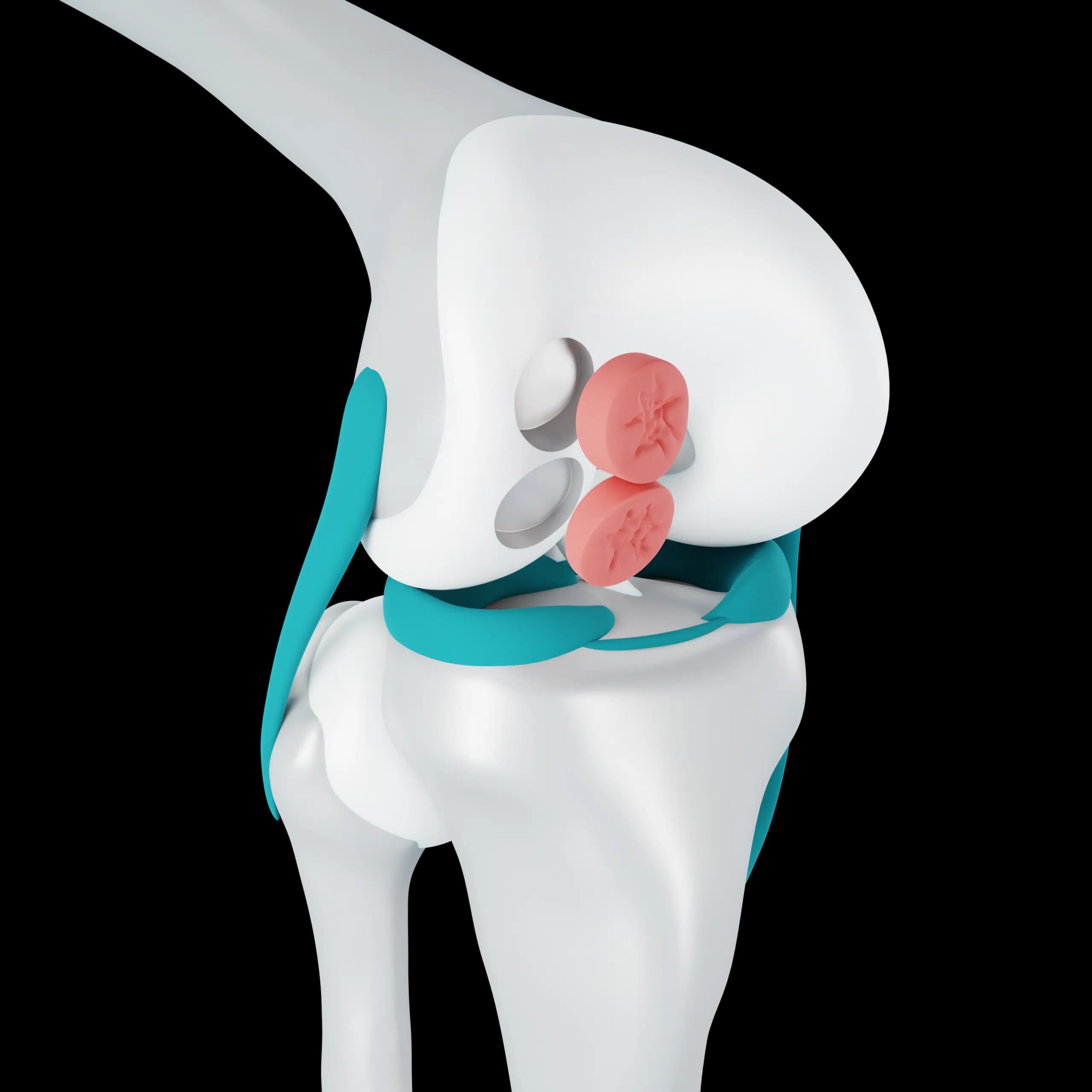
Early knee OCD usually causes a vague ache with activity and occasional swelling. Catching, clicking with pain, a knee that gets stuck and then frees itself, or a knee that suddenly will not straighten suggest the fragment may be unstable or loose, explains Dr. Pablo Gelber, knee surgeon at Aman Hospital in Doha, Qatar.
Early symptoms
- An ache, often on the inside or front of the knee, that comes on with running, jumping or sport
- Mild swelling after activity
- Pain that eases with rest and returns with training
- Sometimes a slight limp after matches
Because these symptoms are mild and come and go, early OCD is easily mistaken for growing pains or a simple strain. Pain that keeps returning over several weeks deserves an assessment.
Signs the fragment may be unstable or loose
- Catching or a painful clunk with movement
- The knee locks, gets stuck at an angle, and then frees with a wiggle
- Repeated or larger swelling
- The knee giving way
- A feeling of something moving inside the joint
These do not always mean a loose piece, as meniscus problems can cause similar feelings, but they need prompt review.
When to seek urgent care
If the knee locks and cannot be straightened, or the child cannot bear weight, seek same-day assessment. Fever with a hot, swollen knee needs emergency care, as it can mean infection, which is a separate and urgent problem.
How the diagnosis is confirmed in Doha
OCD can be missed on standard X-ray views, so a tunnel view is often added, and MRI shows whether the fragment is stable. At Aman Hospital, Dr. Gelber examines the knee, reviews the images with the family, and explains whether the symptoms fit a stable or unstable lesion.
Frequently asked questions
Can OCD be present with no symptoms?
Yes. It is sometimes found by chance on an X-ray done for another reason. Even then, it is usually monitored, as it may still need activity changes.
Are growing pains ever in one knee only?
Typical growing pains affect both legs, often at night, and do not cause swelling or limping. Pain in one knee with sport and swelling should be checked.
Related
