Patient question
What is osteochondritis dissecans in a teenager's knee?
 Dr. Pablo GelberOrthopaedic Knee Surgeon
Quick answer
Osteochondritis dissecans is a condition in which a small area of bone just beneath the joint cartilage loses its blood supply and weakens, so the bone and its cartilage may crack or loosen. It mostly affects active children and teenagers, and many cases heal when caught early, explains Doha knee surgeon Dr. Pablo Gelber.
What is happening inside the knee
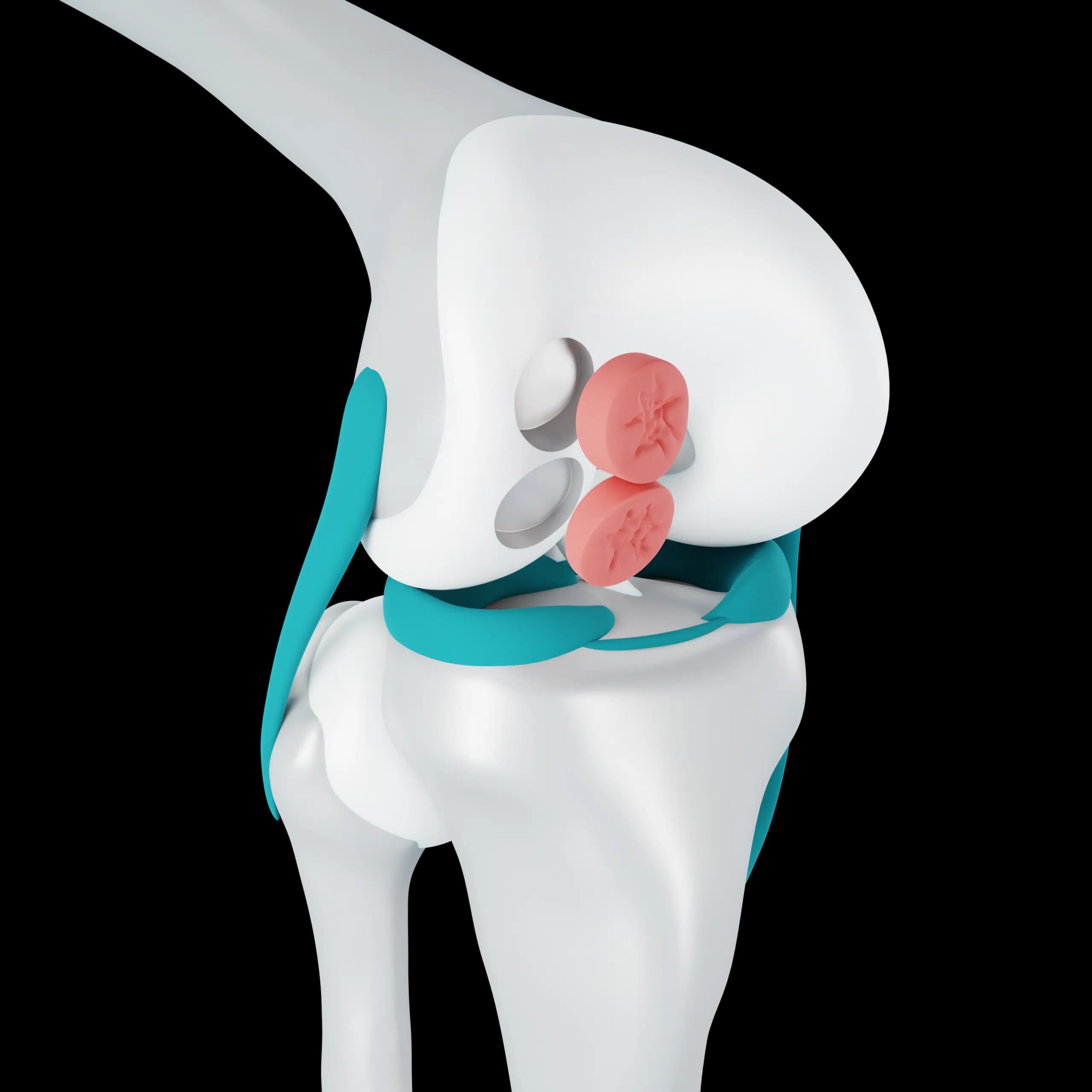
The ends of the bones in the knee are covered with cartilage, supported by a layer of bone underneath. In osteochondritis dissecans, often shortened to OCD, a patch of that supporting bone becomes weak. At first the cartilage on top is usually intact. If the area does not heal, it can separate partly or completely, and a loose fragment may float in the joint.
It is not an infection and has nothing to do with obsessive-compulsive disorder, despite sharing the same initials.
Who gets it
OCD of the knee is most often seen between about 10 and 20 years of age, in children who play a lot of sport. The most common place is the inner knob at the end of the thigh bone, but it can also affect the outer side or the back of the kneecap. Sometimes both knees are involved, so the other knee may be checked too.
Why age matters so much
Children whose growth plates are still open have a much greater ability to heal OCD without surgery. Once the skeleton has finished growing, lesions are less likely to heal on their own and are more often treated surgically. This is why a teenager with persistent knee pain should be assessed rather than waiting for it to pass.
How it is diagnosed and treated in Doha
Diagnosis usually involves an examination, X-rays including a special tunnel view, and an MRI to see whether the fragment is stable. Treatment ranges from a period of reduced activity to surgery to fix or replace the fragment. At Aman Hospital, Dr. Gelber explains the findings to both the young patient and the parents and plans treatment together with them.
Frequently asked questions
Is OCD the same as Osgood–Schlatter disease?
No. Osgood–Schlatter causes pain and a bump below the kneecap where the tendon attaches, and it settles with growth. OCD affects the joint surface inside the knee and needs closer monitoring.
Will my child get arthritis later?
When a lesion heals well, the long-term outlook is generally good. A fragment that comes loose and is not repaired can increase the risk of joint problems later, which is why early treatment matters.
Related
