Patient question
Why did my child get osteochondritis dissecans? Was it something we did?
 Dr. Pablo GelberOrthopaedic Knee Surgeon
Quick answer
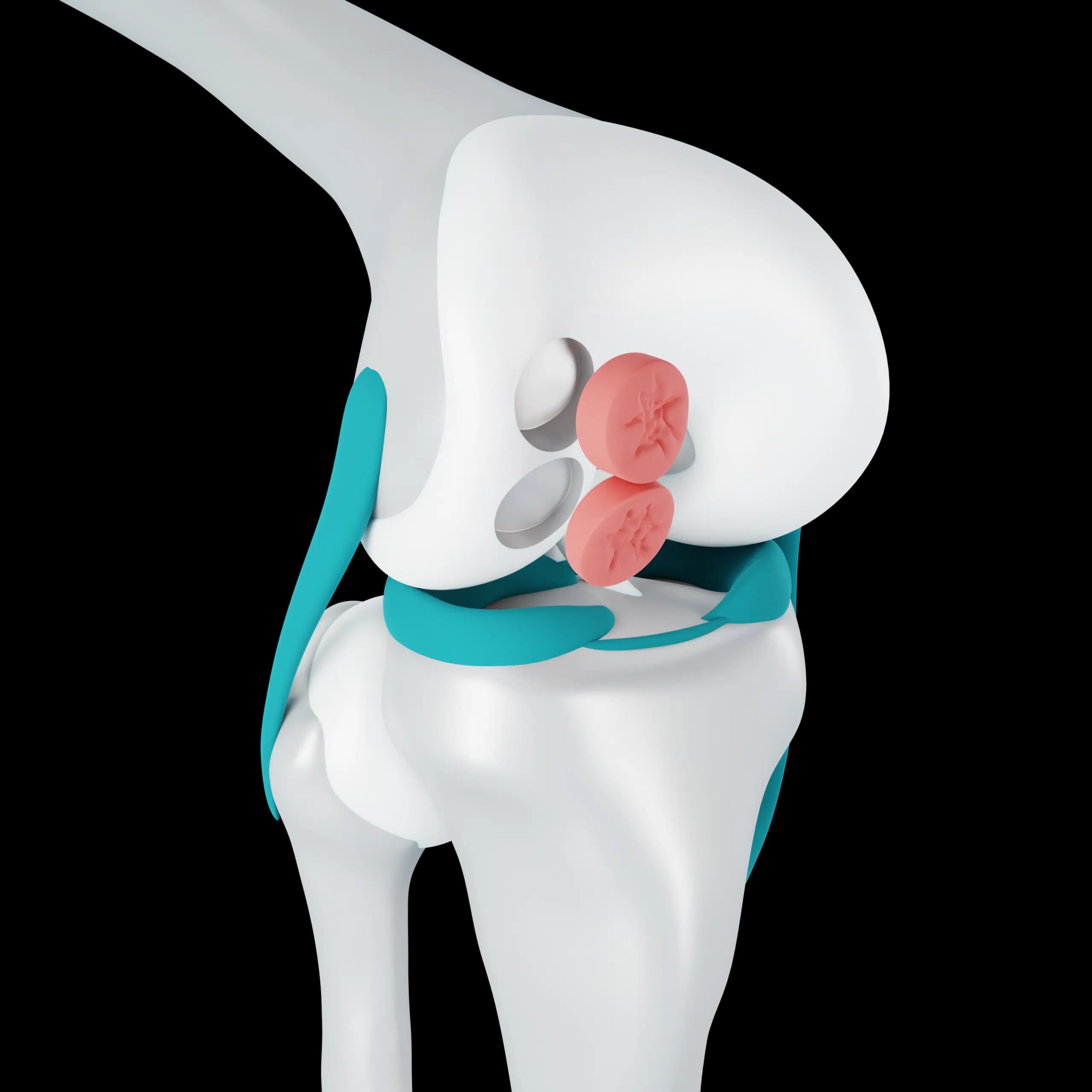
The exact cause of osteochondritis dissecans is not fully understood. Repetitive stress from sport on a growing bone is thought to play a major part, with genetics, blood supply and bone development also contributing. It is rarely something parents could have foreseen or prevented, reassures Dr. Pablo Gelber, knee surgeon at Aman Hospital in Doha.
The leading explanations
- Repetitive microtrauma: thousands of impacts from running, jumping and pivoting may cause tiny stress injuries in the bone beneath the cartilage
- Blood supply: the affected area may have a more limited blood supply, which makes healing slower
- Bone development: the area may be where growing cartilage turns into bone, a zone that can be vulnerable during growth spurts
- Genetics: OCD sometimes runs in families, and a small number of children have it in several joints
Who seems more at risk
OCD of the knee is more often seen in children and teenagers who train intensively in one sport, particularly with running, jumping or cutting, such as football and basketball. Boys have traditionally been affected more often, although more girls are now diagnosed as participation in sport grows. A discoid meniscus on the outer side can be linked with OCD on that side.
Was it something we did?
Sport is good for children, and most active children never develop OCD. Parents often worry that they pushed their child too hard, but there is no simple training threshold that causes it, and many cases appear in children with ordinary activity levels. What matters now is recognising it and treating it appropriately.
What may lower the risk
- Avoiding year-round training in a single sport without breaks
- Planning rest days and lighter weeks, especially during growth spurts
- Not ignoring knee pain that keeps returning with sport
- Strength and movement training as part of a balanced programme
If your child has persistent knee pain, Dr. Gelber can assess them at Aman Hospital in Doha and explain the findings to the whole family.
Frequently asked questions
Should my other children be checked?
Routine screening of siblings is not usually needed. If a brother or sister develops persistent knee pain with sport, mention the family history to their doctor.
Can adults get OCD?
Yes, though less often. In adults it is often a lesion that began in adolescence and did not heal, and it is less likely to heal without surgery.
Related
