Patient question
My mother is 70 and can't pray standing anymore because of her knees. What can we do?
 Dr. Pablo GelberOrthopaedic Knee Surgeon

Quick answer
Losing the ability to stand for prayer or kneel for sujood is a common turning point in knee osteoarthritis, and it can often be improved. Strengthening, pain control, a walking aid, injections and, for some, knee replacement can restore much of daily life, explains Dr. Pablo Gelber, knee surgeon at Aman Hospital in Doha.
Why prayer becomes difficult first
Standing for a full prayer, bending into rukoo, kneeling for sujood and rising again load the knee through a large range of bending, often many times a day. Arthritic knees struggle most with deep bending and with getting up from a low position, so prayer, floor sitting in the majlis and using a low toilet are often the first activities to suffer.
Weak thigh muscles make this worse. Many older people sit more as their knees hurt, the muscles weaken, and rising becomes harder still. Breaking that cycle is a large part of treatment.
Practical help at home now
- Praying seated on a chair removes deep bending when standing or prostrating is difficult (the ruling can be discussed with a scholar); a stable chair with arms makes rising safer
- A firm, higher chair, a raised toilet seat and grab rails reduce strain and the risk of falls
- A walking stick held in the hand opposite the painful knee takes load off the joint
- Simple paracetamol or an anti-inflammatory gel can help; tablets such as ibuprofen are not suitable for everyone, so ask her doctor first
- Gentle daily exercise, such as sit-to-stand from a chair and short walks indoors, keeps her muscles working
- Keep floors clear and lighting good at night, especially on the way to the bathroom for wudu
Treatment options to discuss
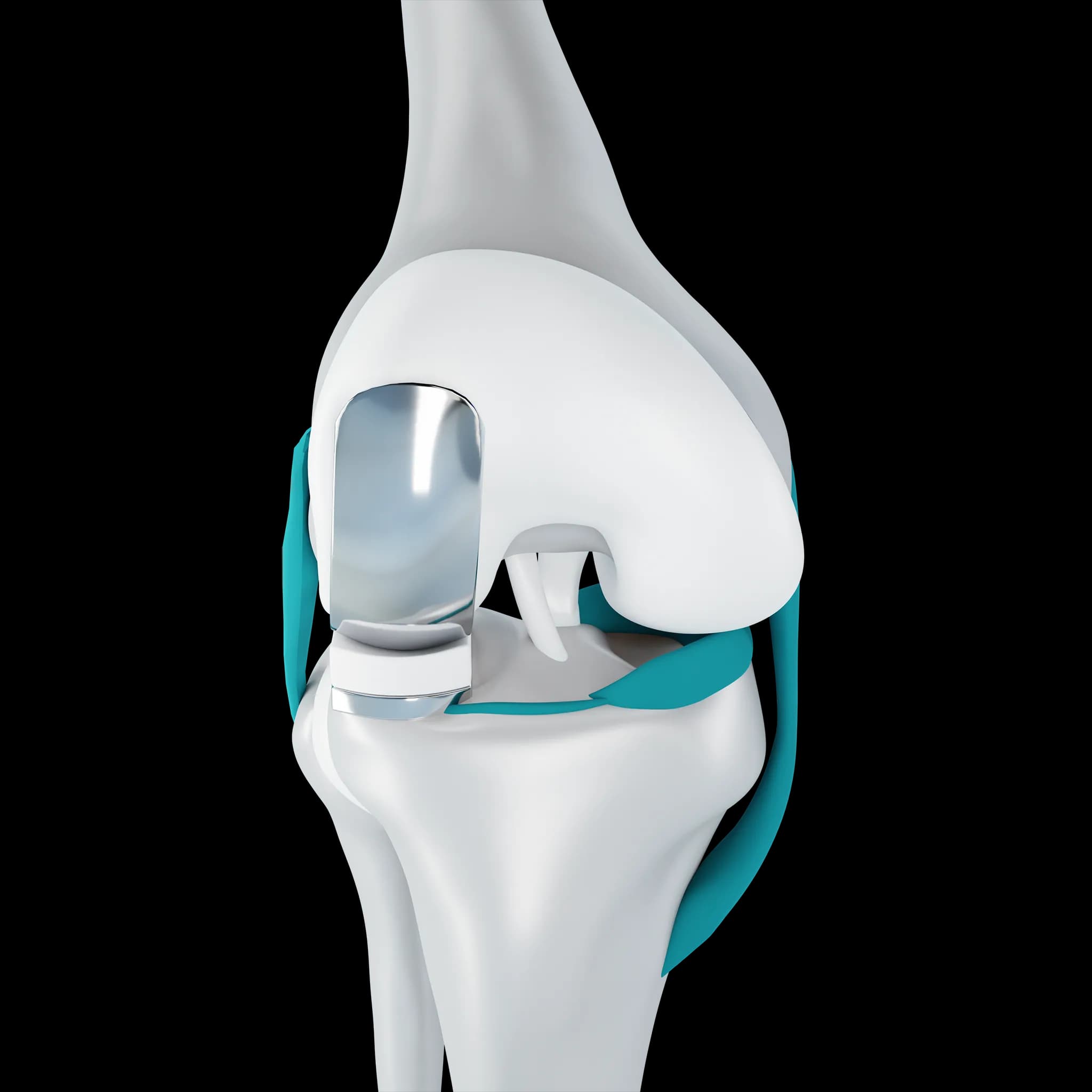
Age alone does not rule out any treatment. What matters is her general health, how worn the knee is and what she wants to be able to do. A physiotherapy programme suited to older adults often improves strength and confidence within weeks. A steroid injection can calm a painful flare. If X-rays show advanced arthritis and daily life remains limited, a partial or total knee replacement may be discussed, after checking heart, diabetes and other conditions.
Coming to the consultation together
Families often play a big part in the decision and in recovery. Bring her list of medicines, any previous X-rays and a clear idea of what she finds hardest: standing for prayer, stairs, walking to the car. At Aman Hospital, Dr. Gelber examines the knee, arranges standing X-rays and explains the options in a way the whole family can follow, so the plan fits her goals and the help available at home.
Seek urgent care if the knee becomes hot, red and very swollen, especially with fever, or if she cannot put weight on it after a fall.
Frequently asked questions
Is my mother too old for knee replacement?
There is no upper age limit. Many people in their 70s and 80s have knee replacements. The decision depends on her general health and how much the knee limits her life.
Will praying on a chair weaken her knees further?
Not if she stays active in other ways. Chair prayer removes painful deep bending, while daily walking and simple strengthening exercises keep the muscles working.
Related