Patient question
My knee aches deep inside after running and swells the next day. What is going on?
 Dr. Pablo GelberOrthopaedic Knee Surgeon
Quick answer
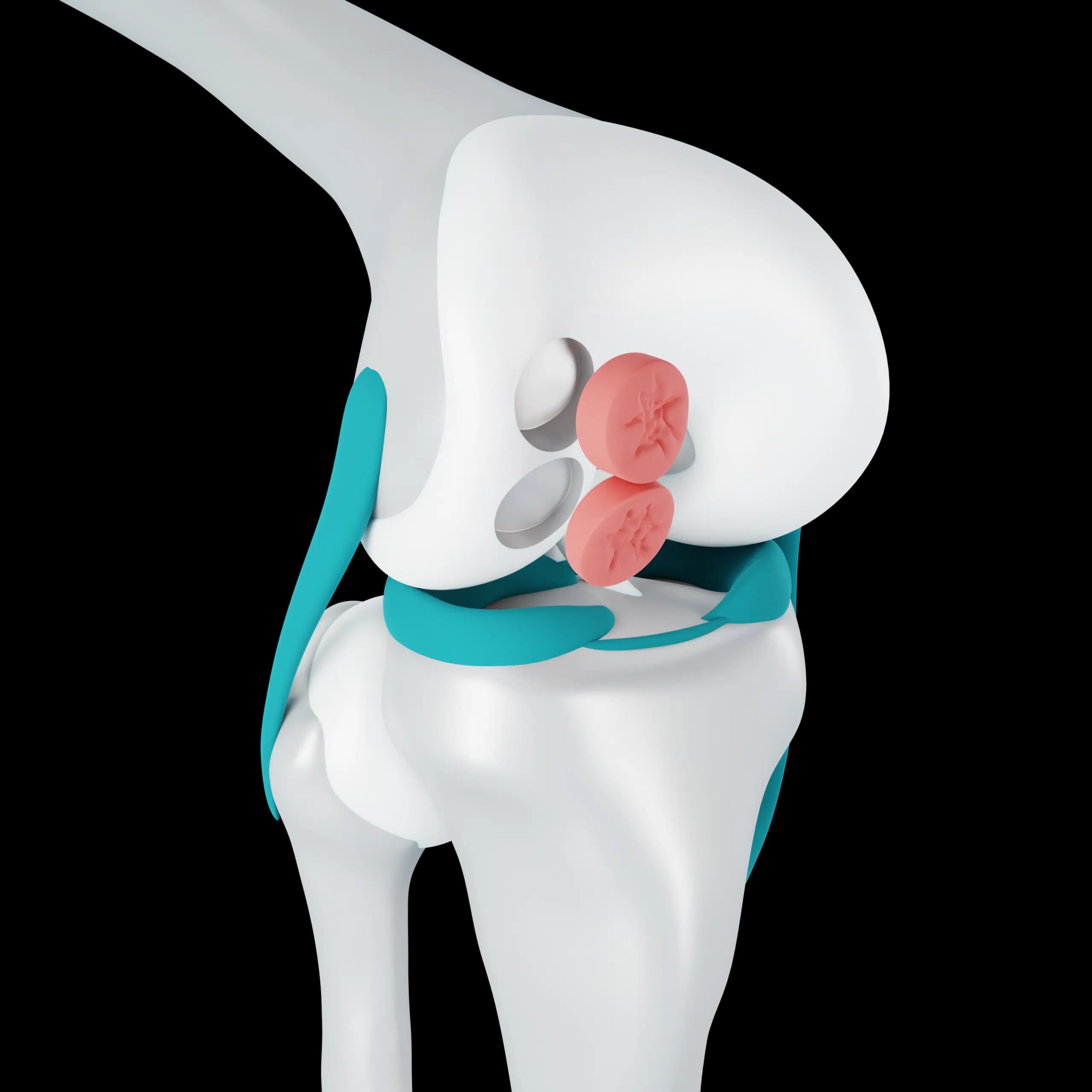
A deep, hard-to-pinpoint ache with swelling that appears hours later or the next morning often means the joint lining is irritated, and in many runners the trigger is a patch of damaged cartilage or a meniscus problem. It needs an examination, and often an MRI, explains Doha knee surgeon Dr. Pablo Gelber.
Why the swelling comes later
Cartilage itself has no nerves, so a defect may not hurt sharply while you run. The ache comes from the bone underneath and from the joint lining, which reacts to loose debris and extra load by producing more fluid. That fluid builds up slowly, which is why the knee often looks puffy and feels tight the next morning rather than during the run.
The pattern of a deep ache plus delayed swelling is a useful clue. Pain only at the front of the knee on stairs, or on the outside of the knee late in a run, points more towards kneecap or IT band problems.
Common causes in runners
- A focal cartilage defect on the end of the thigh bone or behind the kneecap
- A degenerative meniscus tear, which can also cause swelling and catching
- Early osteoarthritis, especially after a past injury or meniscus surgery
- A bone stress reaction, particularly after a sudden increase in mileage
What you can do now
Cut back running for one to two weeks and switch to cycling, swimming or the cross-trainer, which load the knee less. Ice and elevation after activity can help the swelling settle. Build back gradually rather than returning to your previous distance at once. In Qatar many people run on hard pavements in the early morning to beat the heat; a treadmill or a softer track can reduce impact while you recover.
If the knee swells every time you return to running, that is a sign the joint is not coping and needs assessment rather than more rest.
When to get it checked in Doha
- Swelling returns after most runs for more than a few weeks
- The knee catches, locks or gives way
- You cannot fully straighten or bend it
- A hot, red, very swollen knee with fever, which needs urgent care the same day
At Aman Hospital Dr. Gelber examines the knee, reviews any X-rays and arranges an MRI when needed to see the cartilage, meniscus and bone.
Frequently asked questions
Will a normal X-ray rule out cartilage damage?
No. Cartilage does not show on X-ray, so a focal defect can be present with a normal X-ray. An MRI is the usual test when cartilage damage is suspected.
Should I stop running for good?
Usually not. Many runners return once the cause is identified and load is managed. The plan depends on what the examination and scan show.
Is it safe to take anti-inflammatories and keep running?
Painkillers can hide the warning sign that the knee is overloaded. Short courses can help symptoms, but persistent swelling should be assessed rather than masked.
Related

