Patient question
I'm in my sixties and my kneecap grinds and hurts. Is it arthritis?
 Dr. Pablo GelberOrthopaedic Knee Surgeon

Quick answer
In people over about 55, grinding with pain behind the kneecap on stairs, getting out of a chair or kneeling is commonly arthritis of the kneecap joint, sometimes as part of wider knee osteoarthritis. Exercise and weight management help most people, says Dr. Pablo Gelber, knee surgeon at Aman Hospital in Doha.
Why the kneecap joint wears
The cartilage behind the kneecap is thick but takes high forces whenever you bend under load. Over decades, or earlier after an old kneecap injury or a kneecap that never tracked well, that cartilage thins. The result is a rough, grinding feel and an ache at the front of the knee.
Grinding on its own, without pain, is common at any age and not a reason to worry. It matters when it comes with pain, swelling or loss of function.
Typical signs
- Pain going up and down stairs, getting up from a low chair or the floor, and kneeling
- Stiffness for a few minutes after rest, easing as you move
- Grinding or crunching you can feel with a hand on the kneecap
- Occasional mild swelling after a busy day
- Pain on the inner side of the knee or with walking may mean the main joint is also involved
What helps
Strengthening the thigh and hip muscles is the foundation, even at an advanced stage. A physiotherapist can choose exercises that load the knee without deep bending. Low-impact activity such as cycling, swimming, aqua exercise and walking on flat ground keeps the joint healthier than rest.
If you carry extra weight, losing some reduces the force on the kneecap with every step. Raising chair height, using a rail, and praying on a chair or cushion when needed make daily life easier. Simple pain relief and anti-inflammatory gels can help if they are safe for you. Injections are an option for flare-ups, though evidence varies by type.
When to see a knee surgeon in Doha
Book an assessment when pain limits walking, sleep or daily tasks despite several months of exercise, or if the knee swells, locks or gives way. Sudden severe pain or a hot, red knee needs urgent assessment.
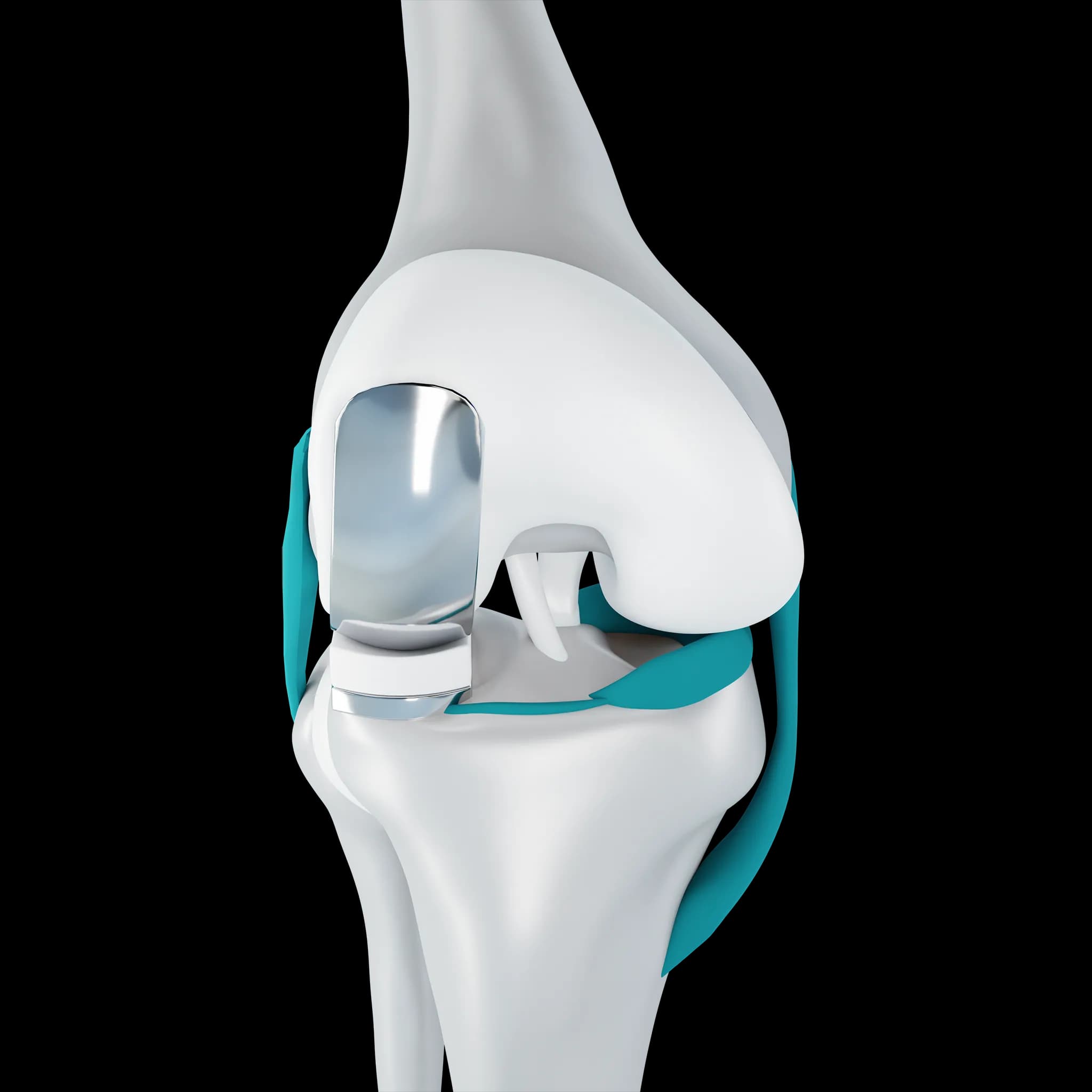
At Aman Hospital, Dr. Gelber examines the knee and reviews standing X-rays, including a kneecap view, to see which parts of the joint are affected. When surgery is needed, the choice between a kneecap-only replacement, a partial or a total knee replacement depends on where the wear is.
Frequently asked questions
Does a crunching kneecap mean I need a knee replacement?
No. Many people with kneecap arthritis manage well for years with exercise and activity changes. Replacement is considered when pain and function remain poor despite good non-surgical care.
Will glucosamine help?
Studies on glucosamine and similar supplements show mixed results. Some people feel a modest benefit, many do not. It is not a substitute for strengthening.
Related