Patient question
Cemented or cementless knee replacement: what is the difference?
 Dr. Pablo GelberOrthopaedic Knee Surgeon
Quick answer
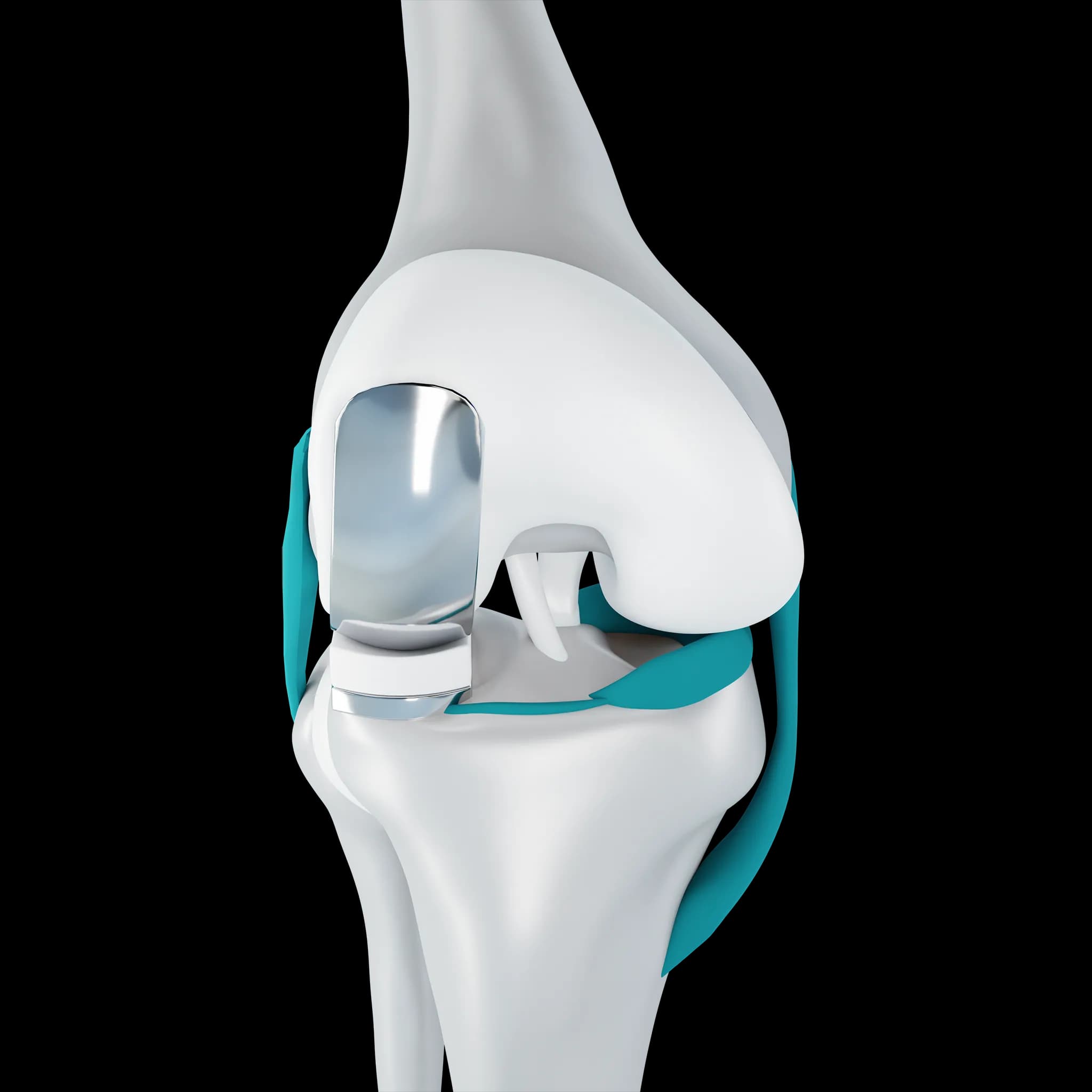
Cemented knee replacements are fixed to bone with bone cement and are secure immediately. Cementless implants have a textured surface that bone grows into over weeks. Both give good long-term results in suitable patients, and the choice depends mainly on bone quality and age, explains Dr. Pablo Gelber, knee surgeon at Aman Hospital in Doha, Qatar.
The short verdict
Cemented fixation has the longest track record and remains the most widely used method for total knee replacement worldwide. Cementless designs have improved and are increasingly used, particularly in younger, active people with strong bone. For most patients the method of fixation matters less than correct implant positioning, balance of the soft tissues, and good rehabilitation. Some implants combine the two, cementing one part and not another.
How they compare
- How it attaches: cement acts as a grout between implant and bone; cementless implants rely on a tight press-fit and bone growing onto a porous surface
- Early stability: cemented implants are fixed at the end of the operation; cementless fixation strengthens as bone grows in over the first weeks to months
- Bone quality: cement copes well with softer, osteoporotic bone; cementless needs good-quality bone
- Long-term results: registry data show durable results for cemented knees; modern cementless designs show encouraging results, with long-term data still building
- Future revision: removing a well-fixed implant of either type takes care; neither is simple to revise
- Recovery: walking usually starts the day after surgery with both
Who each option tends to suit
Cemented fixation tends to suit older adults, people with osteoporosis or softer bone, those with inflammatory arthritis, and most standard total knee replacements. Cementless fixation tends to suit younger, heavier or very active patients with good bone stock, in whom long-term bonding between bone and implant is attractive. Your surgeon may also decide during the operation after seeing the bone quality.
When to discuss it in Doha
Ask about fixation at your consultation if you are considering a knee replacement, but focus too on the questions that shape your recovery: your fitness, weight, other medical conditions and support at home. Dr. Gelber at Aman Hospital will review your X-rays and bone health and explain which implant and fixation method he recommends for your knee and why.
Frequently asked questions
Can I be allergic to bone cement?
True allergy is rare. Tell the team about any known allergies, including to metals, so they can be considered in planning.
Does cementless mean I must protect the knee longer?
Usually not. Most patients walk with full weight soon after surgery with either type, though your surgeon will give specific advice.
Related