Patient question
Can surgery help inflammatory arthritis in my knee?
 Dr. Pablo GelberOrthopaedic Knee Surgeon

Quick answer
Sometimes. Medicines prescribed by a rheumatologist are the main treatment, but surgery can help a knee that stays swollen despite good medical control, or one where the joint surface is already worn. Options include arthroscopic synovectomy and knee replacement, explains Dr. Pablo Gelber, knee surgeon at Aman Hospital in Doha, Qatar.
When surgery is considered
- Persistent swelling of one knee for several months despite medicines and injections
- A mechanical problem such as a torn meniscus or loose fragment causing locking
- Advanced joint damage with pain at rest or at night and loss of function
- Deformity, such as a knee that no longer straightens or bows inwards or outwards
The decision is made together with your rheumatologist, because controlling the disease overall remains the priority.
Synovectomy: removing inflamed lining
In inflammatory arthritis the joint lining, called the synovium, thickens and produces excess fluid. When this persists in one knee, it can be removed through keyhole surgery. Arthroscopic synovectomy usually involves small incisions and, in many patients, a short hospital stay.
It can reduce swelling and pain for a useful period, particularly when the cartilage is still in reasonable condition. The lining can regrow, so medical treatment continues afterwards.
Knee replacement
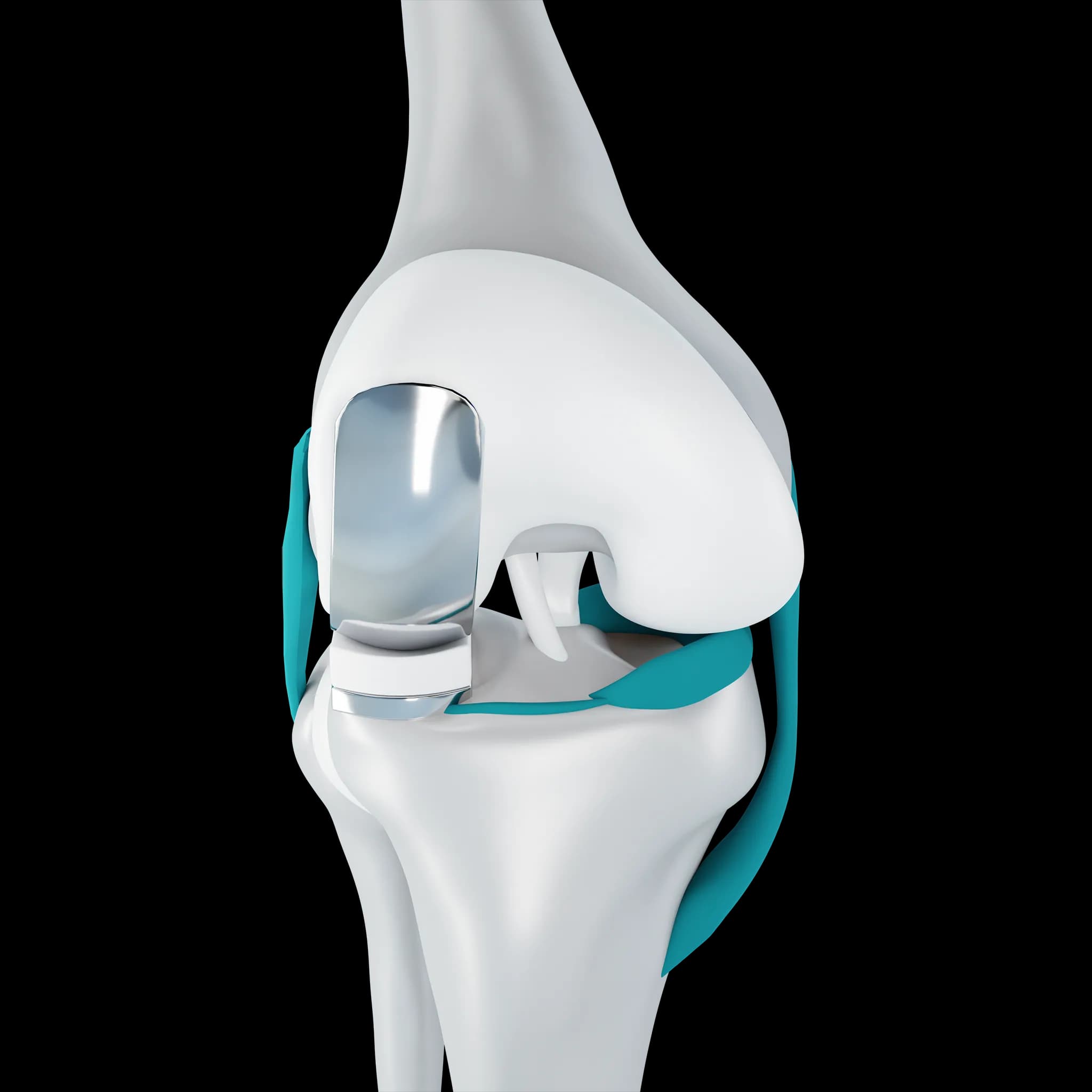
When the cartilage is badly damaged, knee replacement is a well-established option for people with inflammatory arthritis. Because the inflamed lining is removed and the joint surfaces replaced, many patients gain good pain relief.
There are specific considerations. Some immune-suppressing medicines raise the risk of infection and may be paused around surgery on a schedule agreed with your rheumatologist. Bone can be softer, other joints may limit rehabilitation, and the neck and other joints may need checking before anaesthesia.
Planning surgery in Doha
At Aman Hospital Dr. Gelber reviews your imaging, examines the knee and discusses whether a less invasive option might help first. He coordinates medicine timing with your rheumatologist, plans anaesthesia with the team and arranges physiotherapy, so that the knee and your overall condition are looked after together.
Frequently asked questions
Should I stop my biologic medicine before surgery?
Do not stop anything on your own. Your rheumatologist and surgeon agree a schedule that balances infection risk against the risk of a flare.
Is recovery slower with inflammatory arthritis?
It can be, particularly if other joints are affected, but with a tailored physiotherapy plan most people progress steadily.
Related