Patient question
Will I be able to pray normally and sit on the floor after a knee replacement?
 Dr. Pablo GelberOrthopaedic Knee Surgeon
Quick answer
Most people pray comfortably after knee replacement, many on a chair at first. Kneeling becomes possible for many but can feel odd or uncomfortable. Full sujood, sitting cross-legged or on the heels, and rising from the floor need very deep bending and are less predictable, explains Dr. Pablo Gelber, knee surgeon at Aman Hospital in Doha, Qatar.
How much a replaced knee usually bends
A replaced knee usually bends enough for walking, stairs, sitting in a chair and getting in and out of a car. The final range depends on how much the knee bent before surgery, the implant, your healing and, above all, the work you put into exercises in the first three months. Positions such as sitting on your heels for tashahhud or sitting cross-legged on the floor require more bending than most replaced knees achieve, so many people adapt rather than return fully to them.
Prayer in stages
- First weeks: praying seated on a chair, with the leg comfortable, is the usual approach for those who cannot stand or prostrate; the ruling can be discussed with a scholar
- From about six weeks: many people pray standing and use a chair for sujood and sitting, or perform sujood with a cushion or low stool for support
- After three months: some patients can kneel and perform sujood on the floor, often with the operated leg slightly forward or using a hand on a wall or chair to rise
Kneeling does not damage the implant once the wound has healed. If it is uncomfortable, that is due to the scar and the skin over the front of the knee, and it often improves with time and a soft prayer mat.
Floor sitting and getting up safely
Sitting in the majlis or on the floor for meals is a common goal. A low cushion or floor chair with a back makes it more comfortable, and keeping the operated leg straighter while the other bends is often easier. Getting up is the hardest part: roll to your hands and the good knee, bring the operated leg forward and push up using furniture. Practise this with your physiotherapist before trying it alone, to avoid falls.
Discuss your goals before surgery
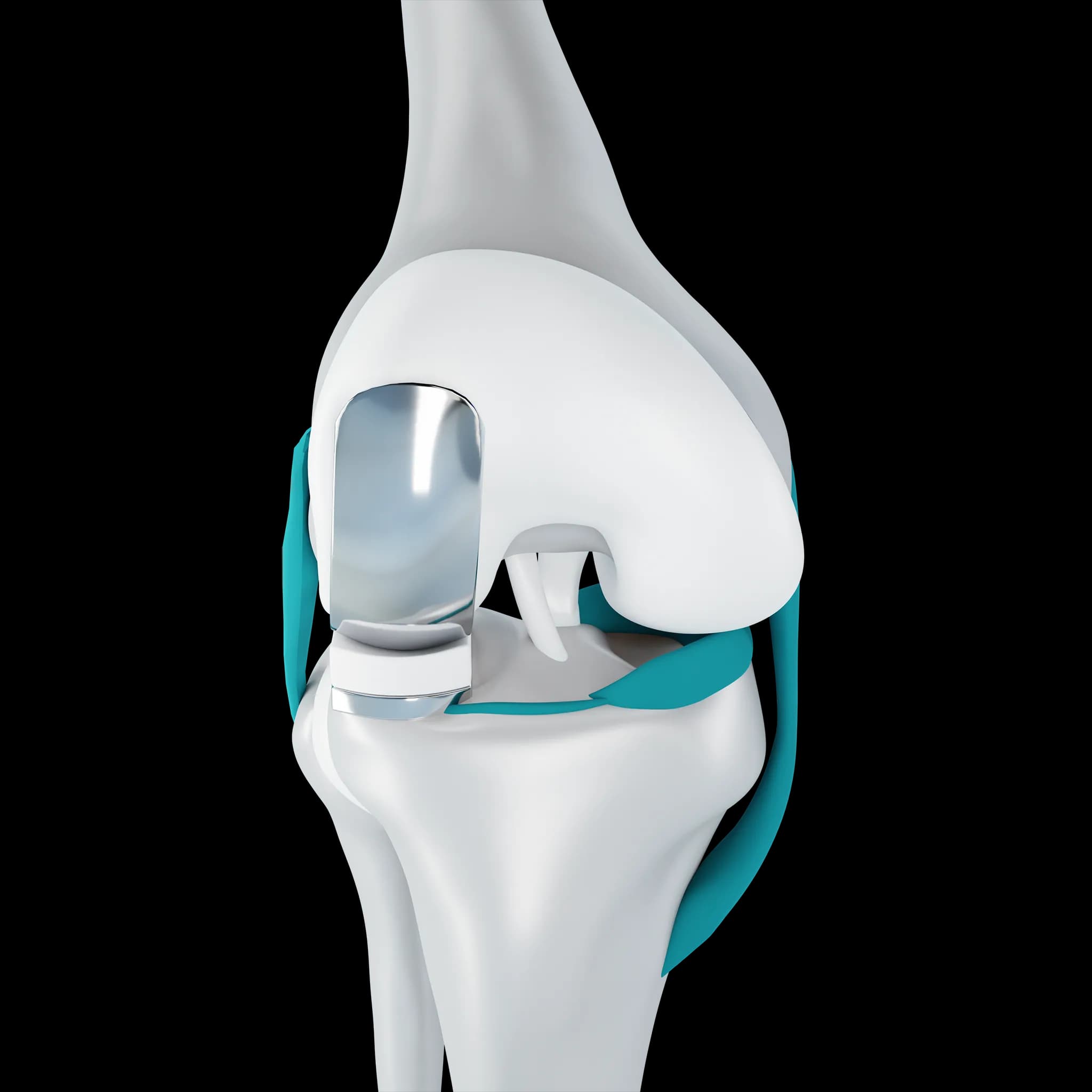
If floor prayer and floor sitting matter to you, say so at your consultation. It helps Dr. Gelber explain realistic expectations for your knee, and in some cases it influences the choice between a partial and total replacement, as a partial replacement often bends more naturally. Your physiotherapy at Aman Hospital can then be focused on these positions.
Frequently asked questions
Can kneeling on a knee replacement damage it?
No. Once healed, kneeling does not harm the implant. Discomfort, if any, comes from the scar and skin rather than the components.
Is praying on a chair permanently a sign of a poor result?
Not at all. Many people choose chair prayer long term for comfort and safety, while enjoying good walking and daily function.
Related