Patient question
Am I too young, too old or too heavy for a partial knee replacement?
 Dr. Pablo GelberOrthopaedic Knee Surgeon
Quick answer
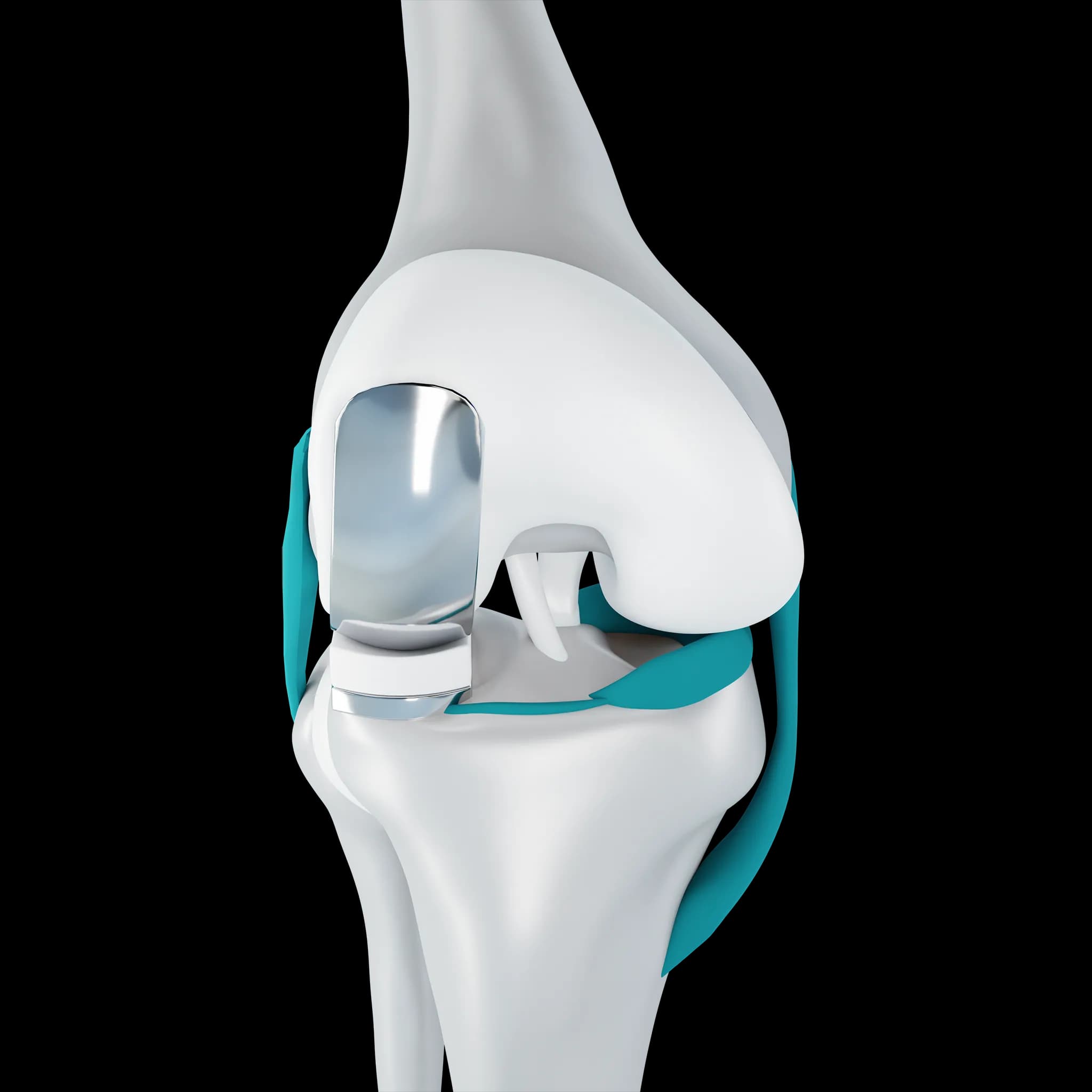
Age and weight alone rarely rule you out. Suitability for a partial knee replacement depends mainly on arthritis being confined to one compartment, working ligaments and good knee movement. Very young, very active or significantly overweight patients need a more careful discussion, explains Dr. Pablo Gelber, knee surgeon at Aman Hospital in Doha, Qatar.
What matters more than age
Older guidelines suggested partial knee replacements only for slim people over 60 with low activity levels. Modern experience has relaxed many of those limits. The deciding factors are the pattern of wear, ligament function, range of movement and where the pain is felt. A 70-year-old with one worn compartment may be an excellent candidate, while a 55-year-old with arthritis throughout the knee is not.
Younger and active patients
In people in their 40s and 50s, any implant has more years to wear, so the possibility of future revision is part of the conversation. For a bow-legged knee with less advanced inner-side wear, a high tibial osteotomy, which keeps your own joint, may be considered first.
When arthritis is already advanced on one side, a partial replacement is a reasonable option in younger patients, and many return to walking, golf, cycling, swimming and doubles padel at a gentle level. High-impact running and contact sports are generally discouraged after any knee replacement.
Older adults
In older patients, the smaller operation, lower blood loss and quicker recovery of a partial replacement can be particularly helpful. Heart, lung and kidney health, diabetes control and bone quality are reviewed before surgery, as they would be for any joint replacement. The anaesthetist at Aman Hospital will usually assess these in advance.
Weight and diabetes
Higher body weight puts more load on the implant and can make surgery and recovery harder, but it is not an automatic barrier. Losing even a modest amount of weight before surgery usually helps the knee and lowers some risks. Diabetes is common in Qatar, and good blood sugar control in the weeks before surgery reduces the risk of wound problems and infection, so your doctor may check your HbA1c beforehand.
Frequently asked questions
Do women have different results from men?
Partial knee replacement is performed in both women and men. Sex on its own is not a reason to choose or avoid it; the knee's anatomy and arthritis pattern are what count.
What if I am not a candidate?
Depending on your knee, the alternatives may be continued non-surgical care, an osteotomy or a total knee replacement. Dr. Gelber will explain why one option fits better than another.
Related
