Guide
Prayer, sujood and knee health
Quick answer
Prayer involves deep knee bending and kneeling several times a day, so knee arthritis, meniscus tears and kneecap pain often show up first in sujood and sitting. Padding, technique and, for some, a chair can help, says Dr. Pablo Gelber, knee surgeon at Aman Hospital in Doha, Qatar, who leaves religious questions to scholars.
How prayer loads the knee
Each unit of prayer involves standing, bowing, going down to the floor, sujood with the knees on the ground, sitting, and rising again. Over five daily prayers and additional prayers, the knee bends deeply many times a day, often on a hard floor.
For a healthy knee this is normal, everyday movement. For a knee with a problem, specific moments are often the hardest: the kneecap pressing on the floor in sujood, deep bending when sitting back on the heels, and the push up from the floor to standing.
Which knee problems show up in prayer
- Front-of-knee pain or kneecap arthritis: pain when the kneecap touches the floor and when pushing up to stand.
- Prepatellar bursitis: a soft swelling on the front of the kneecap from repeated kneeling, sometimes called prayer knee.
- Meniscus tears: pain or catching on the inner or outer side when sitting back on the heels or in the tashahhud sitting position.
- Knee arthritis: stiffness and aching after prayer, and difficulty getting up from the floor.
- Stiffness after surgery: not yet having enough bend to sit on the heels.
Practical options that reduce strain
Small changes often make prayer more comfortable.
- Use a thicker prayer mat or a padded mat, or place a folded cloth under the knees.
- Lower yourself slowly, using a hand on the thigh or a nearby support, rather than dropping onto the knees.
- When rising, put one foot forward and push up with your hands on the front thigh, or use a chair, wall or pillar.
- If sitting back fully on the heels is painful, a small firm cushion between the heels and buttocks reduces the depth of bending.
- Warm up the knee with a few gentle bends before the first prayer of the day, especially at Fajr when joints are stiff.
These are physical adjustments. How they fit your religious practice is a question for a scholar.
Praying on a chair
Many mosques in Qatar provide chairs, and many people with knee problems pray seated for some or all of their prayers, or use the chair only for certain positions. A stable chair without wheels, at a height where the hips are level with or slightly above the knees, is easiest to rise from.
Whether and when praying seated is appropriate in your situation is a religious matter, and patients usually discuss it with a scholar or imam. Medically, using a chair during a flare of pain or after surgery is a common, temporary choice, and many people return to their usual prayer as the knee recovers.
Prayer after knee surgery
Patients often ask when they can return to sujood and floor sitting after an operation. The answer depends on the procedure, and the timings below are conventional ranges rather than fixed rules.
- After knee arthroscopy without a repair, many patients return to their usual prayer within a few weeks as swelling settles.
- After a meniscus repair, deep bending under load is usually restricted for around six weeks or longer, to protect the repair.
- After ACL reconstruction, kneeling is often uncomfortable for some months, especially with a graft taken from the front of the knee.
- After knee replacement, many patients use a chair for several months. Some later kneel comfortably; others prefer to continue using a chair long term.
Your surgeon and physiotherapist can give you a specific plan, and rehabilitation can include exercises aimed at the movements you need for prayer.
When to see a knee surgeon in Doha
Book an assessment if kneeling or sujood causes increasing pain, if the knee catches or locks when you sit, if there is swelling on the front of the kneecap that is red or hot, or if you can no longer get up from the floor. A red, hot, swollen kneecap with fever may be an infected bursa and needs prompt care.
At Aman Hospital, Dr. Gelber will ask exactly which part of prayer is difficult, examine the knee and suggest treatment aimed at those movements.
Frequently asked questions
Why does my knee hurt in sujood?
Pressure on the kneecap and deep bending are the usual causes. Kneecap pain, bursitis and arthritis are common reasons. Padding and slower movements help, and persistent pain should be examined.
Will I be able to pray normally after a knee replacement?
Many patients pray on a chair in the first months. Some later kneel and sit comfortably; others find full kneeling uncomfortable and continue using a chair. Your surgeon can advise on your knee.
Is it harmful to keep praying on the floor with a meniscus tear?
Deep bending can aggravate some tears. If sitting back on the heels causes sharp pain or catching, modify the position and see a knee surgeon. Discuss religious options with a scholar.
There is a soft swelling on my kneecap from kneeling. What is it?
It is often prepatellar bursitis. Padding and reducing pressure usually help. If it becomes red, hot or very painful, or you have a fever, seek medical care promptly.
Related
 Patient questionWhy does the front of my knee hurt when I kneel to pray?
- Patient questionI have a swollen bump on my kneecap. Could it be from kneeling to pray?
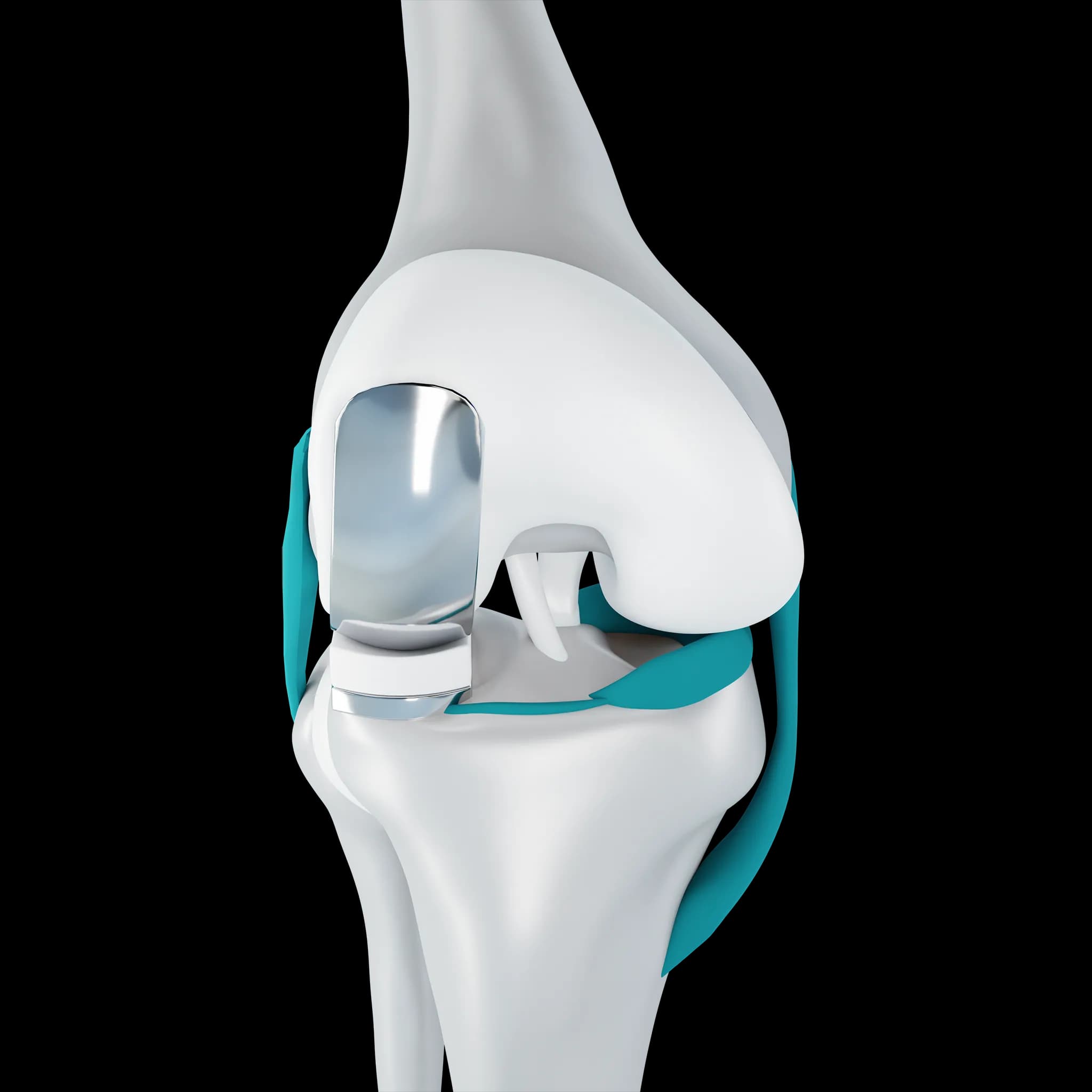 Patient questionWill I be able to pray normally and sit on the floor after a knee replacement?
 Patient questionMy mother is 70 and can't pray standing anymore because of her knees. What can we do?
- ConditionsPatellofemoral Pain (Runner's Knee) Treatment in Doha
 GuideFloor sitting, the majlis and your knees