Guide
Knee health after 60: staying active, preventing falls and deciding about surgery
Quick answer
After 60, most knee pain comes from osteoarthritis, and staying active with strength exercise, weight control and good footwear usually helps more than rest. Surgery is considered when pain limits daily life despite these measures, and age alone rarely rules it out, explains Doha knee surgeon Dr. Pablo Gelber at Aman Hospital.
Is knee pain just part of getting older?
Knee pain is common after 60, but it is not something you simply have to accept. The most frequent cause is osteoarthritis, the gradual wearing of the cartilage that lines the joint. It typically causes stiffness in the morning or after sitting, pain on stairs and when rising from a chair, swelling after a busy day, and sometimes grinding.
Other causes are also seen in this age group and are treated differently. These include a degenerative meniscus tear, gout or pseudogout, bursitis, a small insufficiency fracture in weakened bone, and pain coming from the hip or lower back. Sudden, severe pain with a hot, red, swollen knee, especially with fever, needs same-day medical attention because joint infection must be ruled out.
Staying active is part of the treatment
Movement keeps cartilage nourished, muscles strong and joints supple. Many older adults reduce activity because the knee hurts, and the resulting loss of thigh strength then makes the knee hurt more. Breaking that cycle is often the single most useful step.
- Strengthen the thigh and hip muscles two or three times a week, using chair exercises, resistance bands or light machines.
- Choose low-impact exercise such as walking in air-conditioned malls or on indoor tracks, a stationary bike or swimming and water walking.
- Aim for little and often rather than one long walk that leaves the knee swollen for days.
- Keep a healthy weight, since every kilogram lost reduces the load across the knee with each step.
- Wear supportive, cushioned shoes and consider a walking stick in the hand opposite the painful knee on bad days.
In the Qatar summer, plan outdoor walks for early morning or move exercise indoors.
Falls, balance and the knee
A weak or painful knee is a common contributor to falls, and a fall at this age can cause a fracture around the knee or hip. A knee that suddenly buckles, slow reactions, poor eyesight, some medicines and loose rugs all add to the risk.
Practical steps include balance exercises such as standing on one leg near a kitchen counter, good lighting at night, removing trip hazards, a grab rail in the bathroom, and a chair-height toilet seat or raised seating if getting up is difficult. Families can help by noticing changes in walking and encouraging a review before a fall happens rather than after.
Treatments before surgery
Most older patients start with non-surgical care. Physiotherapy and a home exercise programme are the foundation. Simple painkillers, topical anti-inflammatory gels and, where your doctor agrees, short courses of anti-inflammatory tablets can help, taking into account kidney function, stomach health and blood pressure. A brace or insole may help selected patients. Injections, such as a steroid injection for a painful flare, can give relief for a period, although they do not reverse arthritis. Knee arthroscopy to wash out an arthritic knee is generally not recommended, as it rarely helps arthritis itself.
Deciding about surgery after 60
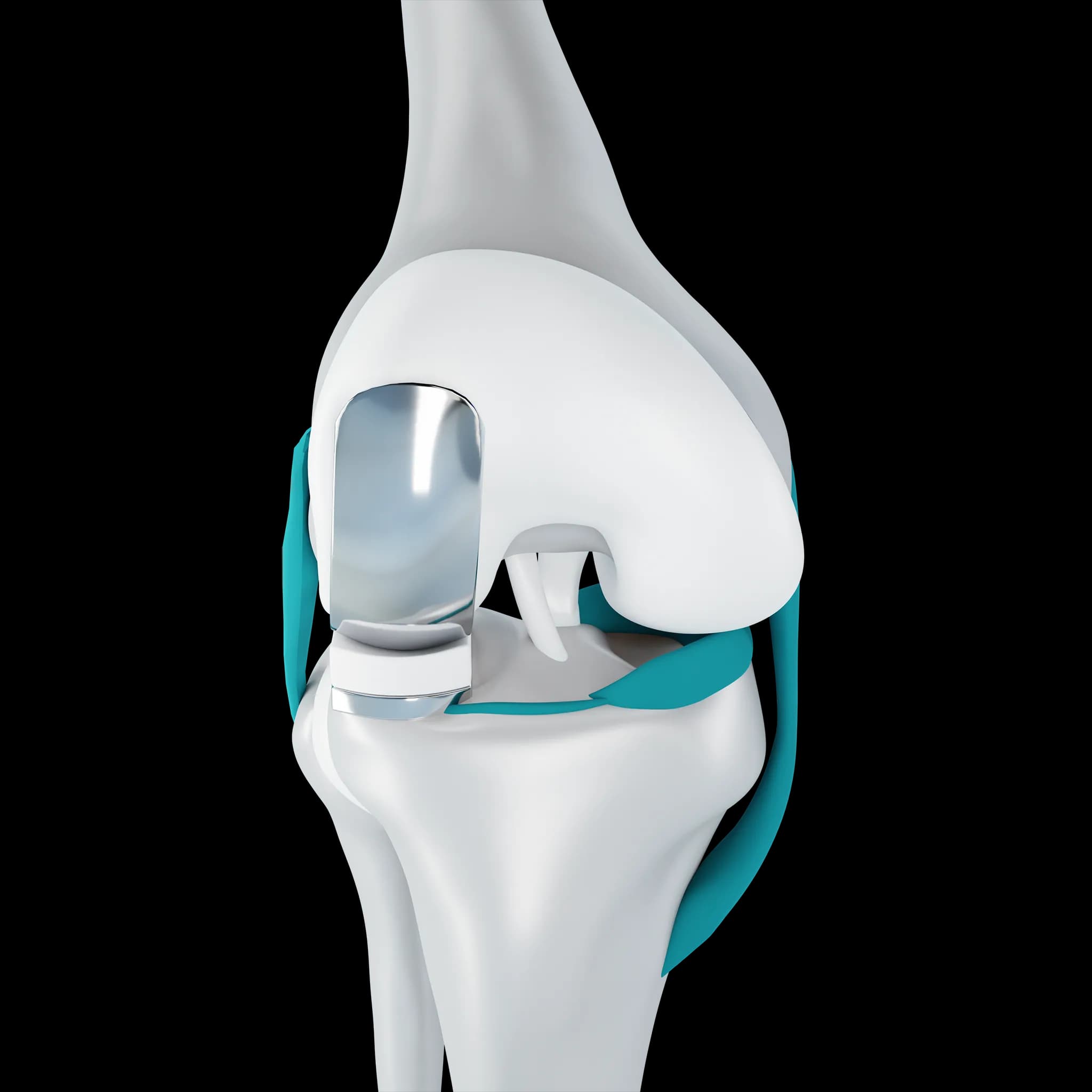
Surgery is a choice to consider when knee pain limits walking, sleep, prayer, work or caring for family despite a fair trial of non-surgical treatment, and when X-rays confirm significant arthritis. A total knee replacement resurfaces the whole joint, and a partial knee replacement is an option when arthritis is limited to one part of the knee.
The decision depends more on general health than on age. Before surgery, conditions such as diabetes, heart disease, high blood pressure, anaemia and bone health are assessed and optimised, often with your family doctor or physician. It also helps to plan the recovery: someone at home for the first weeks, a ground-floor bedroom if stairs are hard, and time set aside for physiotherapy. Many patients in their seventies and eighties do well after knee replacement when they are medically fit and well prepared.
Coming to Aman Hospital with a parent
If you are helping an older parent, it is useful to come to the consultation together. Bring a list of current medicines, any previous X-rays or reports, and notes about what the knee stops them doing. The examination includes walking, the hips and the back, and standing X-rays are often requested if recent ones are not available. Aman Hospital is on Airport Street in the Old Airport area of Doha, and appointments can be booked on +974 4400 4400 or by WhatsApp.
Frequently asked questions
Am I too old for a knee replacement?
Age alone rarely rules it out. What matters more is your general health, how much the knee limits your life and whether you can take part in rehabilitation. Medical conditions are reviewed and treated before surgery.
Will walking wear out my arthritic knee faster?
Regular walking at a comfortable pace generally helps arthritic knees rather than harming them. If a walk leaves the knee swollen for more than a day, shorten it and build up gradually.
Can I still pray normally with knee arthritis?
Many people find kneeling and sitting on the floor difficult. Practical options include using a cushion or praying seated on a chair. Patients who are unsure about the religious aspect can discuss it with a scholar.
How long does recovery from knee replacement take after 60?
Most patients walk with support within a day or two and manage daily activities within about six weeks. Improvement in strength and comfort usually continues for several months, and up to a year in some patients.
My mother's knee suddenly became hot and swollen. What should we do?
Seek medical attention the same day, especially if she has a fever or feels unwell. Infection, gout and pseudogout can look similar and need prompt assessment, sometimes with drainage of fluid from the knee.
Related
 ConditionsKnee Arthritis Treatment in Doha
 Patient questionI'm 60 and my knee hurts. Is it just age?
- Patient questionWhat chair exercises can an older person do for knee pain?
 Patient questionHow do I know when it's time for a knee replacement?
- ProceduresKnee Replacement Surgery in Doha
- ProceduresPartial Knee Replacement in Doha