Glossary
Joint space narrowing

Quick answer
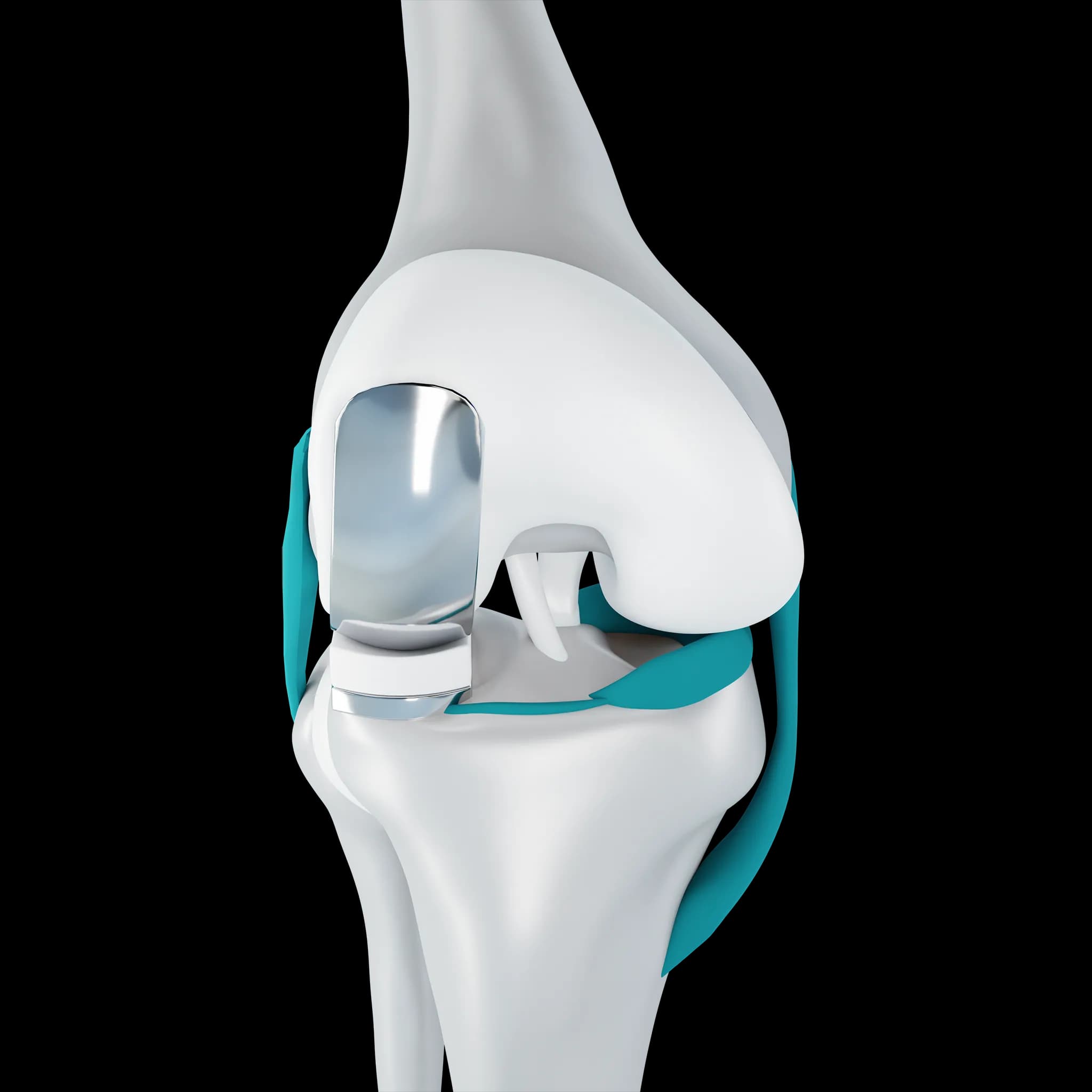
Joint space narrowing means the gap between the thigh bone and shin bone on an X-ray is smaller than normal. Because cartilage does not show on X-ray, the gap reflects its thickness, so narrowing usually indicates cartilage loss from osteoarthritis, explains Doha knee surgeon Dr. Pablo Gelber at Aman Hospital.
What the X-ray shows
Cartilage and meniscus are invisible on a plain X-ray, so they appear as a dark gap between the bones. When they wear or the meniscus is lost or extruded, the gap shrinks. Reports may say mild, moderate or severe narrowing, and name the compartment: medial (inner), lateral (outer) or patellofemoral (behind the kneecap).
When there is no gap left, it is often called bone on bone.
Why it matters
Joint space narrowing, along with osteophytes, is how osteoarthritis is graded on X-ray. Narrowing on one side often goes with a bow-legged or knock-kneed alignment, which loads that side more.
It is important that the X-ray is taken standing up. Lying down can make a worn knee look healthier than it is, so Dr. Gelber usually requests weight-bearing views.
What can be done
Treatment depends on symptoms more than the picture. Many people with narrowing manage well with exercise, weight management, pain relief and injections. If one compartment is worn and alignment is off, an osteotomy or partial knee replacement can be options. Severe narrowing in all compartments with disabling pain may lead to a total knee replacement.
Frequently asked questions
Can joint space narrowing improve?
Lost cartilage does not grow back, so the gap does not usually widen again. Symptoms, however, often improve a great deal with the right treatment.
Does bone on bone always mean surgery?
No. It means advanced arthritis in that area, but whether surgery makes sense depends on pain, function and how well other treatments have worked.
Related