Patient question
What happens if my cartilage repair does not heal?
 Dr. Pablo GelberOrthopaedic Knee Surgeon
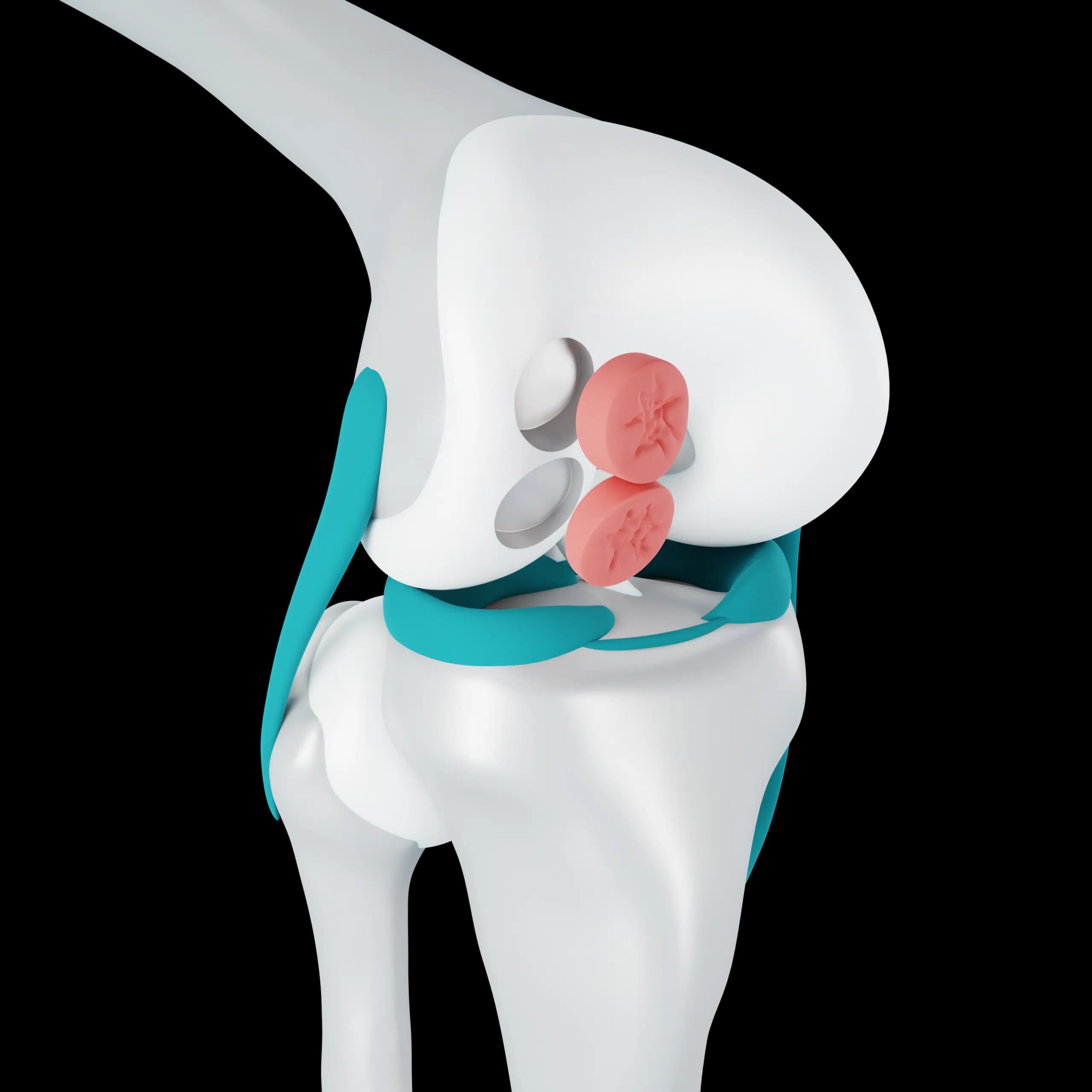
Quick answer
Sometimes repair tissue or a graft does not integrate fully, wears early, or the knee stays painful despite a technically sound repair. When that happens there are usually further options, from rehabilitation changes to revision surgery or realignment, explains Dr. Pablo Gelber, knee surgeon at Aman Hospital in Doha, Qatar.
The main risks to know before surgery
- Incomplete healing or early wear of the repair tissue
- Persistent pain or recurrent swelling
- Stiffness, particularly after open procedures or repairs behind the kneecap
- Overgrowth of the repair tissue, sometimes causing catching, which may need a small arthroscopic trim
- Infection, wound problems and blood clots, which are uncommon but serious
- Planned second operations with some two-stage techniques
Why a repair may struggle
A repair placed in a knee that is still unstable, malaligned or missing much of its meniscus faces the same overload that caused the damage. Returning to impact too early, smoking, and carrying extra weight can also slow healing. That is why these factors are addressed before or alongside surgery whenever possible.
Signs worth reporting
Some discomfort and swelling are normal for weeks to months. Tell your surgeon if swelling keeps returning after the early phase, new catching or locking develops, you lose movement you had gained, or pain is steadily worsening. Fever, a red hot knee or wound discharge need same-day review.
Options if the repair fails
Assessment usually starts with an examination and a new MRI. Depending on the findings, options can include adjusting rehabilitation, an injection for symptoms, a further arthroscopy, a different restoration technique, correcting alignment with an osteotomy, or, in older patients with wider wear, partial or total knee replacement. Dr. Gelber also sees patients in Doha for a second opinion after cartilage surgery done elsewhere.
Frequently asked questions
How will I know if the repair has worked?
Progress is judged mainly by symptoms, swelling and function over the first year. An MRI may be used to look at the repair if symptoms do not follow the expected course.
Can cartilage surgery be repeated?
In many cases, yes. Revision is planned after understanding why the first repair did not succeed, which often means addressing alignment or stability as well.
Related

