Patient question
What does knee cartilage damage feel like?
 Dr. Pablo GelberOrthopaedic Knee Surgeon
Quick answer
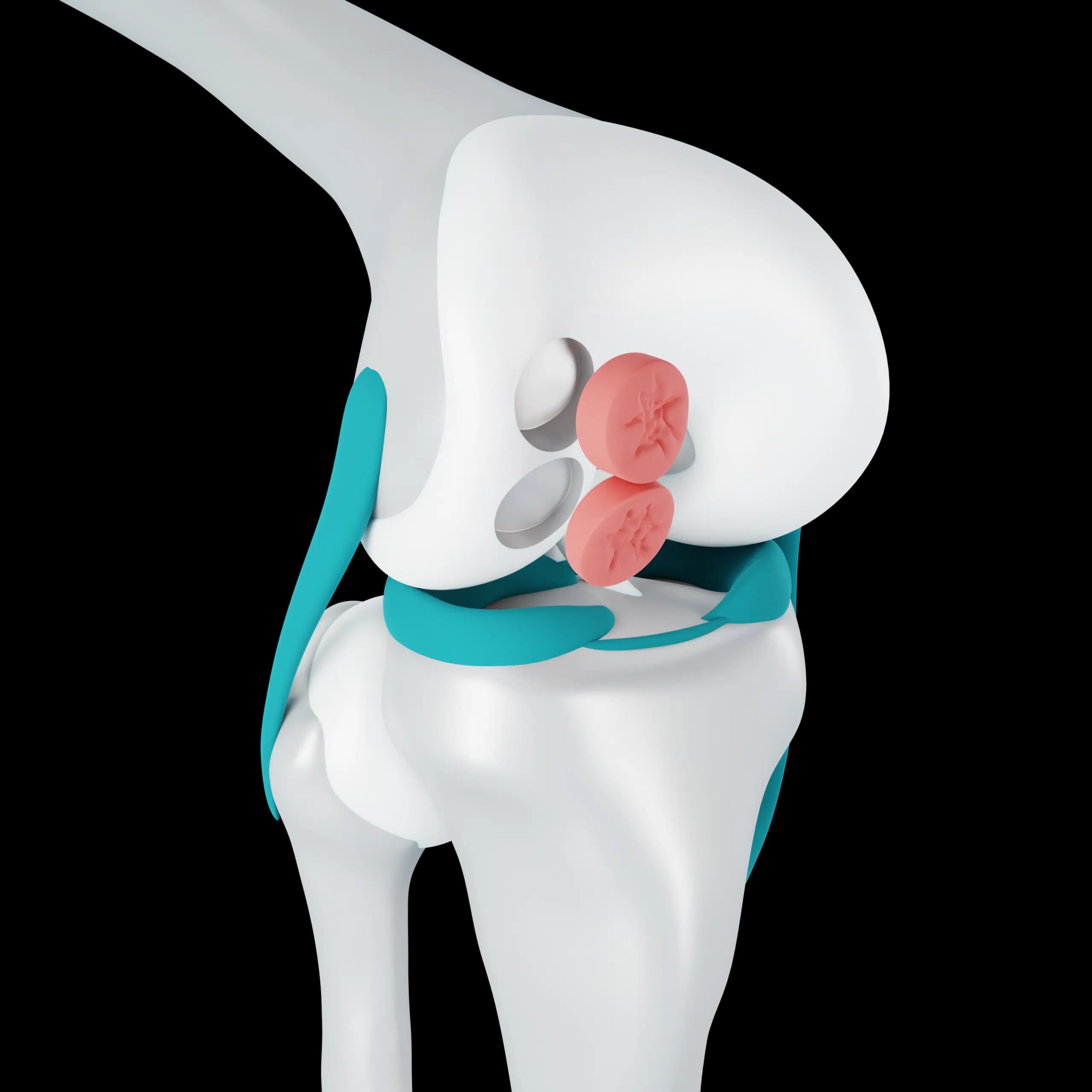
Knee cartilage damage usually feels like a deep ache inside the joint that worsens with impact, swelling that appears hours after activity, and sometimes catching, grinding or brief locking. Symptoms often come and go with load, explains Dr. Pablo Gelber, knee surgeon at Aman Hospital in Doha, which is why an examination and MRI matter.
The common symptoms
- An ache deep in the knee rather than on the skin surface, often on the inner side, outer side or behind the kneecap depending on where the defect is
- Swelling that builds over several hours or the next morning after running, football or padel
- Pain on stairs, squatting or getting up from the floor, especially when the defect is under the kneecap
- A catching, clunking or grinding feeling as the knee moves
- Occasional locking, where the knee will not straighten until you wiggle it, which can mean a loose fragment
- Stiffness after sitting for a while that eases once you start moving
Why the symptoms vary so much
Cartilage itself has no nerves, so the pain comes from the bone beneath it, the lining of the joint and the fluid that builds up. A small defect may cause nothing at rest and trouble only after heavy sport, while a loose flap can catch suddenly. Two people with similar MRI findings can therefore feel very different, and the examination is as important as the scan.
Symptoms that point elsewhere
Sharp pain along the joint line when you twist is often the meniscus. Pain at the front of the knee below the kneecap is commonly the patellar tendon. A knee that gives way repeatedly suggests a ligament problem, which can itself damage cartilage over time. Several of these can exist together.
When to book an assessment
See a knee specialist if swelling keeps returning, the knee locks or catches, or pain persists for more than a few weeks despite rest. At Aman Hospital in Doha, Dr. Gelber examines the knee, checks alignment and stability, and arranges an MRI when cartilage damage is suspected.
Frequently asked questions
Can cartilage damage show on an X-ray?
Cartilage does not show directly on X-rays. Advanced wear appears as a narrowed joint space, but early or localised defects usually need an MRI to be seen.
Does a grinding knee always mean cartilage damage?
No. Many healthy knees make painless noises. Grinding matters more when it comes with pain, swelling or catching.
Related
