Patient question
My teenager has been told they have cartilage damage in the knee. Is it different from adults?
 Dr. Pablo GelberOrthopaedic Knee Surgeon
Quick answer
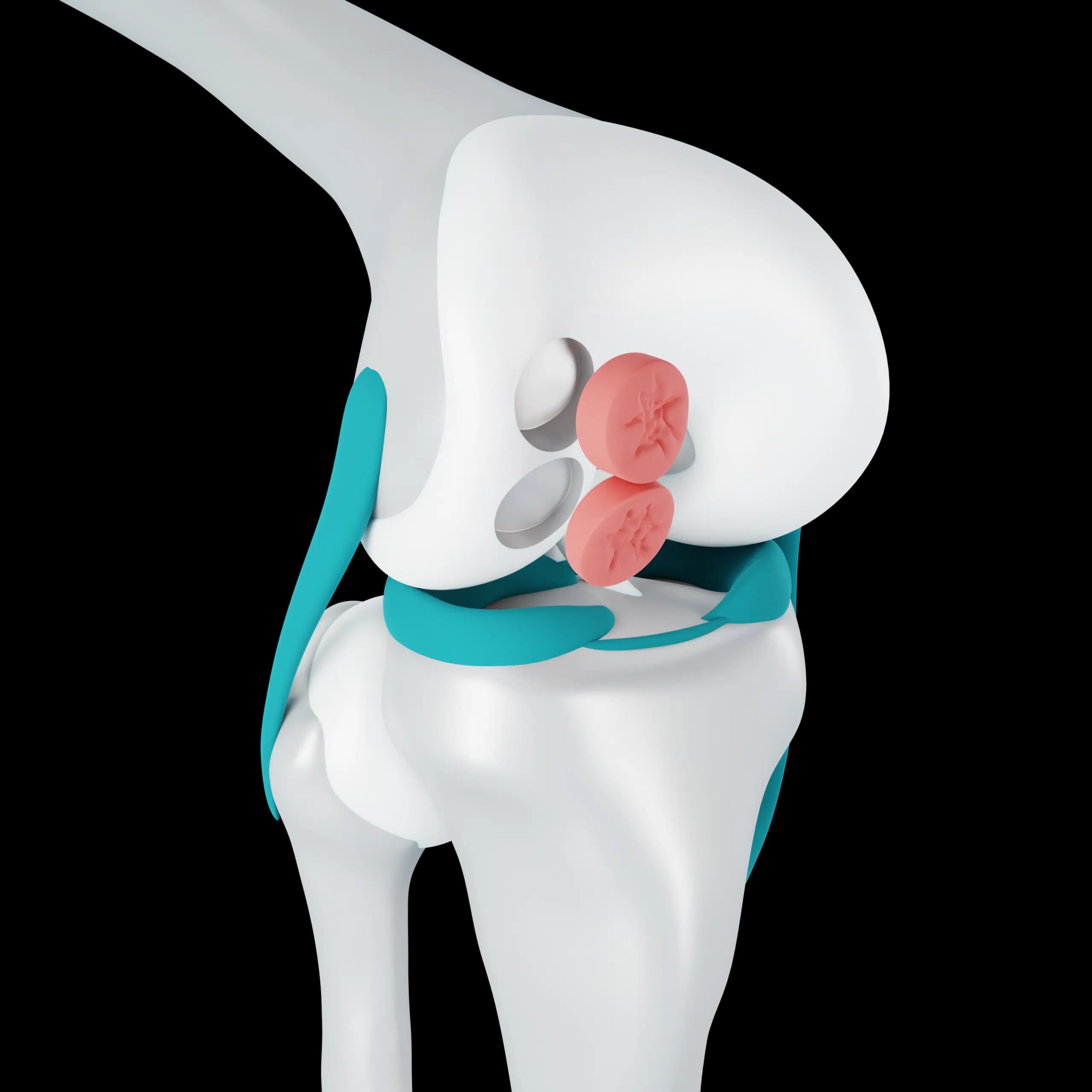
Yes. In teenagers, cartilage damage often comes from osteochondritis dissecans, a kneecap dislocation or a sports injury rather than wear, and young bone heals better, so some lesions settle with rest or can be fixed back in place. Prompt assessment matters, explains Doha knee surgeon Dr. Pablo Gelber at Aman Hospital.
Common causes in young people
- Osteochondritis dissecans, where a small area of bone beneath the cartilage loses blood supply and can loosen; it is often found in active children and teenagers
- A kneecap dislocation, which can knock a piece of cartilage off the kneecap or the thigh bone
- A twisting sports injury, sometimes together with an ACL or meniscus tear
- Repeated overload during intensive training in academy football, basketball or other sports
Why the outlook is often better
While the growth plates are still open, the bone under the cartilage has a stronger blood supply and greater healing capacity. A stable osteochondritis lesion in a younger child may heal with a period of reduced sport and careful monitoring. A fresh fragment that has come loose can often be fixed back with small screws or pins if it is found early, which preserves the child's own cartilage.
Signs parents should not ignore
- Knee pain that keeps stopping your child training or playing
- Swelling after sport, especially if it happens repeatedly
- Locking, catching or a feeling that something is moving inside the joint
- Limping, or the child avoiding fully bending or straightening the knee
- Any kneecap dislocation, even if it went back into place by itself
How it is assessed
At Aman Hospital in Doha, Dr. Gelber examines the knee and reviews X-rays, which show many osteochondritis lesions, and MRI, which shows whether a fragment is stable. Treatment is planned around the child's growth, sport and school, and families are involved in every decision.
Frequently asked questions
Does my child need to stop all sport?
Often only impact sport needs to pause for a period, while swimming or cycling may continue. The plan depends on whether the lesion is stable, and follow-up scans guide the return.
Will this affect their knee as an adult?
Many young patients do well, particularly when the problem is found early and the cartilage surface is preserved. Larger or unstable lesions need closer follow-up.
Related

