Patient question
My knee locks, then pops free again. What is going on?
 Dr. Pablo GelberOrthopaedic Knee Surgeon

Quick answer
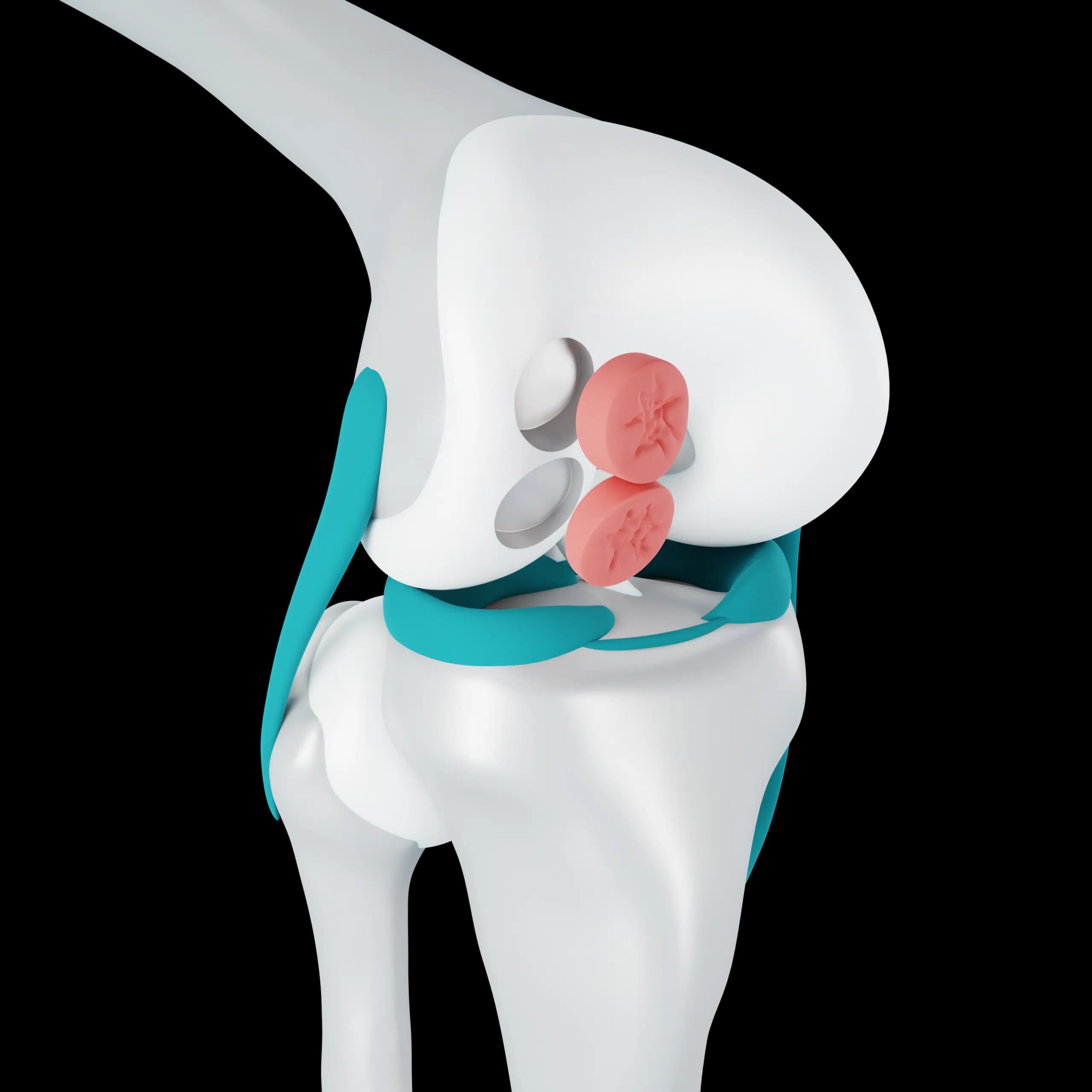
A knee that locks for a moment and then releases with a clunk or pop usually has something mobile inside: a loose body of cartilage or bone, or a torn meniscus flap that flips in and out. Each episode can scratch the joint surface, so it deserves assessment, explains Dr. Pablo Gelber, knee surgeon at Aman Hospital in Doha.
How intermittent locking feels
Patients often say the knee suddenly jams mid-step, they wiggle or shake it, and then it gives a pop and frees up. Between episodes it may feel almost normal. If the cause is a loose body, the locking can happen in different positions, the sore spot can seem to move, and some people can feel a small lump that slides around under the skin and then disappears.
With a meniscus flap, locking tends to happen with the same movement each time, such as twisting or deep bending, and the pain stays on one side of the knee.
Where loose bodies come from
- A fragment of cartilage knocked off by an injury, such as a kneecap dislocation
- Osteochondritis dissecans, where a piece of cartilage and bone separates, more common in teenagers
- Osteoarthritis, where bony spurs or cartilage pieces break free
- Synovial chondromatosis, a rare condition of the joint lining that forms multiple small fragments
The source matters because it affects treatment. A fragment from a young person's joint surface may sometimes be fixed back, rather than simply removed.
What to do between episodes
If the knee frees itself, rest it for a day, ice it if it swells, and avoid the movements that set it off. Do not keep deliberately trying to make it lock and unlock. If it locks and stays locked, do not force it; see the advice on true locking and arrange prompt review.
Diagnosis and treatment in Doha
At Aman Hospital, Dr. Gelber examines the knee and arranges X-rays, which show fragments that contain bone, and an MRI, which shows cartilage-only fragments, meniscus tears and the area the piece came from. A loose body that keeps locking the knee usually does not go away with physiotherapy, and keyhole surgery to remove it, or to repair the meniscus or the defect it left, is commonly recommended. Recovery after simple removal is often quick, with return to normal activity within weeks, depending on what else is found.
Frequently asked questions
Can a loose body dissolve on its own?
Generally no. Fragments may stop causing symptoms if they settle into a quiet corner of the joint, but those that keep locking the knee usually need removing.
Is it dangerous to leave it?
Not usually an emergency, but repeated locking can damage the cartilage. Early assessment lets you choose treatment before more harm is done.
Related