Patient question
How does knee cartilage get damaged?
 Dr. Pablo GelberOrthopaedic Knee Surgeon
Quick answer
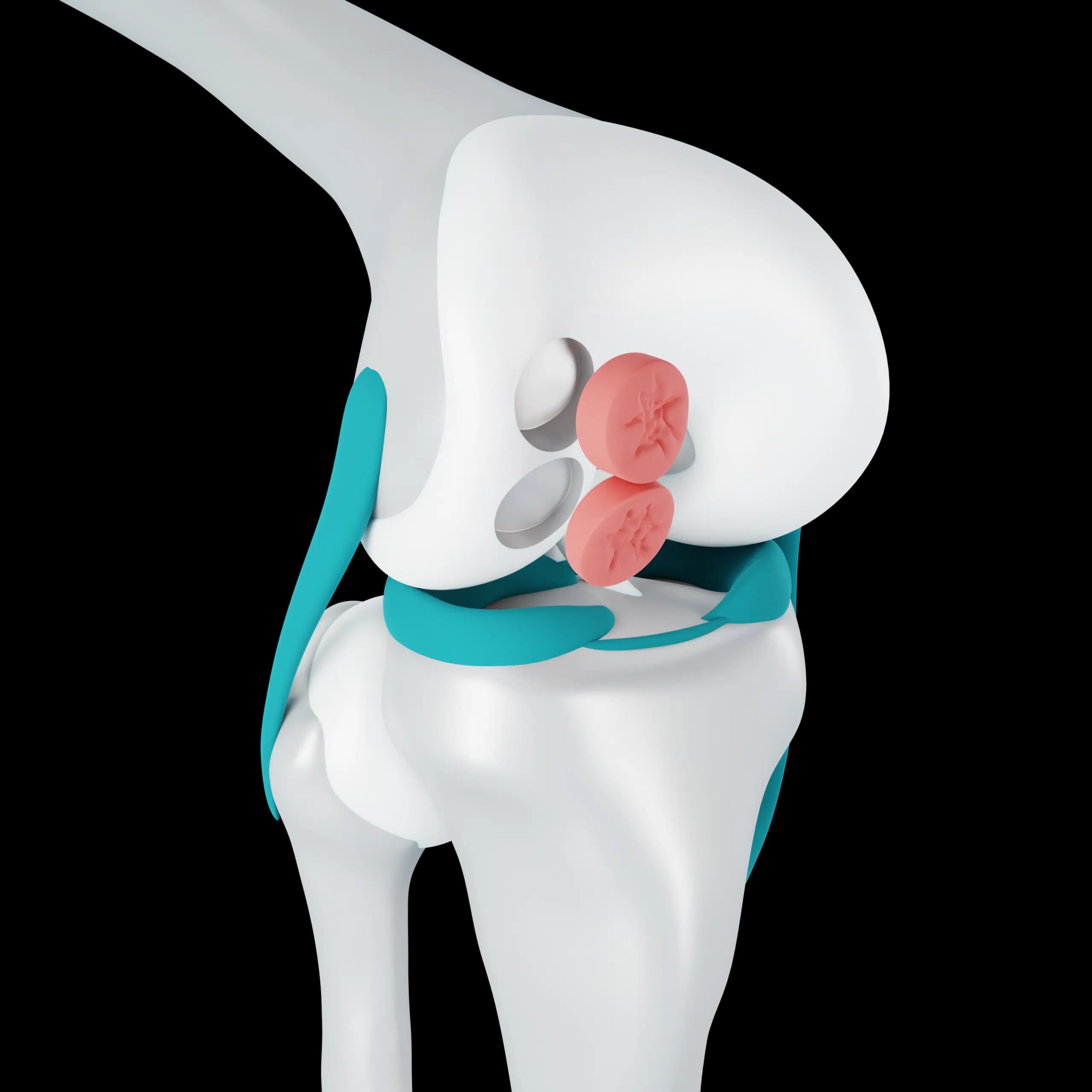
Knee cartilage is usually damaged by a twisting injury, a kneecap dislocation, a direct blow, or years of overload from an unstable or poorly aligned knee. Because cartilage heals poorly, finding and fixing the cause matters as much as treating the defect, says knee surgeon Dr. Pablo Gelber at Aman Hospital in Doha.
Sudden injuries
- Twisting or pivoting: the same movement that tears the ACL or meniscus can shear the cartilage surface, common in football, padel and basketball
- Kneecap dislocation: as the kneecap slips out and back, it can chip cartilage from the back of the kneecap or the thigh bone
- Direct blow: a fall onto the knee or a dashboard injury in a car accident can bruise and crack the surface
- Fractures that reach the joint surface
Gradual overload
Cartilage can also break down slowly when one area carries more than its share. A knee that keeps giving way after an old ACL tear grinds the surfaces against each other. Losing part of the meniscus, which acts as a cushion, concentrates load on a smaller area. Bow legs load the inner side and knock knees the outer side. Extra body weight multiplies the load with every step and stair.
In Qatar this is often seen in people who return to football or padel on an untreated ligament injury, and in workers whose jobs involve heavy lifting, kneeling or climbing.
Conditions that affect the bone underneath
In osteochondritis dissecans, usually seen in adolescents and young adults, a piece of bone and its cartilage loses blood supply and may loosen. Other, rarer causes include avascular necrosis and inflammatory arthritis.
Why the cause matters for treatment
A cartilage repair placed in an unstable, malaligned or meniscus-deficient knee is under the same stress that caused the damage. For that reason Dr. Gelber assesses ligaments, meniscus, kneecap tracking and leg alignment at the same visit, and treats those problems alongside the cartilage when needed.
Frequently asked questions
Can cartilage be damaged without a clear injury?
Yes. Gradual overload, alignment and past meniscus loss can damage cartilage without a single memorable injury. Many patients only notice recurring swelling or aching.
Does running damage healthy cartilage?
In a healthy, well-aligned knee, sensible recreational running is not thought to harm cartilage. Problems are more likely when there is a pre-existing injury or a sudden jump in training.
Related

