Patient question
Does knee arthritis always end in a knee replacement?
 Dr. Pablo GelberOrthopaedic Knee Surgeon

Quick answer
No. Many people with knee osteoarthritis never need a replacement. Arthritis usually progresses slowly and unevenly, and exercise, weight management and pain control keep a large share of patients active for years. Surgery is a choice made when daily life stays limited, not an inevitable endpoint, says Doha knee surgeon Dr. Pablo Gelber of Aman Hospital.
Myth: arthritis is just old age and nothing can be done
Age is one risk factor, but body weight, previous injuries, leg alignment, muscle strength and genetics all play a part, and several of these can be changed. Even when cartilage is worn, symptoms often improve substantially with a structured plan. Many people feel better a year after diagnosis than at the start, because they have built strength and adjusted how they use the knee.
Myth: walking and exercise wear the knee out faster
For most people the opposite is true. Regular, moderate activity strengthens the muscles that protect the joint and helps the cartilage stay healthy. Inactivity weakens the thigh, increases stiffness and often leads to weight gain, which loads the knee more. The aim is the right type and amount of activity, not rest.
Myth: the X-ray decides whether you need surgery
X-ray findings and symptoms often do not match. Some people with bone-on-bone images walk comfortably; others with milder changes struggle. The decision to operate depends on pain, function, sleep and what you want to do, considered alongside the images.
Myth: injections or supplements can regrow cartilage
No injection, supplement or diet has been shown to rebuild worn cartilage in osteoarthritis. Steroid injections can calm a flare; hyaluronic acid and PRP help some patients for a time, with mixed evidence. Glucosamine and similar supplements have shown little benefit in good-quality trials. It is reasonable to try them with realistic expectations, but they belong alongside an exercise and weight plan, not in place of it.
When replacement does come up
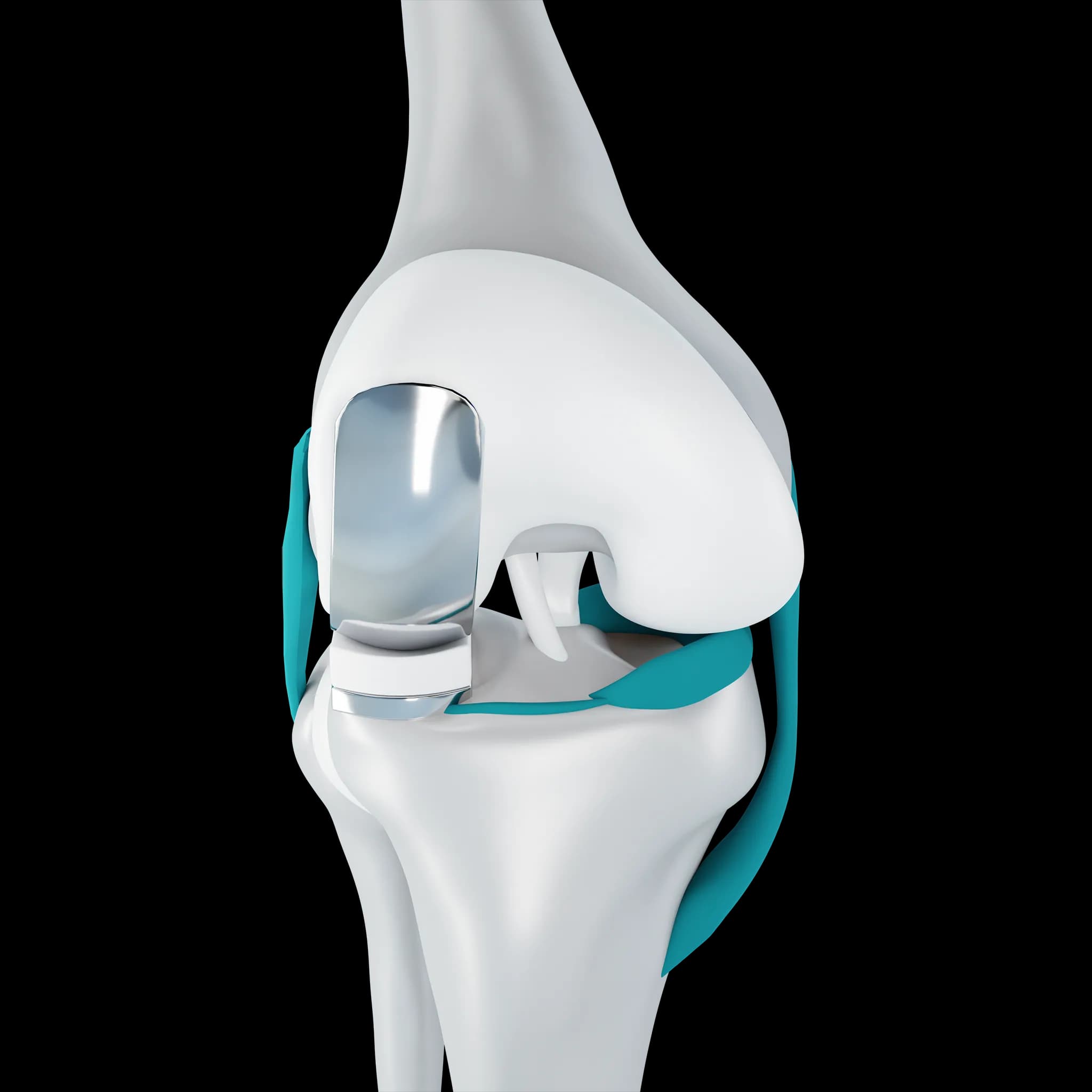
If pain wakes you at night, walking distance keeps shrinking, prayer, stairs or work become hard, and a fair trial of non-surgical care has not helped, it may be time to discuss surgery. At Aman Hospital in Doha, Dr. Gelber explains every option, including osteotomy and partial replacement, so the choice is informed rather than rushed.
Frequently asked questions
Does cold weather or air conditioning make arthritis worse?
Many people feel stiffer in the cold, including in strong air conditioning, but it does not damage the joint. Keeping warm and moving regularly helps.
If I delay surgery, will the operation be harder later?
Usually not, as long as you remain reasonably mobile. A marked increase in deformity or stiffness is a reason to review the plan sooner.
Related