Patient question
I'm older and the back of my knee aches at night. What could it be?
 Dr. Pablo GelberOrthopaedic Knee Surgeon

Quick answer
For older adults, an ache behind the knee at night is commonly arthritis with a Baker's cyst, or a degenerative tear at the back of the meniscus. Night pain with calf swelling, or constant severe pain, needs prompt medical review, says Dr. Pablo Gelber, knee surgeon at Aman Hospital in Doha, Qatar.
Why the back of the knee aches in bed
As cartilage wears with age, the knee lining produces extra fluid, and some of it collects behind the knee as a Baker's cyst. The fluid and the irritated joint can ache most in the evening and at night after a day on your feet. A degenerative tear in the back of the meniscus can add a deep, sometimes sharp pain when you turn in bed.
Other causes in older adults include gout or pseudogout, which give a suddenly hot, swollen knee, and pain referred from the lower back or hip. Calf pain and swelling behind the knee in someone who has been unwell, less mobile or recently in hospital should always raise the possibility of a blood clot.
Comfort at night
- A pillow under the knee or between the knees, whichever is more comfortable
- Gentle range-of-motion exercises before bed to ease stiffness
- A warm compress in the evening for stiffness, or ice if the knee is swollen
- Regular daytime walking and strengthening, which often improves night pain
- Painkillers only after checking which are safe with your other medicines and kidneys
Do not ignore these
- One calf swollen, warm or tender: same-day emergency assessment for a blood clot
- A hot, red, very swollen knee or fever: urgent review for infection or gout
- Unexplained weight loss or constant night pain that does not ease with position
- A pulsating lump behind the knee, which needs a vascular check
Seeing a knee surgeon in Doha
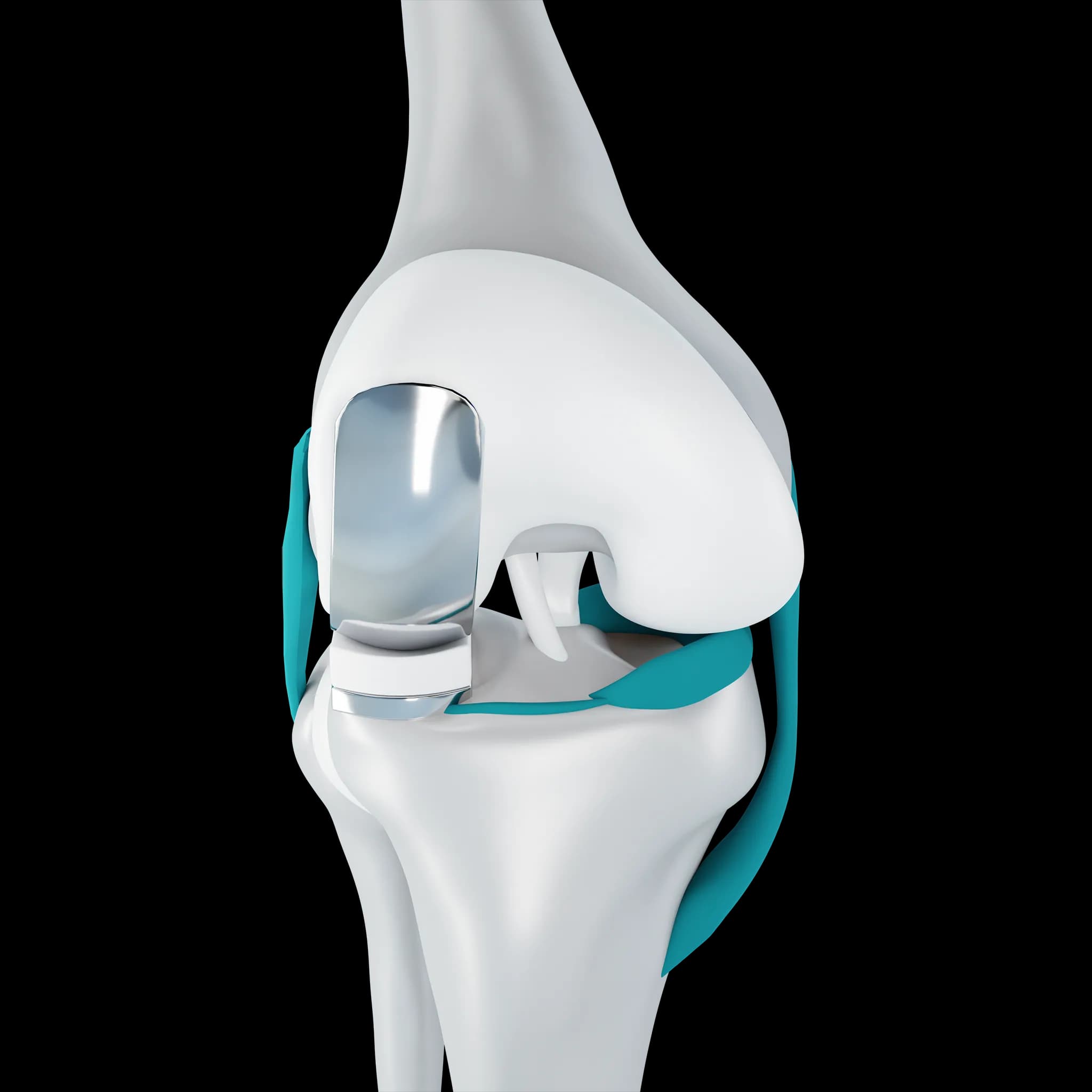
Dr. Gelber at Aman Hospital examines the knee and cyst, and usually arranges standing X-rays to assess arthritis, with ultrasound or MRI if needed. Treatment usually begins with exercise, weight management and, in selected patients, an injection to calm the joint, which often reduces the cyst too. When arthritis is advanced and daily life is limited, partial or total knee replacement can be discussed.
Frequently asked questions
Will the Baker's cyst go away if the arthritis is treated?
It often shrinks when the joint inflammation settles, although it may come back if the knee flares again.
Is it safe to keep walking with this?
Usually yes. Regular walking within comfort is one of the most helpful things for an arthritic knee.
Related