Guide
Body weight and knee pain
Quick answer
Every step loads the knee with a multiple of your body weight, so extra weight is linked with faster wear of the joint and makes painful knees hurt more. Even modest weight loss often eases pain and improves function, and it can lower some risks of surgery if an operation is needed, says Dr. Pablo Gelber, knee surgeon at Aman Hospital in Doha, Qatar.
How weight loads the knee
The knee carries more than your body weight. When you walk, climb stairs or get up from a chair, the muscles and the body's movement multiply the force that passes through the joint, so a small change in weight makes a larger change in the load the knee carries with every step.
Weight also matters in another way. Fat tissue releases substances that promote inflammation throughout the body, and these are thought to play a part in osteoarthritis, which is one reason why arthritis is also more common in the hands of people living with obesity. Weight is not the only cause of knee pain, but it is one of the few factors that can be changed.
Weight loss and knee pain
Many patients notice less pain, easier walking and better sleep after losing even a modest amount of weight. The benefit is usually greatest for knee osteoarthritis and pain at the front of the knee, and it adds to the effect of exercise and physiotherapy rather than replacing them.
Weight loss cannot regrow cartilage or fix a torn ligament, but it reduces the stress on what remains and may delay the point at which surgery is considered. A realistic, steady approach, with changes to eating that you can keep up and help from a dietitian or your family doctor, works better for most people than crash diets. Some patients are also offered weight-loss medicines or bariatric surgery; these are decided with the relevant specialists.
Exercise options that are kind to the knees
Painful knees make exercise harder, which can make weight gain worse. The answer is to choose activities that load the knee less while still keeping you moving.
- Swimming, aqua aerobics and walking in a pool, which take much of your weight off the joints.
- A stationary bike with the seat set high enough that the knee does not bend sharply.
- A cross-trainer or elliptical machine, which avoids the impact of running.
- Walking on flat ground in short, regular sessions, indoors in malls or gyms during the Qatar summer.
- Strength exercises for the thighs and hips, such as sit-to-stand from a chair, leg press in a comfortable range and bridges.
Mild discomfort during exercise that settles within a day is usually acceptable. Pain that builds up day after day is a sign to adjust the programme, ideally with a physiotherapist.
Diet, daily life and the Gulf lifestyle
Long working hours, driving everywhere, the summer heat and large family gatherings can all make it harder to stay active and eat in a balanced way in Qatar. Small, consistent changes tend to last: smaller portions, fewer sugary drinks and juices, more vegetables and protein, and planning activity for cooler times of day.
At home, a chair of the right height, a bed that is not too low and avoiding long periods of floor sitting can reduce knee strain while you work on your weight. If you also have diabetes, high blood pressure or sleep apnoea, losing weight helps those conditions too, so your family doctor can support the plan.
Weight and knee surgery
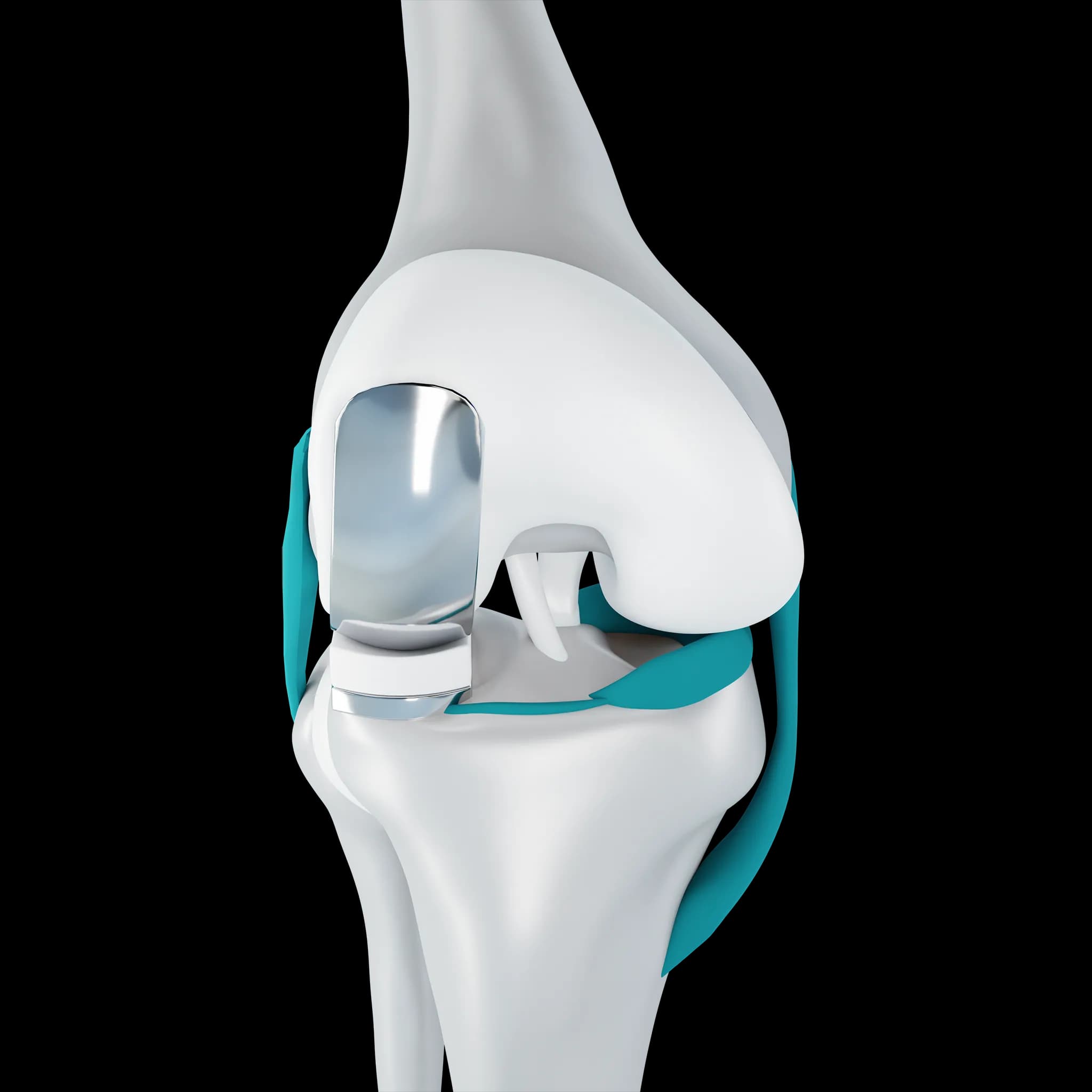
Higher body weight does not automatically rule out knee surgery, including knee replacement, and many people living with obesity benefit from it. It does raise some risks, such as wound problems, infection, blood clots and difficulties with anaesthesia, and it can make recovery and rehabilitation harder.
For this reason, surgeons often recommend losing some weight before a planned operation when it is safe to wait, and they look at body mass index together with your other health conditions rather than at one number alone. The decision is individual and depends on how severe the knee problem is, how much it affects your life and how your general health can be improved beforehand.
When to see a knee surgeon in Doha
Book an assessment if knee pain stops you exercising or walking, wakes you at night, or has not improved after several weeks of activity changes and exercise. Seek prompt care for a knee that swells suddenly, locks or gives way.
At Aman Hospital, Dr. Pablo Gelber examines the knee, reviews imaging where needed and discusses a plan that may include physiotherapy, weight management, injections or, where appropriate, surgery. Bringing a list of your medicines and any recent blood tests helps.
Frequently asked questions
Will losing weight stop my knee pain completely?
Not always, but many patients have noticeably less pain and walk more easily after losing even a modest amount of weight. It works well alongside strengthening exercise.
How can I exercise when my knees hurt?
Choose low-impact options such as swimming, pool walking, a stationary bike or a cross-trainer, and add gentle strength work. A physiotherapist can build a programme around your pain.
Am I too heavy for a knee replacement?
There is no single cut-off for everyone. Higher weight raises some risks, so surgeons often suggest weight loss first and decide together with you based on your overall health.
Does weight cause knee arthritis?
It is one of the main risk factors, alongside age, previous injuries and genetics. Extra weight increases the load on the knee and is linked with inflammation that may affect the joint.
Should I lose weight before seeing a knee surgeon?
No, you can book an assessment at any time. An examination helps to plan the right treatment, and weight management can be part of that plan.
Related
 ConditionsKnee Arthritis Treatment in Doha
- Patient questionHow do I lose weight when knee pain stops me exercising?
 Patient questionWhat cardio is easiest on sore knees?
 Patient questionCan I have a knee replacement if I have diabetes, heart disease or I'm overweight?
- GuideSwimming and knee problems: breaststroker's knee, rehab and safe return
- ProceduresKnee Replacement Surgery in Doha