Glossary
Outerbridge grade

Quick answer
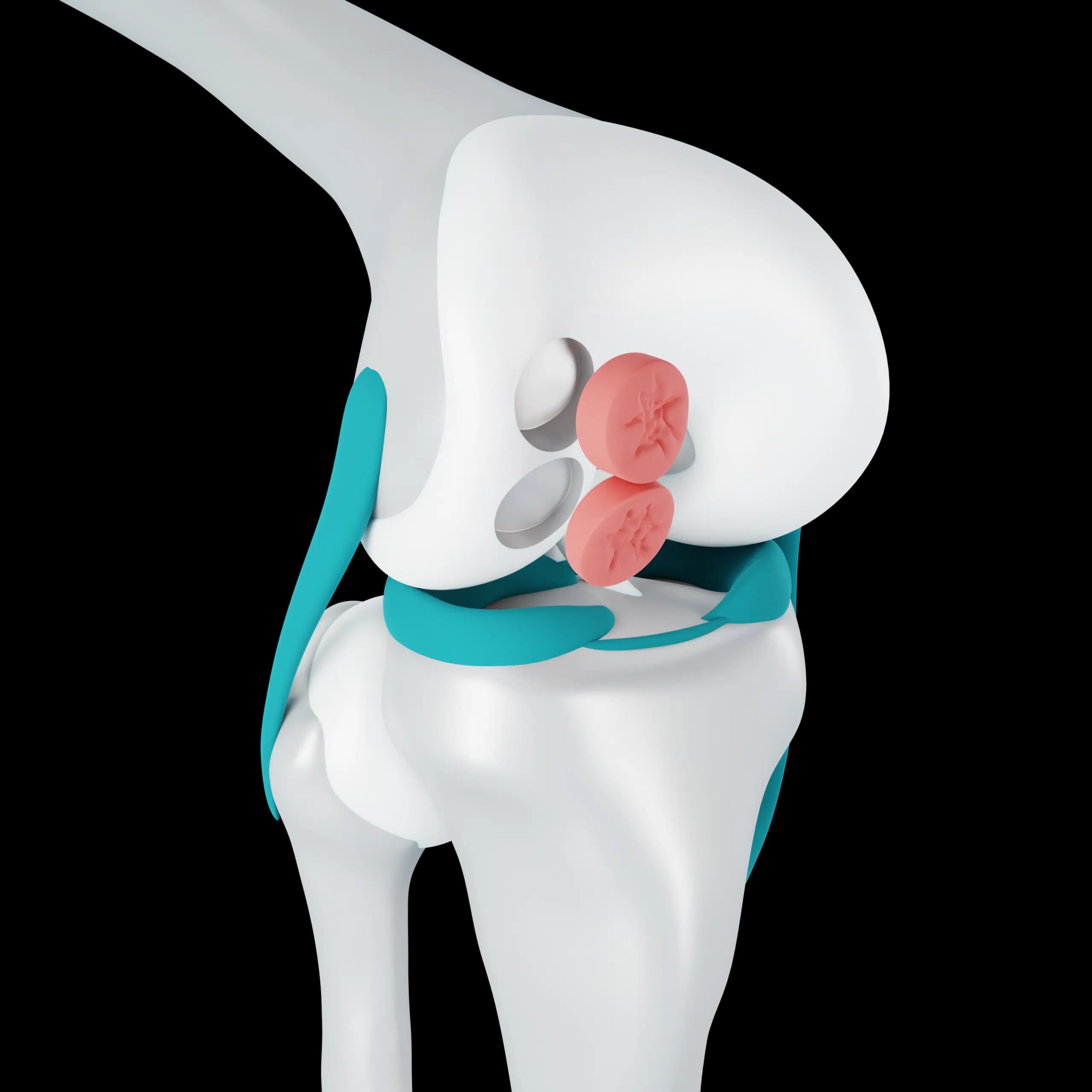
The Outerbridge grade describes how damaged the joint cartilage is, from grade 0 (normal) to grade 4 (worn through to bone). It was designed for what the surgeon sees at arthroscopy and is often used on MRI reports too. It guides decisions about cartilage treatment, explains Doha knee surgeon Dr. Pablo Gelber at Aman Hospital.
The grades
- Grade 0: normal, smooth cartilage.
- Grade 1: softening and swelling of the cartilage, like a bruise on its surface.
- Grade 2: fissuring or fraying that is partial thickness and covers a small area.
- Grade 3: deeper fissuring over a larger area, close to but not through to bone.
- Grade 4: full-thickness loss with bone exposed.
Why it matters
Patients may see these grades in an MRI report or an operation note, often describing the kneecap or the inner side of the knee. Early grades are common and frequently cause no symptoms, especially behind the kneecap.
The grade, size and location of the damage, together with alignment, the meniscus and your age, determine treatment. Small grade 3 to 4 defects in a younger, well-aligned knee may be suitable for cartilage restoration techniques. Widespread grade 4 change on both sides of the joint usually means established arthritis, which is managed differently.
MRI can underestimate or overestimate cartilage damage, so the final grade is confirmed when the surgeon looks directly at the surface during arthroscopy.
Frequently asked questions
Is Outerbridge grade 2 the same as arthritis?
Not necessarily. Grade 2 describes local surface fraying. Arthritis usually means more widespread wear, often seen on standing X-rays.
Can grade 4 cartilage damage be repaired?
In selected patients with a defined defect, cartilage restoration may be an option. Widespread grade 4 wear is treated as arthritis instead.
Related