Glossary
Microfracture (bone marrow stimulation)

Quick answer
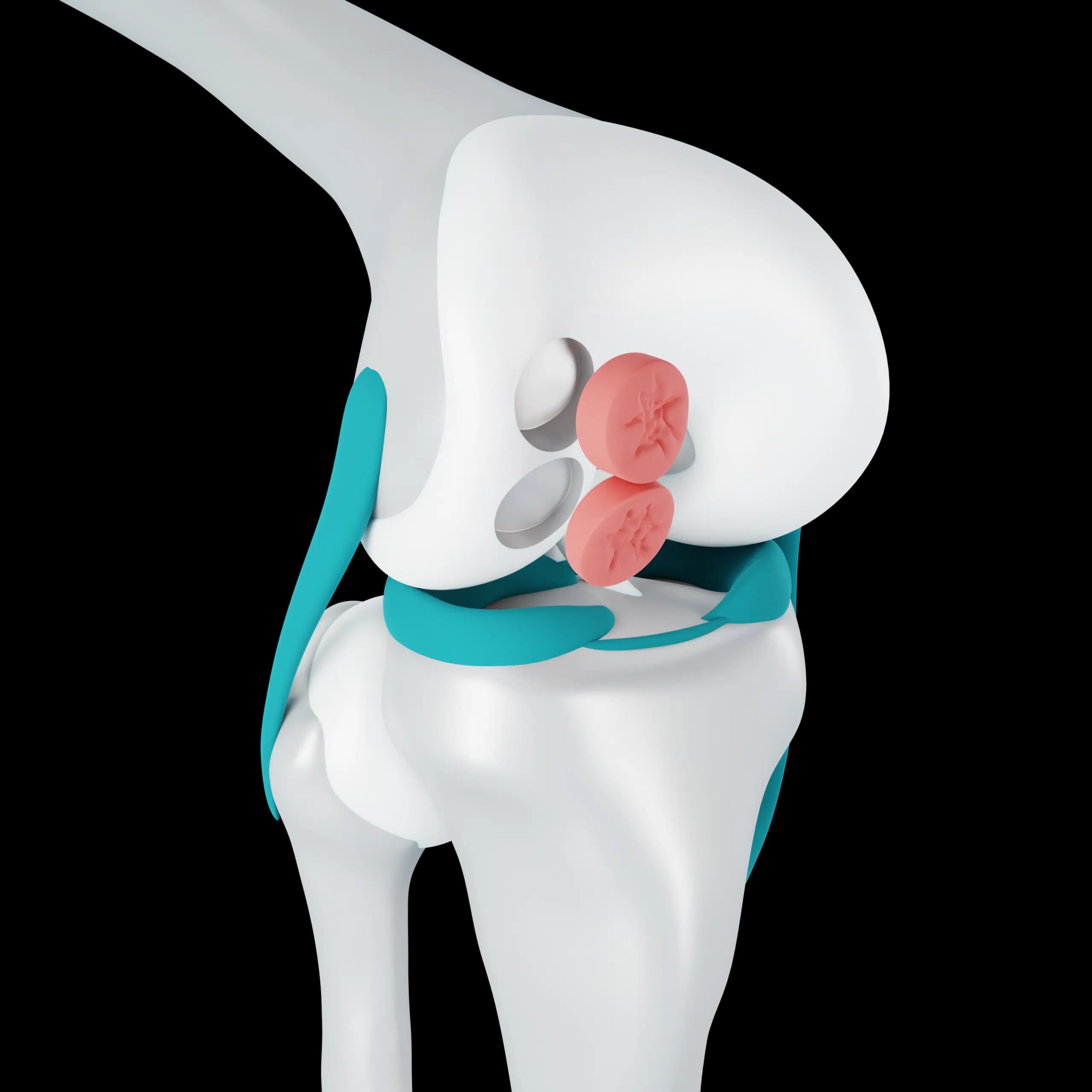
Microfracture is a keyhole cartilage procedure in which small holes are made in the bone beneath a cartilage defect, letting marrow cells and blood form a clot that matures into repair tissue. Dr. Pablo Gelber, knee surgeon in Doha, Qatar, discusses its place alongside newer options with patients at Aman Hospital.
What it is
Joint cartilage has almost no blood supply and heals poorly. In microfracture, the damaged cartilage is cleared down to a stable rim, and the bone surface is perforated with a pointed awl or fine drill a few millimetres apart. Blood and stem-like cells rise into the defect and form a clot.
Over months the clot matures into fibrocartilage, a tougher scar-type cartilage that covers the bone.
Why it matters for patients
It is a single, relatively simple procedure and can help small, well-contained defects, particularly in younger patients. However, fibrocartilage is less durable than the original cartilage, and results in larger defects may decline over the years.
Rehabilitation is demanding: protected weight-bearing and gradual loading for several weeks are usually needed so the clot is not disturbed.
Its place today
Many surgeons now reserve microfracture for small lesions or combine it with a scaffold to hold the clot. Larger defects may be better suited to osteochondral grafting or cell-based techniques. The right choice depends on the defect size and site, your age, alignment and activity, assessed with MRI and arthroscopy.
Frequently asked questions
Why do I have to use crutches for weeks after microfracture?
The new clot is fragile at first. Limiting load, particularly on the bearing surface, gives it time to mature into firmer repair tissue.
Can microfracture be done for arthritis?
It is not a treatment for widespread arthritis. It is meant for a localised defect surrounded by reasonably healthy cartilage.
Related