Patient question
What happens if I leave knee cartilage damage untreated?
 Dr. Pablo GelberOrthopaedic Knee Surgeon
Quick answer
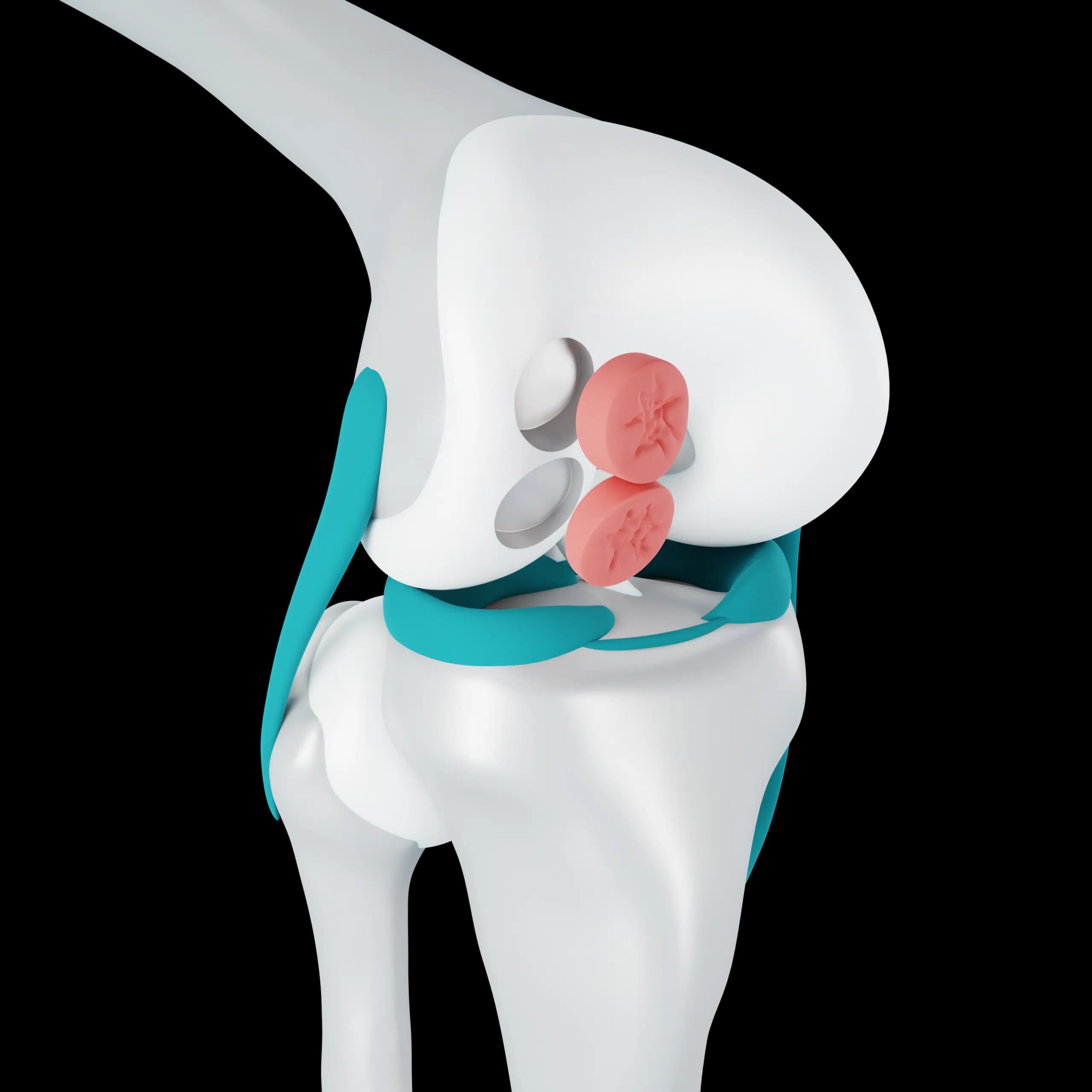
Some cartilage defects stay stable and cause few problems for years, but others slowly enlarge, especially in an unstable, overloaded or poorly aligned knee, and can lead to early osteoarthritis. The outcome depends on the defect's size, location and the knee's mechanics, explains Dr. Pablo Gelber, knee surgeon at Aman Hospital in Doha.
Not every defect gets worse
Many people have small areas of cartilage damage found by chance on an MRI and never develop significant symptoms. Leaving such a defect alone, while keeping the leg strong, is often the right choice. Untreated does not have to mean ignored: monitoring and good rehabilitation are a form of treatment.
What raises the risk of progression
- A larger defect, or one on the main weight-bearing surface of the thigh bone
- An unstable knee, for example from an untreated ACL tear, which causes repeated shearing
- A torn or removed meniscus, which leaves the cartilage with less cushioning
- Bow legs or knock knees that load one side of the joint
- A loose flap or fragment that catches and tears surrounding cartilage
- Excess body weight and repeated high-impact sport on a swollen knee
What progression looks like
Over months to years, the edges of a defect can soften and break down, the bone beneath can become irritated and swollen on MRI, and the joint space can narrow. Symptoms tend to shift from pain after sport to pain with daily walking and stairs. At that stage the options move away from repairing a single defect towards managing osteoarthritis, which is why surgeons try to identify the defects that are likely to progress.
When treating early makes sense
Earlier treatment is usually considered for a young, active patient with a symptomatic, well-defined defect, a loose fragment, or a mechanical problem such as instability or malalignment. At Aman Hospital in Doha, Dr. Gelber weighs these factors with you and explains whether watching, rehabilitation or surgery fits your knee.
Frequently asked questions
Will my cartilage damage definitely become arthritis?
No. Many defects remain stable. The risk depends on the size and site of the damage and on the knee's stability and alignment, which can often be improved.
How often should it be checked?
If symptoms are stable, there is usually no need for repeated scans. Return for review if swelling, catching or pain change noticeably.
Related
