Patient question
Should I pop my kneecap back in myself, and is it fine if it went back on its own?
 Dr. Pablo GelberOrthopaedic Knee Surgeon
Quick answer
Do not force a dislocated kneecap back; it often slides back as the knee gently straightens, but it should be checked either way. A kneecap that went back on its own can still have torn the stabilising ligament or chipped cartilage, notes Dr. Pablo Gelber, knee surgeon at Aman Hospital in Doha, Qatar.
Myth: you should push it back in hard
Forcing the kneecap can damage cartilage and is very painful. In many cases it returns by itself as the leg is slowly straightened. If it stays out, keep the leg in the most comfortable position, support it, and get to an emergency department, where it can be relocated with pain relief and an X-ray taken.
Myth: if it went back in, nothing is wrong
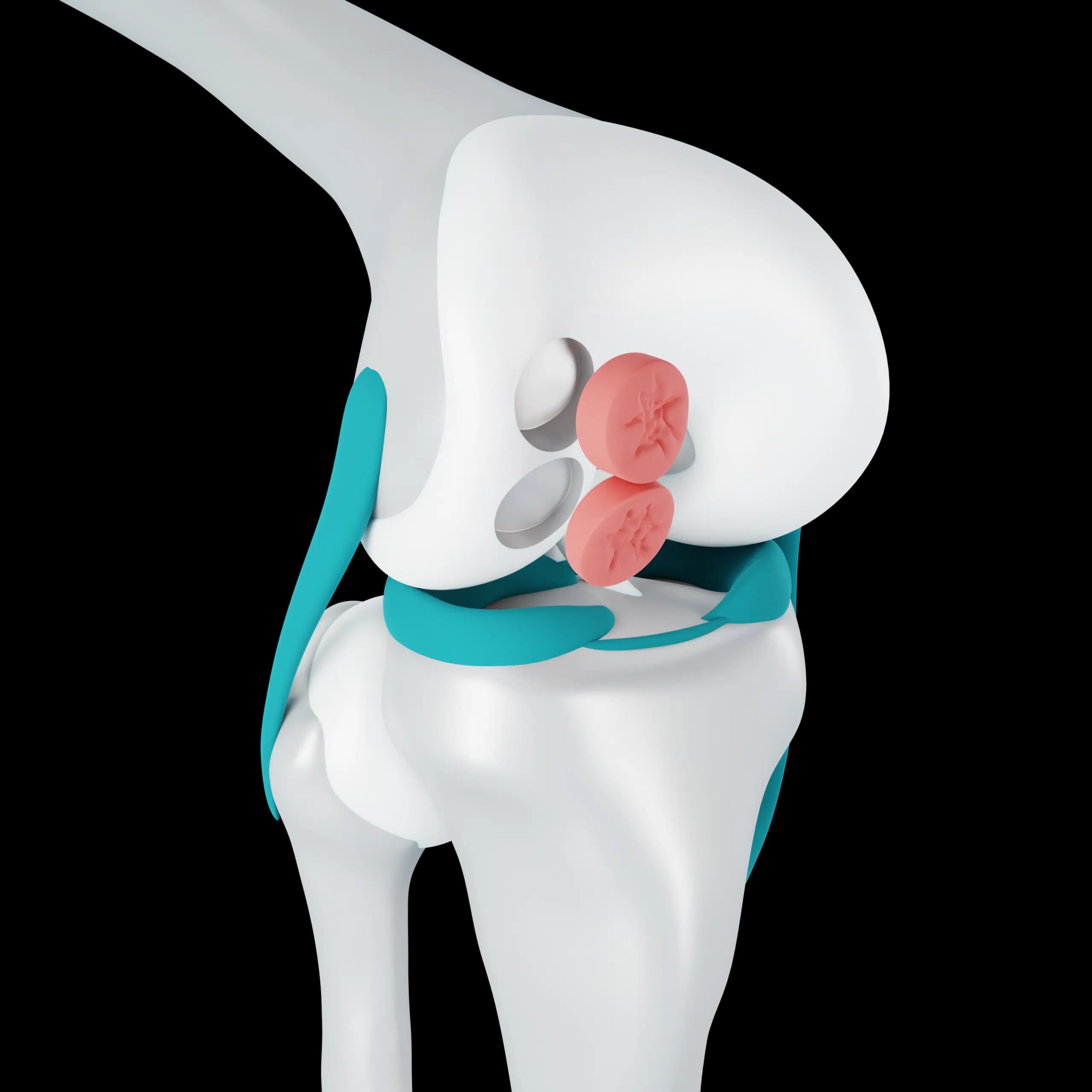
Almost every dislocation stretches or tears the medial patellofemoral ligament, the main restraint holding the kneecap in place. Some also knock off a piece of cartilage or bone. These fragments can cause locking and swelling and sometimes need fixing early. A knee that swells significantly after the episode should be assessed, and an MRI is often advised.
Myth: teenagers grow out of it
Young people have the highest chance of further dislocations, especially when the groove is shallow or the growth plates are still open. Strength and control improve with rehabilitation, but the underlying shape does not change with age alone. Growing older does not reliably stop recurrence.
Myth: it is just a sprain and will heal with rest
Rest helps the initial pain, but a structured programme to regain thigh and hip strength, movement control and confidence is what reduces the chance of recurrence. At Aman Hospital in Doha, Dr. Gelber assesses the knee after a dislocation, checks imaging for loose fragments and risk factors, and plans either rehabilitation or, when needed, surgery.
Frequently asked questions
Should I wear a brace straight away?
A brace is often used for comfort in the first weeks, but you should be examined first to rule out a fragment.
Is ice useful?
Yes. Ice, elevation and simple pain relief help in the first days while you arrange an assessment.
Related
 ConditionsKneecap Dislocation and Patellar Instability in Doha
- Patient questionMy kneecap dislocated and is still out of place. What should I do?
- Patient questionDo I need an MRI after my kneecap dislocated, if the X-ray was normal?
 ConditionsLoose Bodies in the Knee: When Something Moves Inside the Joint