Patient question
My teenager has pain on the inside of the knee. What could it be?
 Dr. Pablo GelberOrthopaedic Knee Surgeon

Quick answer
In active teenagers, pain on the inner side of the knee is often a medial plica, an MCL strain or overload, but a meniscus tear, osteochondritis dissecans or a hip problem felt in the knee must not be missed, especially with a limp. An examination sorts this out, explains Dr. Pablo Gelber, knee surgeon at Aman Hospital, Doha.
Common causes in young athletes
- Medial plica syndrome: a painful band on the inner side of the kneecap, worse with repeated bending, cycling or stairs
- MCL strain: after a tackle or a knee pushed inward in football or basketball
- Medial meniscus tear: after a twist, with joint-line pain and sometimes catching or swelling
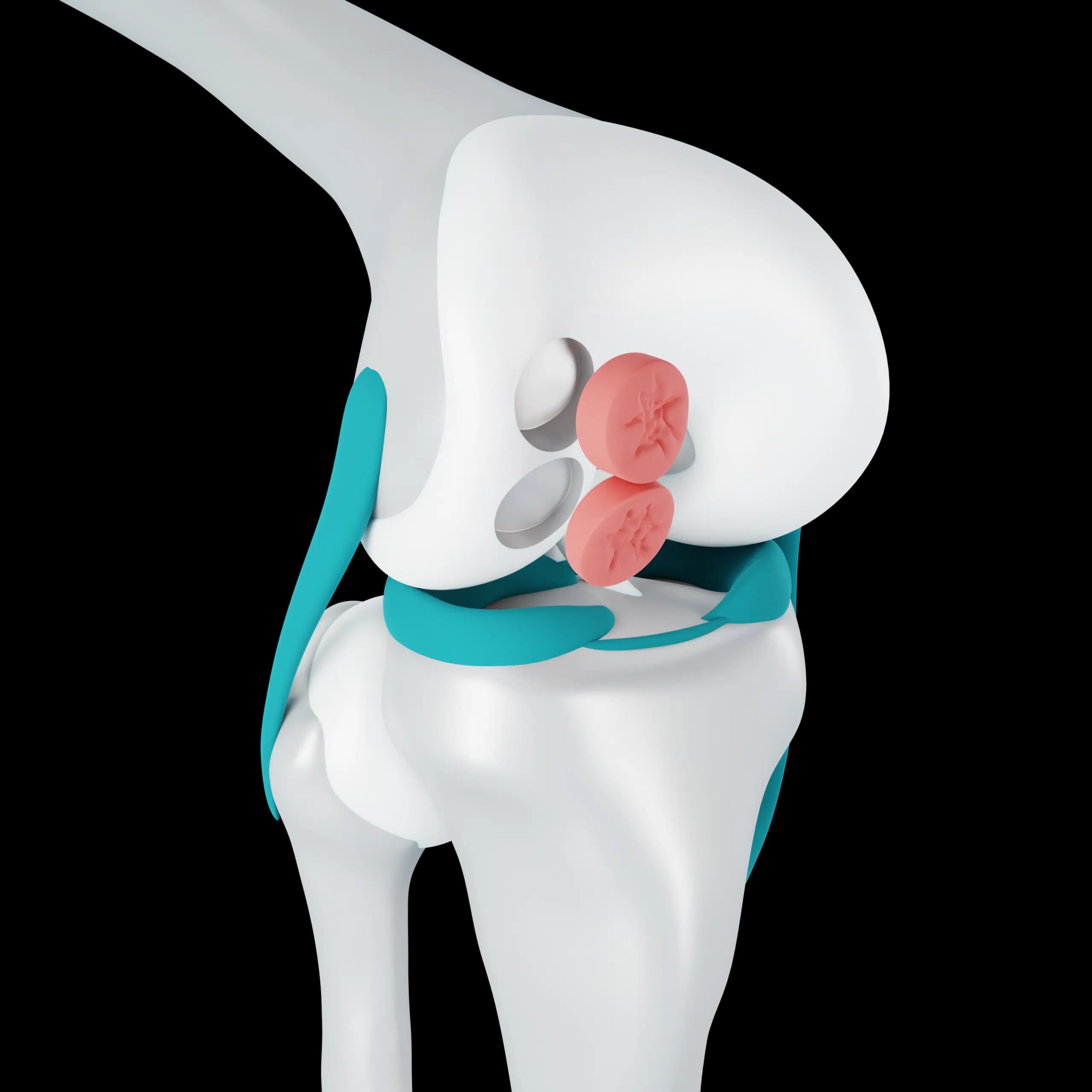
- Osteochondritis dissecans: a problem in the bone under the cartilage, classically on the inner femoral condyle, with activity-related ache, swelling and sometimes catching
- Patellofemoral pain spreading to the inner side of the kneecap, very common in teenage girls
The hip can hide behind knee pain
In children and teenagers, a problem in the hip often causes pain felt only in the thigh or inner knee. The most important example is slipped capital femoral epiphysis, where the growth plate at the top of the thigh bone slips, typically between about 10 and 16 years and more often in heavier children.
A teenager with knee pain who limps, walks with the foot turned out, or has a stiff or painful hip needs a hip examination and X-rays promptly. This is one of the main reasons knee pain in a child should not be dismissed as growing pains.
What parents can do now
Reduce the sports that clearly trigger pain for two to three weeks while keeping your child active with comfortable exercise such as swimming. Ice after activity can help. Avoid starting new intensive training camps or extra sessions until it settles.
Keep a short note of when the pain happens, whether there is swelling, any catching or locking, any limp, and whether it ever hurts at night. That information is very useful at an appointment.
When to see a specialist in Doha
Seek urgent care for a hot, swollen knee, fever, inability to bear weight, or a new limp with hip or thigh pain. Book an assessment if pain lasts more than three or four weeks, if the knee swells, catches or locks, or if it hurts at night.
At Aman Hospital in Doha, Dr. Gelber examines both the knee and the hip. X-rays are often the first step in a growing child, and an MRI is used when OCD or a meniscus tear is suspected. Most of these problems are treated without surgery when caught early.
Frequently asked questions
Should my child stop sport completely?
Usually not, unless a stress injury, OCD or tear is found. Modifying training while the cause is identified is generally enough.
Can children tear a meniscus?
Yes, particularly active teenagers. A discoid meniscus, a differently shaped meniscus present from birth, usually affects the outer side and can also cause clicking and pain in children.
Related