Patient question
My knee jams at different angles, then frees itself. Is that a loose body?
 Dr. Pablo GelberOrthopaedic Knee Surgeon
Quick answer
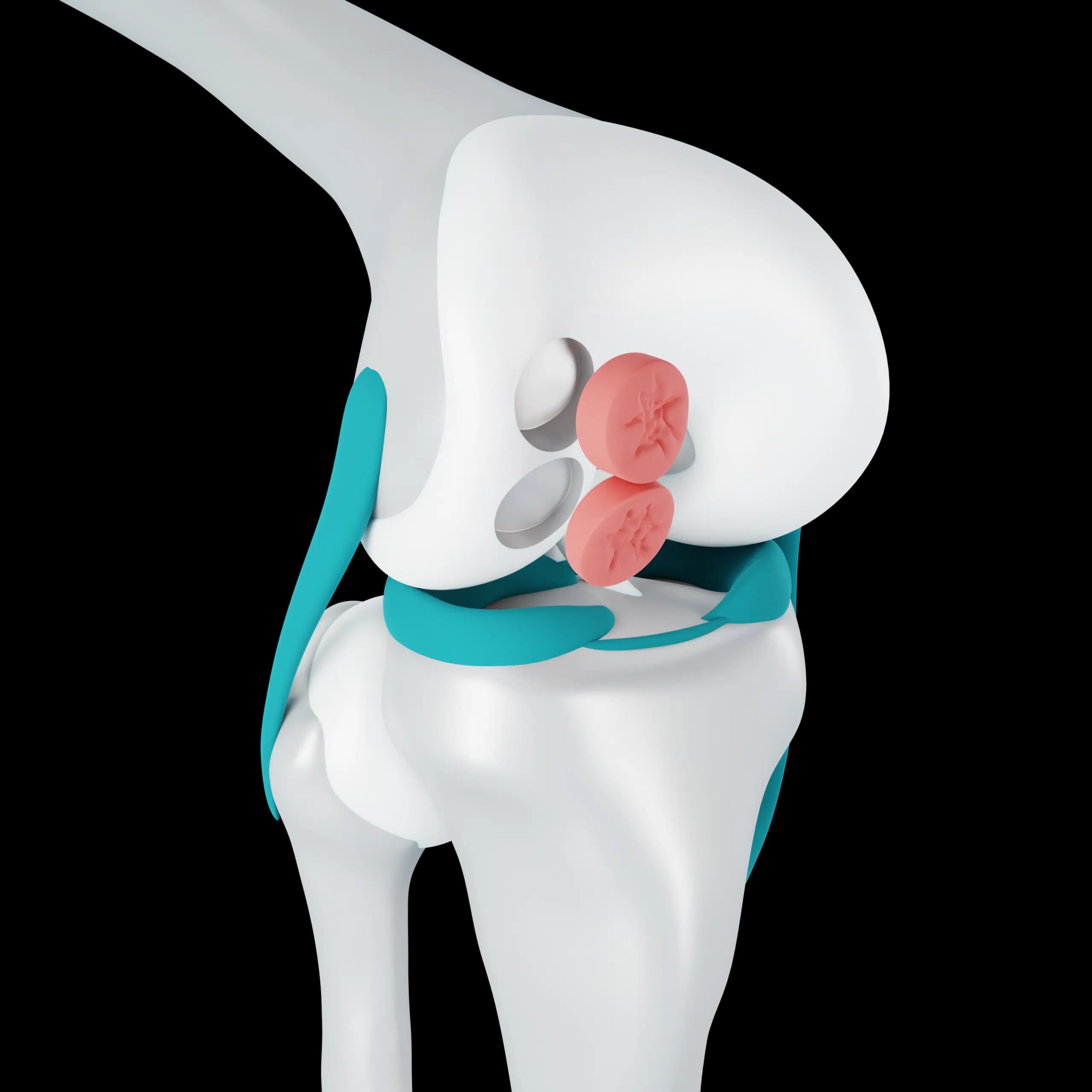
Locking that strikes at unpredictable moments and at different angles, often with a sharp pain and then a sudden release, is typical of a loose body getting caught between the joint surfaces. A torn meniscus tends to catch in the same position, explains Dr. Pablo Gelber, knee surgeon at Aman Hospital in Doha, Qatar.
Why a loose body causes this pattern
Because the fragment floats, it can drift into a different part of the joint each time. When it slips between the thigh bone and shin bone or behind the kneecap, the knee suddenly jams, often with a sharp, startling pain. A shake, wiggle or change of position lets it move away and the knee frees.
Between episodes the knee may feel completely normal, which is why some people put up with it for months.
How it compares with other causes
- Meniscus tear: catching usually happens in a similar position, often with pain on one side and with twisting
- Bucket-handle meniscus tear: the knee often stays blocked from straightening until treated
- Kneecap problems: a feeling of slipping or giving way rather than a true jam
- Pseudo-locking: the knee feels stuck because of pain or swelling, but nothing is physically blocking it
What to do during an episode
Stop, take the weight off the leg and gently bend and straighten the knee. Do not force it or let someone pull on it. Once it frees, rest it for the day and use ice if it swells.
If the knee stays locked and you cannot straighten it, or it swells quickly after the episode, get seen promptly rather than waiting for a routine appointment.
Assessment at Aman Hospital
Repeated jamming deserves an assessment, as each episode can scrape the cartilage. In Doha, Dr. Gelber takes a careful history of when and how the knee locks, examines it and arranges X-rays and an MRI. If a loose body is confirmed and causing symptoms, removal by knee arthroscopy is the usual treatment.
Frequently asked questions
Why does it not happen every day?
The fragment only causes trouble when it moves into a position where it can be caught. It may sit harmlessly in a pocket of the joint for days or weeks.
Will an X-ray always show it?
Only if it contains bone. Purely cartilage fragments need an MRI, and very small ones can still be missed.
Related
