Patient question
My child's knee keeps locking and clicking. Should I worry?
 Dr. Pablo GelberOrthopaedic Knee Surgeon

Quick answer
Painless clicking is common in children, but a knee that repeatedly locks, clunks loudly or swells is not normal. In younger children a discoid meniscus is a typical cause; in teenagers, osteochondritis dissecans or a sports meniscus tear. These deserve a specialist examination, advises Doha knee surgeon Dr. Pablo Gelber at Aman Hospital in Qatar.
Clicking that is usually harmless
Many children's knees click or crack when they squat or stand, without pain, swelling or limping. Growing joints and soft tissues often make noise. If your child is otherwise happy, running and playing normally, this usually needs no treatment.
Signs that need a specialist
- The knee gets stuck and your child cannot straighten it, or has to shake it free
- A loud clunk with bending and straightening, sometimes visible
- Swelling, limping or avoiding sport
- Pain at night, or pain that persists after rest
- A knee that will not fully straighten or bend compared with the other side
Seek urgent care if the child has fever with a hot, swollen knee, cannot bear weight, or the knee is locked and will not move.
Common causes by age
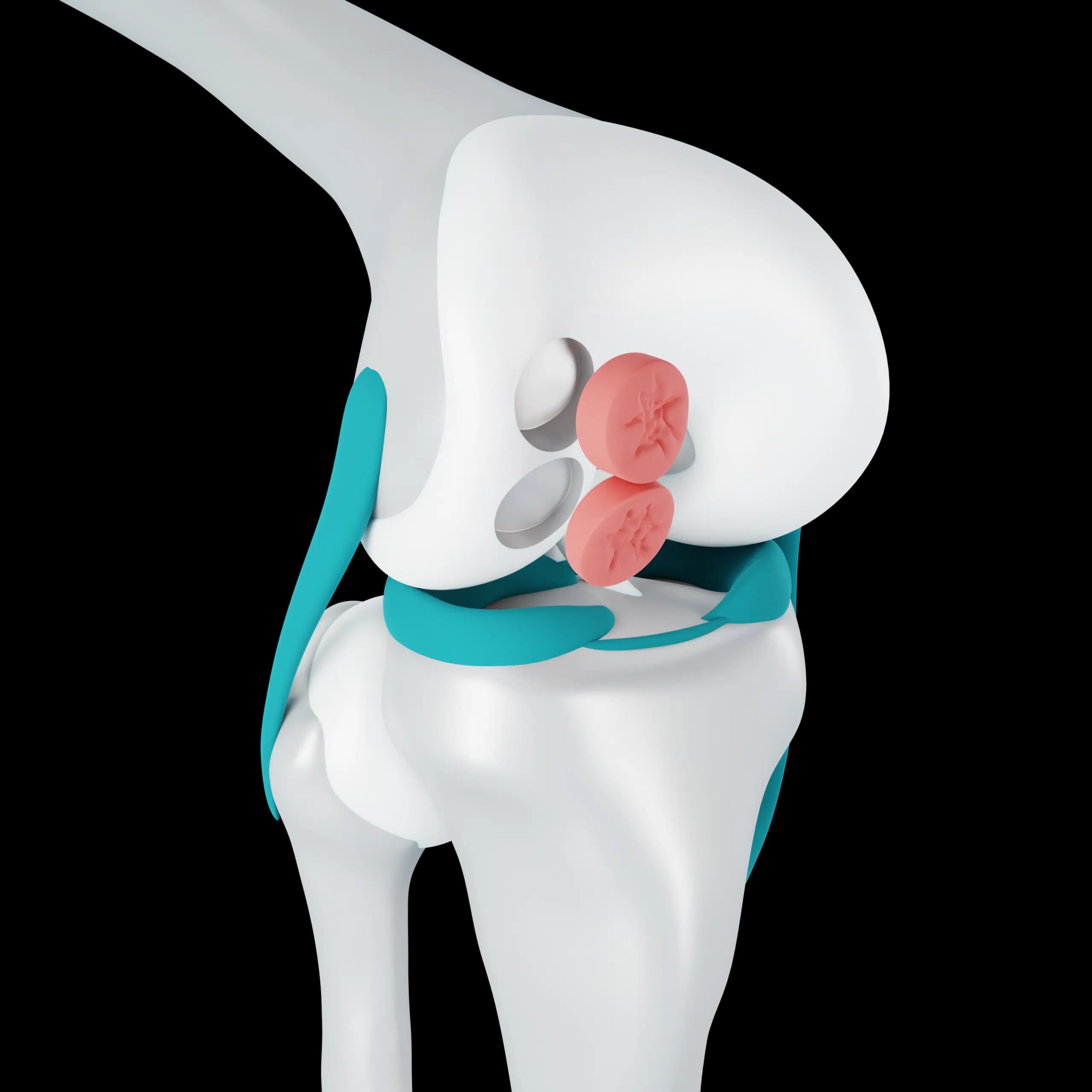
Discoid meniscus: the meniscus, normally C-shaped, is a thicker disc shape from birth, most often on the outer side. It is more prone to tearing and can cause snapping, clunking and locking, often noticed from early school age onwards.
Osteochondritis dissecans: a patch of bone under the cartilage loses its blood supply and can loosen, mainly in active children and teenagers. It causes an ache after sport, swelling and, if a fragment separates, catching or locking.
In teenage athletes, meniscus tears and kneecap instability also become more common, especially in football, basketball and padel.
What a consultation in Doha involves
At Aman Hospital, Dr. Gelber takes a history from you and your child, examines both knees and checks hips and walking pattern. X-rays can show osteochondritis dissecans; an MRI shows a discoid meniscus, cartilage and tears in detail. Many children improve with rest from impact sport and a physiotherapy programme. A discoid meniscus that locks, or an unstable cartilage fragment, may need keyhole surgery, which in children aims to preserve and reshape the meniscus or fix the fragment rather than remove tissue.
Frequently asked questions
Will my child grow out of a discoid meniscus?
The shape does not change, but many children with a discoid meniscus never have symptoms. Treatment is needed only when it tears, locks or causes ongoing problems.
Should my child stop football?
If the knee locks, swells or hurts, pause impact sport until it has been assessed. Many children return to sport after the right treatment.
Related