Patient question
My child's knee is stiff and won't straighten. What could cause it?
 Dr. Pablo GelberOrthopaedic Knee Surgeon

Quick answer
In children and teenagers, a stiff knee that will not fully straighten can come from a discoid meniscus, a loose cartilage fragment from osteochondritis dissecans, a meniscus tear, or childhood arthritis. It should be examined rather than waited out, advises Dr. Pablo Gelber, knee surgeon at Aman Hospital in Doha, Qatar.
Why children's stiffness needs attention
Children's joints are usually very flexible, so a knee that stays stiff or bent is unusual and is a sign that something is blocking or inflaming the joint. Children also adapt quickly by limping or avoiding activity without complaining much, so parents often notice the change before the child mentions pain.
Compare both legs when your child lies flat or stands: a knee that stays slightly bent, looks puffy, or a thigh that looks thinner on one side are useful observations.
Possible causes
- Discoid meniscus: an unusually shaped, thicker meniscus, usually on the outer side, which can snap, clunk or block straightening
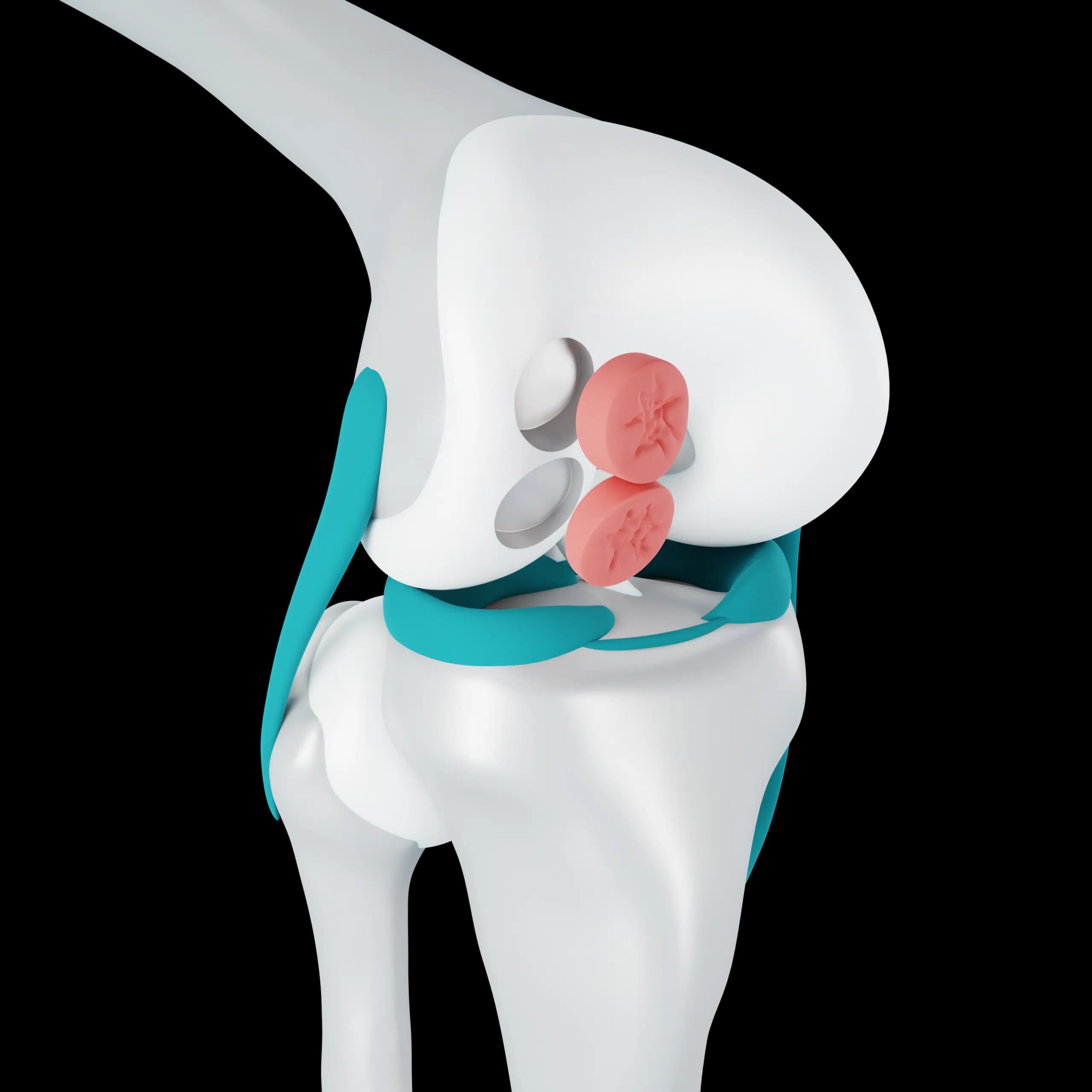
- Osteochondritis dissecans: an area of bone and cartilage that loosens, sometimes forming a loose fragment, common in active children and teenagers
- A meniscus or ligament injury from football, basketball or other sport
- Juvenile idiopathic arthritis: a swollen, stiff knee, often worse in the morning, sometimes without much pain
- Infection of the joint or bone, with fever and a child who will not use the leg
- Rarely, a growth around the knee
Red flags: seek care the same day
- Fever, or a child who seems unwell
- A hot, red, swollen knee
- Refusal to walk or put weight on the leg
- Pain that wakes the child at night, or weight loss
Go to an emergency department in these cases.
What happens at an assessment in Doha
At Aman Hospital, Dr. Gelber takes a history from the parent and child, examines both knees, checks the hips, which can refer pain to the knee, and looks at range of motion and stability. X-rays are often the first test, and an MRI is used for a suspected discoid meniscus, osteochondritis dissecans or meniscus tear. Blood tests and a rheumatology opinion are arranged if arthritis is suspected.
Many causes respond to activity changes and physiotherapy. A meniscus or loose fragment that blocks the knee may need keyhole surgery, with techniques that protect the growing joint.
Frequently asked questions
My child's knee clunks but does not hurt. Is that a problem?
A painless clunk in a young child can be a discoid meniscus. It is worth an examination, especially if the knee does not straighten fully or starts to hurt.
Should my child stop sport?
Until the cause is known, it is sensible to pause high-impact and twisting sport. Your surgeon will advise when and how to return.
Can knee pain in a child actually come from the hip?
Yes. Hip conditions can cause pain felt in the knee, so the hip should always be examined in a child with knee symptoms.
Related