Patient question
My child's knee clunks when they straighten it. Should I worry?
 Dr. Pablo GelberOrthopaedic Knee Surgeon

Quick answer
Soft, painless clicks are common in growing knees, but a loud, repeated clunk on the outer side as a child straightens the leg can be a discoid meniscus, an unusually shaped cartilage cushion. It deserves an examination, especially with pain or loss of full straightening, says Dr. Pablo Gelber, knee surgeon at Aman Hospital in Doha.
Normal noise and the clunk that is not
Children's joints are flexible and often click, and that alone needs nothing. The sound that deserves attention is a clear, sometimes visible clunk, usually on the outer side, that happens at the same point each time the knee straightens. Parents sometimes say the knee seems to jump.
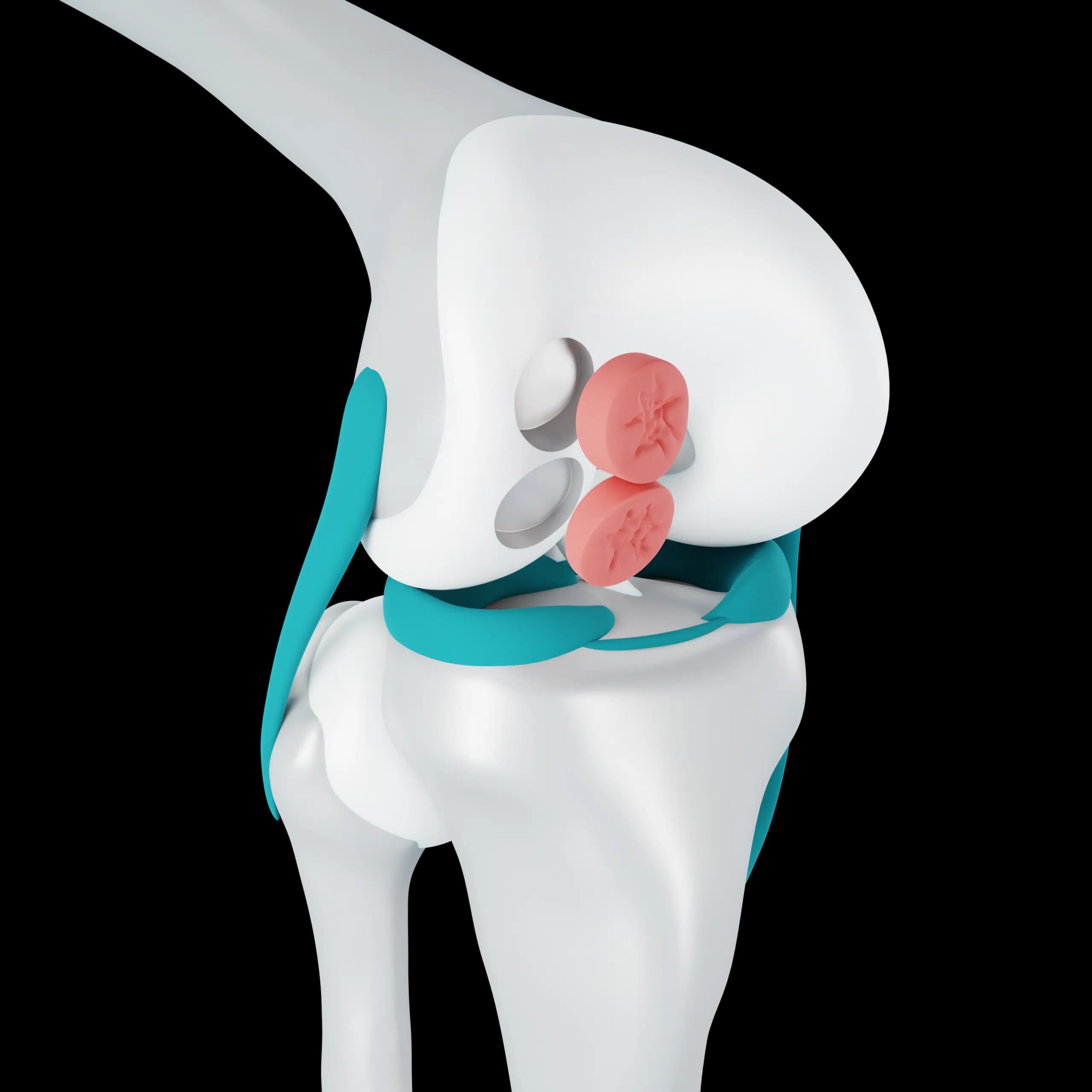
The most common reason is a discoid meniscus. Instead of the usual crescent shape, the outer meniscus is a thicker disc and may be loosely attached, so it shifts as the knee moves. Many children with a discoid meniscus have no symptoms; others develop pain or tears.
Other causes in children and teenagers
- Osteochondritis dissecans: a loosening area of bone and cartilage, with aching and sometimes catching, often in active children
- Kneecap instability: clicks or clunks with the kneecap slipping, often in teenage girls and hypermobile children
- Plica irritation: snapping at the inner front of the knee in active teenagers
- Painless clicking from joint flexibility, which needs no treatment
What parents can do now
Note when the clunk happens, which side, and whether there is pain, limping, swelling or a knee that will not fully straighten. A short phone video of the movement can help the doctor. If it is painless and your child plays normally, there is no need to stop activity while you arrange a routine review.
If it hurts, pause running and jumping sports such as football and basketball, and let your child stay active with gentler play until the knee is assessed.
When to see a knee surgeon
Book an assessment for a repeated clunk, knee pain, limping, swelling or the knee not straightening fully. Seek prompt care if the knee locks. At Aman Hospital in Doha, Dr. Gelber examines the knee gently, and an MRI is the scan that shows a discoid meniscus or cartilage problem. Children without symptoms are usually observed. Those with persistent pain or a tear may need keyhole surgery to reshape and, where needed, stabilise the meniscus.
Frequently asked questions
Will my child grow out of a discoid meniscus?
The shape does not change with growth, but many children never have problems with it. Treatment depends on symptoms, not on the shape alone.
Can my child keep playing sport?
If the knee is painless and moves fully, usually yes. Pain, swelling or locking are reasons to pause and have it examined.
Related