Patient question
My child has pain and clicking on the outside of the knee. What could it be?
 Dr. Pablo GelberOrthopaedic Knee Surgeon

Quick answer
In children, outer knee pain with clicking or a clunk, or a knee that will not fully straighten, raises the possibility of a discoid lateral meniscus, an unusually shaped meniscus that some children are born with. Sports strains are more common, and hip problems can also show up as knee pain, explains Dr. Pablo Gelber, knee surgeon at Aman Hospital in Doha.
Causes parents should know about
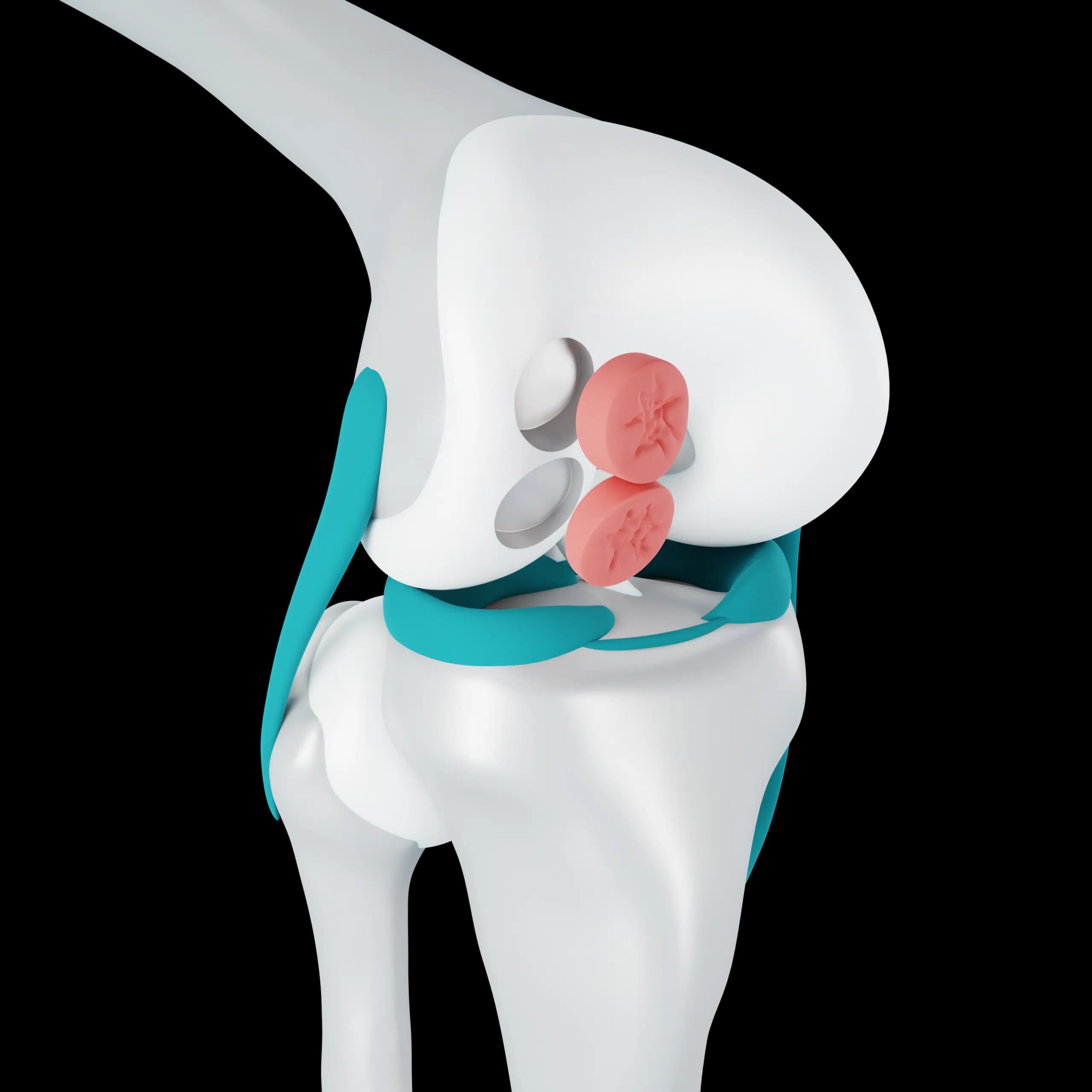
A discoid meniscus is thicker and more disc-like than a normal meniscus, almost always on the outer side. Many never cause trouble, but some tear or move abnormally, leading to a loud clunk, clicking, outer knee pain, swelling or a knee that cannot straighten fully. It may appear in young children or not until the teenage years.
Other causes include overuse strains in active children, a sprain from football or basketball, Osgood–Schlatter disease at the front of the shin bone, and osteochondritis dissecans, a problem with the bone under the cartilage. Importantly, hip conditions in children and teenagers can present only as knee pain, so a limp with knee pain always deserves a hip check too.
What to do at home
- Rest from sport for a week or two if the knee is sore
- Use ice after activity and simple painkillers at the correct children's dose
- Watch for limping, swelling and whether the knee straightens fully
- Do not force the knee straight if it is stuck
When to see a doctor quickly
Seek urgent care for a child who has a fever with a painful, swollen knee, cannot bear weight, or has severe pain after a fall. Book a prompt orthopaedic review if the knee locks, will not straighten, swells repeatedly, clunks with pain, or if your child is limping or complaining of thigh or groin pain as well.
Assessment in Doha
Dr. Gelber examines the knee and hip, watches your child walk and assesses range of motion. X-rays may be taken, and an MRI is the usual test when a discoid meniscus or cartilage problem is suspected. A discoid meniscus that causes no symptoms is usually left alone. When it causes locking or pain, arthroscopic surgery can reshape it and repair any instability, aiming to keep as much healthy meniscus as possible.
Frequently asked questions
Is a discoid meniscus caused by sport?
No. It is a developmental variation present from birth. Sport may reveal it, but does not cause it.
Can my child still play sport?
Many children return to full sport once symptoms are treated. The plan depends on the examination and imaging.
Related